Artemis 2: Charting Humanity's Next Step Back to the Moon
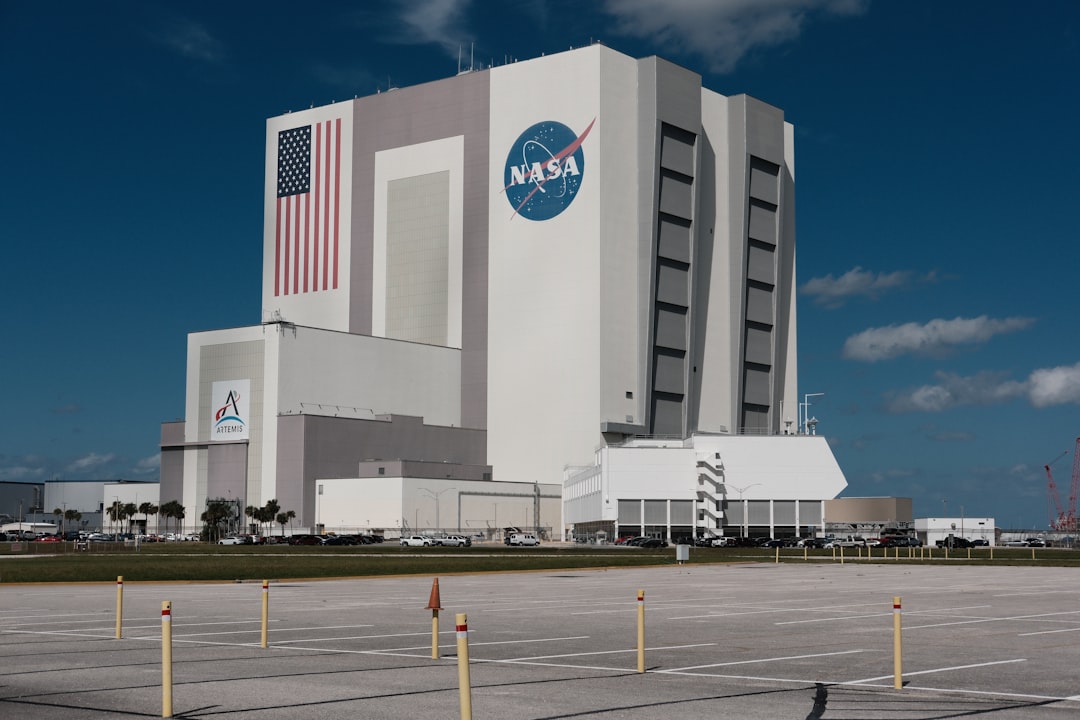
NASA's Artemis 2 mission marks a pivotal moment in human space exploration, featuring a diverse crew poised to journey around the Moon as a precursor to landing on its surface.
NASA’s Artemis 2 mission is gearing up to send humans around the Moon for the first time in over five decades, serving as a prelude to humanity’s long-term return to the lunar surface. As part of the Artemis program, this mission represents the next significant leap in human spaceflight, cementing broader goals of sustainable lunar exploration and future crewed missions to Mars.
This phase of the Artemis program will not land astronauts on the Moon, but it is vital in testing the capabilities of the Space Launch System (SLS) and Orion spacecraft for future operational missions. More crucially, it demonstrates the collaborative spirit of teams of engineers, scientists, trainers, and astronauts working around the world, enabling what Reid Wiseman, commander of the Artemis 2 crew, refers to as the "ultimate team sport"—human space exploration.
A Historic Flag and an Ambitious Mission
In the lead-up to Artemis 2, one poignant detail symbolizes humanity’s enduring passion for exploration. A U.S. flag that originally flew on the first space shuttle mission (STS-1) in 1981 will accompany the Artemis 2 crew. This very flag was also carried on STS-135, the Space Shuttle program’s final mission, and later returned from its orbital perch aboard the International Space Station during SpaceX’s Demo-2 mission. NASA Flight Director Norm Knight remarked on the flag’s remarkable journey, envisioning it traveling once again beyond low Earth orbit. “Let’s take it to the Moon," he said, capturing the program’s bold vision of returning to the lunar environment.
Artemis 2 signifies a return to a realm last visited during the Apollo program, solidifying NASA’s commitment to scientific discovery and innovation. Once in orbit around the Moon, the four-person crew aboard the Orion spacecraft will represent all of humanity, embarking on an eight-day mission to chart new possibilities for the future of space exploration.
The Artemis 2 Crew: Humanity Embodied
The Artemis 2 mission will be flown by an exceptionally diverse and highly competent crew, including astronauts Reid Wiseman, Victor Glover, Christina Koch, and Canadian Space Agency astronaut Jeremy Hansen. These individuals represent not only years of technical expertise but also deeply personal connections to the mission’s goals.
Commander Reid Wiseman
Reid Wiseman’s journey to this historic mission began in childhood, when a fascination with aircraft and space exploration was sparked by seeing a 747 carrying a space shuttle fly overhead. A former Navy pilot and experienced astronaut with 165 days logged in space, Wiseman emphasizes the human element of the mission. “The heart of Artemis 2 are the individuals on board that Orion capsule,” Wiseman reflected, focusing on how their experiences will push humanity's broader goals further into the stars.
As the former chief astronaut at NASA, Wiseman is known for his strategic vision and empowering leadership style. His ability to instill confidence among his team while keeping an eye on the bigger picture underscores his readiness for this high-stakes test flight.
Pilot Victor Glover
Victor Glover, a U.S. Navy aviator and test pilot, brings an unmatched depth of technical skill and philosophical insight to the mission. Known for his sharp intellect and collaborative spirit, Glover has a unique ability to reflect on the operational aspects of a mission while fostering a cohesive team dynamic.
Victor grew up in a socio-economically disadvantaged community in Southern California but credits his parents for providing unwavering support. His decision to join the Navy and subsequent rise to prominence as a test pilot set him on the path to becoming an astronaut. “My dad made a suggestion that changed the arc of my life,” Glover noted, recalling the moment he decided to pursue the rigorous challenge of space exploration.
His remarkable journey to this role emphasizes perseverance, excellence, and the role mentors play in shaping careers. Glover holds a place in history as part of NASA’s commitment to diversity in exploration efforts.
Mission Specialist Christina Koch
Holding the record for the longest single spaceflight by a woman, Christina Koch exemplifies the spirit of exploration. Her scientific expertise is matched by her curiosity, honed through a childhood spent exploring the woods and gazing at the stars. Koch’s background in electrical engineering and physics prepared her for roles that stress precision, making her an indispensable part of the Artemis 2 crew.
For Koch, representation matters. She has continually emphasized the importance of showing young girls that they, too, can achieve their dreams. Her role on Artemis 2 is not just about advancing science; it’s about inspiring the next generation of explorers.
Mission Specialist Jeremy Hansen
Representing the Canadian Space Agency, Jeremy Hansen is a former Royal Canadian Air Force fighter pilot stepping into space for the first time. Although a "rookie" by definition, Hansen’s extensive training and composed leadership style have earned him a reputation for being calm under pressure, with his dry sense of humor often bringing levity to difficult situations.
Growing up on a farm in Ontario, Hansen transformed his childhood fascination with exploration—rooted in treehouses-turned-spaceships and encyclopedias featuring the Apollo missions—into a career in aerospace. His inclusion on Artemis 2 marks a historic step for Canada, cementing the nation’s role in advancing international space exploration.
Preparing for the Journey
A test flight like Artemis 2 isn’t just about hardware and technology; it’s about integrating people into the system. The crew has undergone rigorous training to become familiar with the Orion spacecraft and the SLS rocket while adapting the procedures developed for Apollo-era missions to 21st-century advancements.
Norm Knight, director of flight operations at NASA, stressed the importance of Artemis 2 as a foundational mission. Every detail, from simulating lunar orbit to perfecting life-support protocols, must work seamlessly to pave the way for Artemis 3 and the eventual lunar landing. “Test flights aren’t just a formality,” he explained. “They are how we ensure every element is ready for operational missions.”
The Bigger Picture: Why Artemis Matters
Artemis 2 is more than a mission. It’s a message—to the scientists, engineers, policymakers, and dreamers of tomorrow—that humanity’s quest for exploration knows no bounds. By carrying out this mission, NASA and its international partners are setting the stage for long-term lunar exploration and eventually extending human presence to Mars.
The Artemis program stands as a testament to global collaboration and shared ambition. As Wiseman noted, "If you want to go far, go together." With Artemis 2, humanity is not just venturing to the Moon; it is taking a step closer to defining its place among the stars.
Staff Writer
Daniel reports on biology, climate science, and medical research.
Comments
Loading comments…


