NASA returns to the moon after 53 years
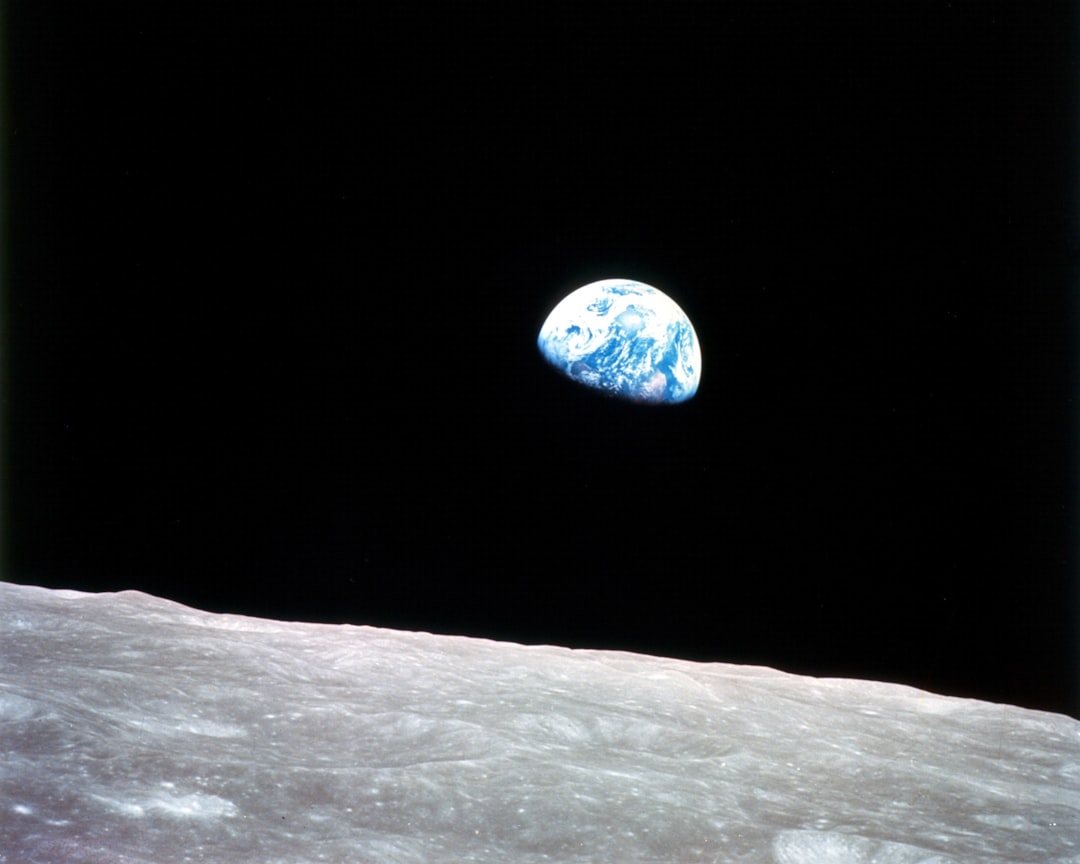
NASA has resumed efforts to explore the moon, 53 years after Apollo 17's 1972 mission left humanity’s last footprint on the lunar surface.
In December 1972, astronaut Gene Cernan became the last person to walk on the moon during NASA's Apollo 17 mission. That mission marked the end of a remarkable era of lunar exploration, with 12 astronauts setting foot on the moon between 1969 and 1972 as part of the United States' Apollo program. For over five decades since, no human has returned to the lunar surface.
Now, 53 years later, NASA has reignited its commitment to the moon. This development marks a significant shift in priorities for the organization, which has primarily focused its human flight efforts on space shuttle missions, the International Space Station (ISS), and robotic exploration of Mars and beyond since Apollo 17.
While details about this renewed lunar mission remain sparse, NASA's dedication to lunar exploration signals a broader vision of venturing beyond Earth's orbit, including ambitions to establish a sustainable presence on the moon and use it as a stepping stone for future crewed missions to Mars. Efforts like NASA's Artemis program, which was first announced several years ago, have played a pivotal role in laying the groundwork for a return to the moon.
The symbolic significance of this return cannot be overstated. Following decades of technological advancements and evolving international partnerships, the move demonstrates NASA's determination to once again place humans on the lunar surface. It also underlines the growing interest in the moon as both a site for exploration and a potential platform for scientific discovery and resource utilization.
Whether this mission focuses solely on crewed exploration, scientific experiments, or testing technologies for future interplanetary travel, it marks the closing of a half-century-long chapter of absence and the opening of a new frontier. As NASA sets its sights firmly back on the moon, humanity seems poised to take another giant leap forward in space exploration.
Staff Writer
Emily covers space exploration, physics, and scientific research. Holds a degree in astrophysics.
Comments
Loading comments…


