Artemis II astronauts return to Houston after historic mission around the moon
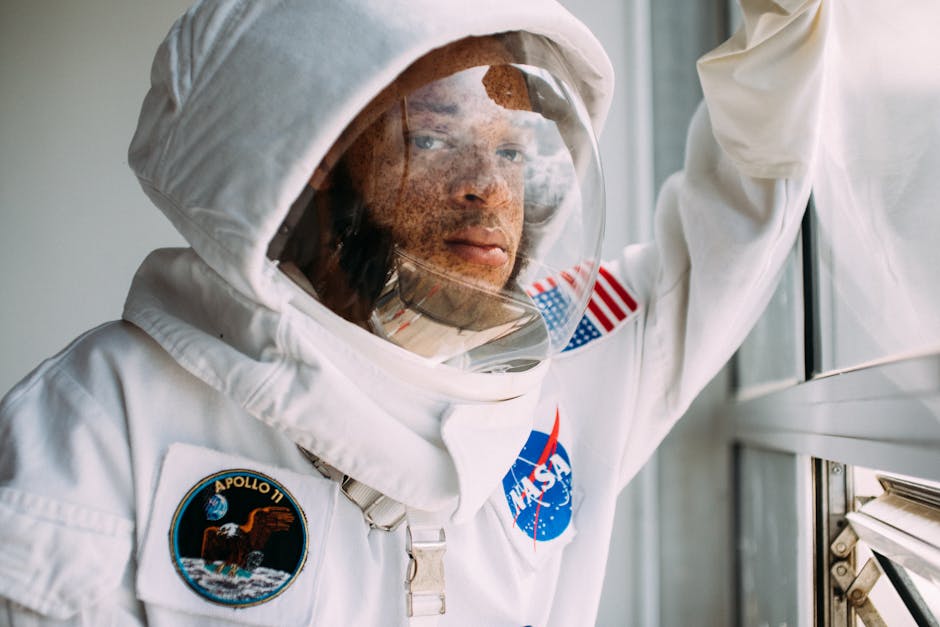
NASA's Artemis II crew safely returned to Houston following a 10-day mission that sent the first humans around the moon in over half a century.
NASA welcomed its Artemis II astronauts back home to Houston, Texas, after their groundbreaking 10-day mission around the moon. This marks a pivotal moment in human space exploration as the mission sent the first crewed spacecraft beyond Earth’s orbit in over 50 years. The event at Ellington Field celebrated the crew’s safe return, their families, and the thousands of team members who contributed to the mission’s success.
The Achievement of Artemis II
The Artemis II mission, part of NASA’s broader Artemis program, is a critical stepping stone for America’s renewed ambitions in deep space. The four-person crew aboard the Orion spacecraft, named Integrity, ventured farther into space than any humans have before. Their journey took them 680,000 miles, including a flyby around the far side of the moon. This mission is designed to test Earth orbit operations, Orion’s life-support systems, and the translunar injection burn process, all essential for preparing for future long-term lunar missions and eventual journeys to Mars.
The Artemis program seeks not only to revisit the moon but to establish a sustainable human presence. Artemis II is the precursor to Artemis III, which aims to land the next humans on the lunar surface, including the first woman and the first person of color. The mission also signifies the dawn of what NASA administrators have called "a golden age of exploration," leveraging international partnerships and innovative technologies.
What the Artemis II Crew Experienced
Commander Reid Wiseman, pilot Victor Glover, and mission specialists Christina Koch and Jeremy Hansen have become part of history for their daring journey. During the mission, the crew manually piloted the Orion spacecraft, conducted critical system demonstrations, and served as human test subjects for life-support systems.
The astronauts shared reflections on their unique vantage point of Earth, noting the profound perspective of seeing the planet as a "lifeboat" in the vastness of space. Christina Koch described Earth as suspended, alone in an unfathomable void, underscoring our planet's fragile beauty and our shared humanity.
Wiseman summed up the emotional toll of the journey by describing their profound gratitude for returning to Earth and reuniting with loved ones. "This was not easy being 200,000-plus miles away from home," he remarked during the welcoming event. Jeremy Hansen, the mission’s Canadian astronaut, reflected on the collaborative spirit of the effort: "We were trained, supported, and prepared in a way that is almost unbelievable."
The broader impact of the Artemis II mission was evident in how millions worldwide followed it, cheering every milestone and marveling at the crew’s achievements. The crew's reflections about human unity resonated globally, inspiring a new generation to dare to dream big, from students to emerging scientists and engineers.
Why This Mission Matters
Beyond the human experiences, Artemis II demonstrated critical capabilities to advance future space exploration objectives. Key highlights include:
- Validation of the Space Launch System (SLS), NASA's most powerful rocket.
- Successful testing of Orion’s spaceflight systems under real mission conditions.
- Manually piloting the spacecraft, a requirement for inevitable contingency operations.
- Scientific observations and data collection vital for long-duration missions.
This successful mission lays the groundwork for Artemis III, which aims to land humans on the moon’s surface as early as 2025. The program also marks the beginning of sustained lunar exploration efforts, with the goal of constructing a lunar base and using it as a launching pad for the first human mission to Mars.
Collaborative Efforts in Space Exploration
Artemis II wasn’t just a success for NASA but a testament to international collaboration. Jeremy Hansen, the first non-American to journey around the moon, represented the Canadian Space Agency in a partnership that highlights how space exploration has become a global endeavor. The European Space Agency (ESA) and other international contributors play integral roles in the Artemis program.
During the welcoming ceremony, NASA Administrator Jared Isaacman acknowledged the collective effort and thanked U.S. and international leaders. "This is a partnership, and partnerships like this make incredible things possible," he said, emphasizing the critical role of teamwork in achieving monumental milestones.
Moving Forward: What to Expect After Artemis II
NASA has already begun preparations for Artemis III, where humans will once again step foot on the lunar surface. This mission aims to solidify a sustainable presence on the moon, enabling scientific research, resource extraction, and technology testing for deeper space missions.
Artemis II’s success also reinforces human exploration as a priority for NASA. The insights gained from this mission will influence the design of life-support systems, trajectory planning, and spaceflight operations for future trips to Mars. "Artemis II was the opening act," said Isaacman. "It was the moment we all saw the moon again and the moment the world started believing in the promise of space exploration once more."
Final Reflections
The Artemis II mission will be remembered as a pivotal chapter in the resurgence of human space exploration. It demonstrated technological prowess, international cooperation, and the indomitable human spirit. For the millions following from Earth, it rekindled a sense of awe and curiosity—a reminder of what humanity can achieve when united in a common purpose.
From NASA's perspective, Artemis II mission was more than a success; it was a touchstone that solidifies future ambitions. It closes a 53-year intermission in human space exploration with a resounding declaration: NASA is back and aiming higher than ever.
Staff Writer
Daniel reports on biology, climate science, and medical research.
Comments
Loading comments…


