Artemis Returns, Global Tensions Rise in Hormuz, and Pursuing Happiness in a Digital Age
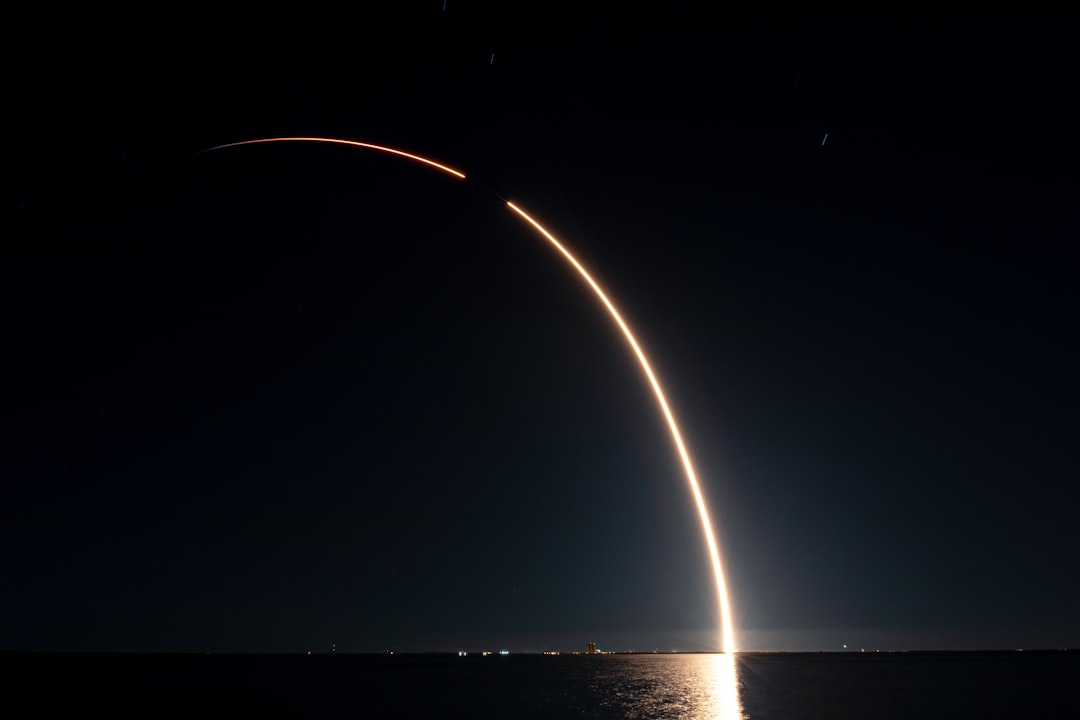
NASA’s Artemis crew splashes down, JD Vance leads high-stakes talks in Pakistan, and Arthur Brooks explores happiness amidst virtual distractions.
This weekend has been a whirlwind of milestones, diplomatic negotiations, and philosophical explorations. From NASA’s triumphant Artemis splashdown to the high-stakes diplomatic talks centered on Iran, to the science of happiness in a hyperconnected age, the world feels as dynamic as ever.
Artemis II Marks Human Achievement in Space
NASA’s Artemis II mission has officially ended, marking humanity’s return to the Moon after more than five decades. The 10-day mission broke records for the farthest human spaceflight as four astronauts—Commander Rees Weidman, Pilot Victor Glover, Mission Specialist Christina Koch, and Canadian astronaut Jeremy Hansen—ventured to the lunar vicinity.
The crew safely splash-landed off the coast of San Diego last night, where they were immediately flown to medical facilities via helicopter. All astronauts were reported to be in high spirits upon their return. The Artemis II team performed a variety of experiments and captured breathtaking moments, including witnessing an eclipse while positioned between their spacecraft and the Sun. According to Artemis program officials, this was a visual highlight of the mission.
"Watching our crew observe the eclipse was a unique experience that reminds us of the incredible potential of human exploration," one Artemis program leader stated.
This mission is just the beginning. NASA Administrator Bill Nelson emphasized the broader goal: "We’re back in the business of sending astronauts to the Moon, bringing them back safely, and setting the stage for Mars."
The next major milestone isn’t far off. NASA plans to land humans back on the Moon by 2028 as part of the Artemis program’s long-term mission to expand human presence beyond Earth. The ultimate goal is to pave the way for human settlement on Mars. Public excitement continues to grow, with President Trump commenting on social media, "Next stop, Mars!"
High-Stakes Negotiations in Pakistan
While NASA celebrated celestial triumphs, the focus on Earth was much graver. Vice President JD Vance arrived in Islamabad today for critical peace talks, joined by U.S. Special Envoy to the Middle East Steve Witkoff and informal diplomatic adviser Jared Kushner. The discussions aim to resolve the escalating conflict over the Strait of Hormuz, a critical global shipping route.
The stakes are enormous. Iran and the U.S. remain locked in a tense standoff after military clashes disrupted the flow of oil traffic through the Strait. Iran, having declared its unwillingness to compromise its control over the strait, has planted underwater mines, according to reports. While Iranian officials have cited technical limitations in removing the mines swiftly, global shipping remains at a near standstill. Arsenio Dominguez, Secretary-General of the International Maritime Organization, confirmed that around 1,500 vessels are currently trapped within the Persian Gulf, with only minimal transit in recent days.
During a press conference, Vice President Vance clarified the U.S. stance: “If the Iranians are willing to negotiate in good faith, we are willing to extend the open hand. But if they try to play us, they will find the negotiating team less than receptive.” President Trump reiterated this hardline approach, vowing to reopen the strait, “with or without them.” He also suggested that military actions could escalate if the talks fail.
Pakistan’s role as host is significant in this scenario. Bridging both Western and Iranian interests, Pakistan is one of few nations positioned as an acceptable mediator. With no American military bases within its borders, its neutrality has been a key factor in facilitating the meetings.
However, many challenges remain. Analysts have pointed out that even a nominal resolution may not restore full functionality to global shipping routes. Issues like mistrust, safety concerns, and Iran’s demands for toll collection on vessels might hinder the recovery of maritime movement in the region. Time will tell if these negotiations prove fruitful.
Happiness in a Simulated World
As the world looks forward to interplanetary exploration and struggles with geopolitical tensions, some are delving inward. Bestselling author and happiness expert Arthur Brooks was featured on "Bloomberg This Weekend" to discuss the science of happiness in an increasingly digital landscape.
Brooks emphasized that true fulfillment often remains elusive in a world saturated with virtual simulations. “You can simulate a lot these days—experiences, interactions, even emotions—but you cannot simulate human life,” Brooks reminded viewers.
His research highlights that genuine happiness stems from fundamental elements of human connectedness: meaningful relationships, a sense of purpose, and community engagement. For many, the pressure to perform or find joy within highly curated online environments distances them from these anchors of well-being. Brooks encouraged individuals to critically evaluate their time spent on digital platforms and reclaim experiences that root them in reality.
As society leans toward immersive technologies such as virtual reality and hyperpersonalized AI, Brooks’ advice couldn’t be timelier. His insights are a reminder that personal joy must often be intentionally cultivated against the tide of distraction.
What It All Means
This weekend’s juxtaposition of exploration, conflict, and introspection paints a vivid picture of global priorities. NASA’s Artemis II reflects the capacity for collaboration and ambition to achieve humanity’s fullest potential. On the other end of the spectrum, geopolitical challenges like those in the Strait of Hormuz remind us of the fragility of peace and economic interdependence. In between, experts like Brooks provide a grounding reminder that even as our ambitions expand outward, the quest for happiness remains a deeply personal endeavor.
As the Artemis program gears for a Moon landing and Mars exploration, the world finds itself managing conflict, complexity, and competing visions of progress. Whether gazing at celestial wonders or dissecting the intricacies of well-being, the human experience remains as layered as ever.
Staff Writer
Daniel reports on biology, climate science, and medical research.
Comments
Loading comments…


