Cat Camacho: Advancing Neuroscience for Early Childhood Mental Health
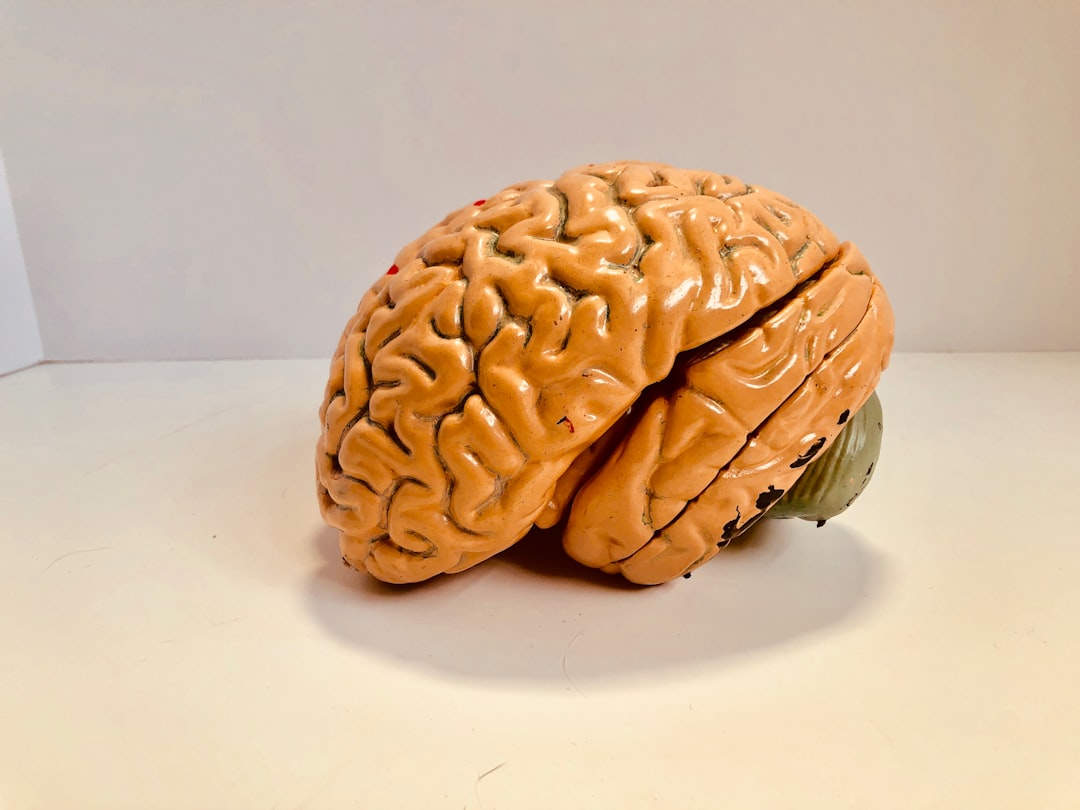
Neuroscientist Cat Camacho uses cutting-edge imaging methods to study brain development in children under 8, aiming to improve mental health interventions.
Neuroscientist Cat Camacho has dedicated her career to understanding how early childhood brain development impacts lifelong mental health. Her work sheds light on a pivotal point in human growth: the first eight years of life—the period when our brains nearly complete their physical development and social skills take shape.
Early Brain Growth and Social Development
Studies reveal that our brains double in size within the first two years of life and reach nearly adult size by age eight. Yet, despite significant growth during this early period, researchers know the least about what happens in these formative years. Camacho highlights that early childhood experiences, particularly how children process emotions and interact socially, are strong predictors of mental health outcomes later in life.
In her work with preschool-aged children, Camacho focuses on how they express and understand emotions and develop social skills. These early emotional and social building blocks, she notes, have lasting effects on mental health. For instance, a child’s ability to label their feelings or recognize emotions in others often points to future emotional resilience—or vulnerability. Camacho believes there may also be neurological patterns underlying these behaviors, though such connections remain underexplored.
A Breakthrough Moment in Neuroscience
Camacho’s interest in neuroscience crystallized during her early career while working on an infant brain imaging study. Seeing the rapid month-to-month changes in young brains through imaging technology left a deep impression. It became clear to her that mental health issues could be linked to variances in how brains are wired and shaped during early life. This realization fueled her determination to study how brain structure interacts with life experiences.
"Our brains grow so much and so rapidly at such a young age," Camacho noted. "Understanding these processes is key to deciphering how mental health issues arise."
The Role of Lived Experiences
In addition to lab-based research, Camacho emphasizes the importance of understanding children’s real-world interactions. While neuroscientists traditionally aim to simplify their models, she argues that reducing complexity risks losing the essence of what social neuroscience seeks to study. "Kids don’t live in sterile lab environments," Camacho explains. To better capture the depth of their social interactions, her projects incorporate naturalistic observation, whether at home or in more relaxed lab settings.
Barriers in Child Neuroscience Research
Studying young children’s brains is fraught with challenges. Magnetic resonance imaging (MRI) machines, for example, pose significant logistical and psychological barriers. As Camacho points out, MRIs are not only expensive to operate and maintain but are also centralized, meaning rural or lower-resource populations often lack access. Additionally, the process is difficult for young participants, particularly those with high anxiety. Preparing a three-year-old for an MRI involves asking them to stay still in what can feel like an intimidating and loud machine—circumstances not conducive to cooperation.
Such limitations inherently bias studies to include fewer diverse subjects. "The kids I’m most interested in—those with heightened vulnerabilities—often don’t make it into these studies," Camacho admits. Her work is therefore focused on introducing more accessible, child-friendly brain imaging methods.
Diffuse Optical Tomography: A Game-Changer
Camacho’s lab is pioneering the use of diffuse optical tomography (DOT), a newer imaging technology offering promising alternatives for child neuroscience. DOT uses a cap lined with light sensors that measure changes in blood flow on the brain’s surface. Unlike traditional MRIs, DOT is non-invasive and far less stressful for young participants. Children can simply wear the cap while engaging in normal activities like watching a movie.
The technology also removes logistical hurdles by eliminating the need for large, expensive MRI machines. As a result, it provides more opportunities to include children from underserved communities in brain studies. This broader scope enriches research and ensures findings are applicable to a wider demographic.
Future Directions
Camacho sees immense potential in emerging technologies like DOT. She believes these tools open the door to earlier and more inclusive studies on brain development, particularly for at-risk or symptomatic children under age eight. By expanding access and understanding how different populations experience early development, scientists gain a clearer picture of how to tailor timely interventions.
Moreover, Camacho is optimistic about the future contributions of the next generation of neuroscientists. "There’s so much to look forward to in the next decade," she says, pointing to advancements in imaging and a growing emphasis on equitable, comprehensive study designs.
Practical Takeaways
- Early Development Matters: The first eight years of life are critical for brain development and mental health. How children learn to process and express emotions in this period shapes their future.
- DOT Imaging Reduces Barriers: Tools like diffuse optical tomography simplify child neuroscience research by offering accessible, non-invasive alternatives to MRIs.
- Equity in Research Is Key: Including a broader range of children in studies—especially those in underserved areas—leads to more universally applicable findings.
Conclusion
Cat Camacho’s work underscores the vast yet underexplored potential of early childhood neuroscience. By using cutting-edge technologies and focusing on children’s lived experiences, she aims to advance understanding of mental health development during the years that shape us most profoundly. With innovations like diffuse optical tomography and a commitment to inclusive research, her efforts not only promise breakthroughs but also pave the way for a more equitable future in neuroscience.
Staff Writer
Emily covers space exploration, physics, and scientific research. Holds a degree in astrophysics.
Comments
Loading comments…


