Exploding meteor causes massive sonic boom from Ohio to Kentucky
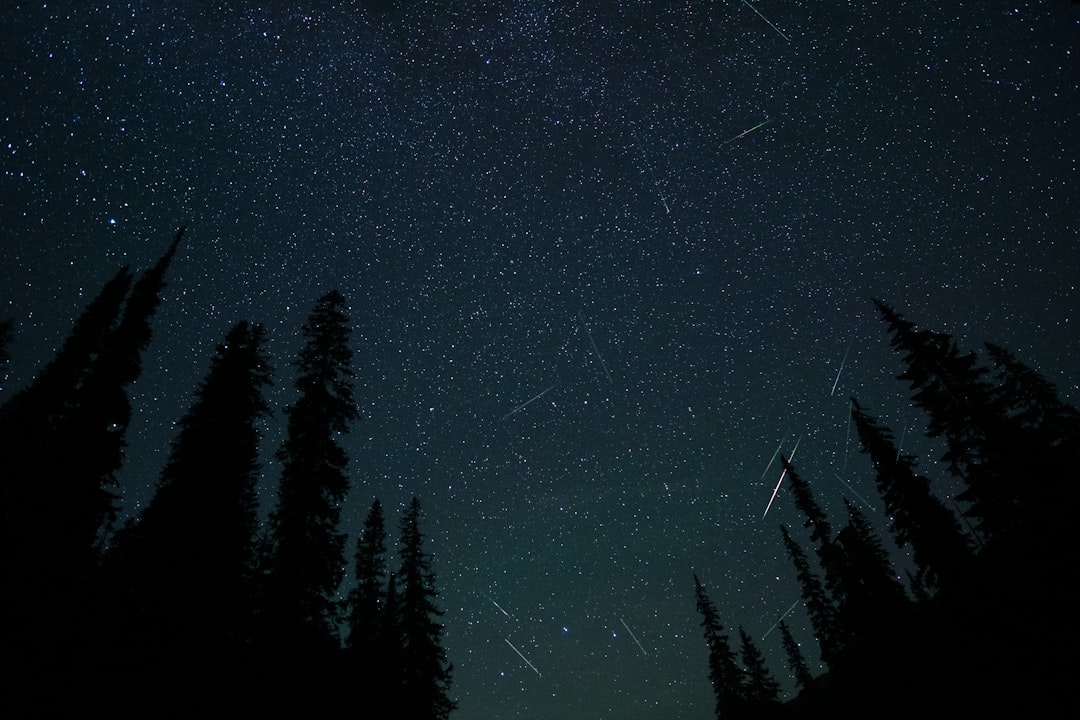
A rare daylight meteor exploded over Ohio and Kentucky, generating a sonic boom heard across multiple states and shaking the ground.
A meteor weighing approximately seven tons streaked across the Midwestern United States on Wednesday morning, creating a massive sonic boom heard from Ohio to Kentucky. According to NASA, the event, which began at about 9:00 a.m., involved a six-foot-diameter meteor traveling through the upper atmosphere at 40,000 mph. The explosion generated enough energy to equal a 250-ton TNT detonation, causing shockwaves that were felt across multiple states.
Bright daylight fireball surprises residents
Witnesses in at least 10 states reported seeing the meteor's bright red fireball, which illuminated the morning sky and lasted about five seconds. Unlike most meteors, which occur at night, this event unfolded in daylight, making it an unusual and remarkable sight. According to NASA’s data, the fireball first became visible as it traveled through the upper atmosphere before exploding and disintegrating about 34 miles above Medina, Ohio. Debris from the event scattered in the surrounding area.
Local residents described the event as both startling and earth-shaking. "I immediately thought that somebody ran into my house," said Aisha Jones, a resident of Maple Heights, Ohio. She reported a loud boom that shook her home while her young children were napping. Many others observed the sonic boom and shockwaves, which were strong enough to register on seismographs.
What made this meteor unique?
NASA scientists highlighted several factors that made this meteor particularly significant:
- Daylight visibility: Meteors are rarely visible in daylight because their luminosity is often drowned out by the sun. This meteor’s bright fireball defied the odds.
- Over a populated area: The meteor’s path took it over densely populated regions, making it accessible to millions of viewers across the Northeastern United States.
- Relatively slow speed: While 40,000 mph might sound fast, scientists noted that this is slow compared to the typical speeds of meteors entering Earth's atmosphere.
The science behind the explosion
The meteor’s fiery demise resulted in a powerful pressure wave. When such objects enter Earth's atmosphere, intense friction causes them to heat up and eventually break apart. In this case, the explosion produced a sonic boom loud enough to rattle windows and houses and was even detected by NOAA satellites from space. Seismographs also picked up the blast, confirming its intensity.
NASA estimates the amount of energy released by the meteor’s disintegration to be equivalent to 250 tons of TNT, illustrating the sheer force of the event. While no injuries or major property damage have been reported, the meteor scattered fragments widely across its atmosphere-breaking path.
What is a sonic boom?
A sonic boom occurs when an object travels through the air at a speed faster than sound, compressing air molecules, which then release a shockwave. In the case of the meteor, these shockwaves reached the ground and caused the rumbling and loud booms that alarmed residents. Sonic booms caused by meteors are less common than those generated by aircraft, primarily due to the rarity of large meteors entering Earth’s atmosphere over inhabited areas.
Community reactions and NASA's perspective
Social media platforms were inundated with accounts from startled community members. Some residents initially speculated that the booms were related to fireworks or construction accidents. "Anybody see or hear what blew up? Definitely too big for fireworks," one person posted online. Videos captured the fireball’s swift journey before it disintegrated high above the ground.
NASA scientists expressed their amazement at the event and its visibility, emphasizing how rare such occurrences are in the daytime. While meteors frequently enter Earth’s atmosphere, most burn up harmlessly over oceans or uninhabited areas. The likelihood of a meteor exploding over a populated region is considerably lower.
How common are meteor explosions?
Exploding meteors, also called airbursts, occur more frequently than most people realize. However, the vast majority take place over remote or uninhabited areas. NASA monitors the skies for such events using a network of satellites, ground-based instruments, and eyewitness reports. Events similar to this one happen a few times each year, but their strength and visibility vary widely depending on factors like the meteor’s size, composition, and trajectory.
Comparison: Recent notable meteor events
| Event | Year | Estimated Energy Released | Location | Notable Feature |
|---|---|---|---|---|
| Chelyabinsk | 2013 | 440 kilotons TNT | Russia | Injured over 1,000 people |
| Ohio-Kentucky | 2023 | 250 tons TNT | United States | Rare daytime fireball |
| Tunguska | 1908 | 10 megatons TNT | Siberia | Flattened 800 square miles |
While not as destructive as the Chelyabinsk or Tunguska events, the Ohio-Kentucky meteor still stands out for its unique characteristics, notably its daytime appearance over populated areas.
Practical takeaways
For residents of the Midwestern U.S., this meteor event emphasized the importance of reporting and documenting such occurrences. Observations from everyday people, combined with NASA’s scientific monitoring systems, provide valuable data for understanding and preparing for similar phenomena in the future.
If you spot a bright fireball, experts recommend documenting it with photos or videos, if safely possible, and sharing your observations with organizations like the American Meteor Society. Such data helps scientists better track and study these celestial visitors.
Conclusion
The exploding meteor over Ohio and Kentucky was a rare and awe-inspiring phenomenon. With its massive sonic boom, bright red fireball, and shockwave felt across multiple states, this event reminded us of the sometimes dramatic interactions between Earth and the cosmos. While harmless this time, it served as a powerful example of the energy unleashed when space objects reach our atmosphere.
Comments
Loading comments…


