How the Artemis Program Is Making 2026 a Historic Milestone in Space Exploration
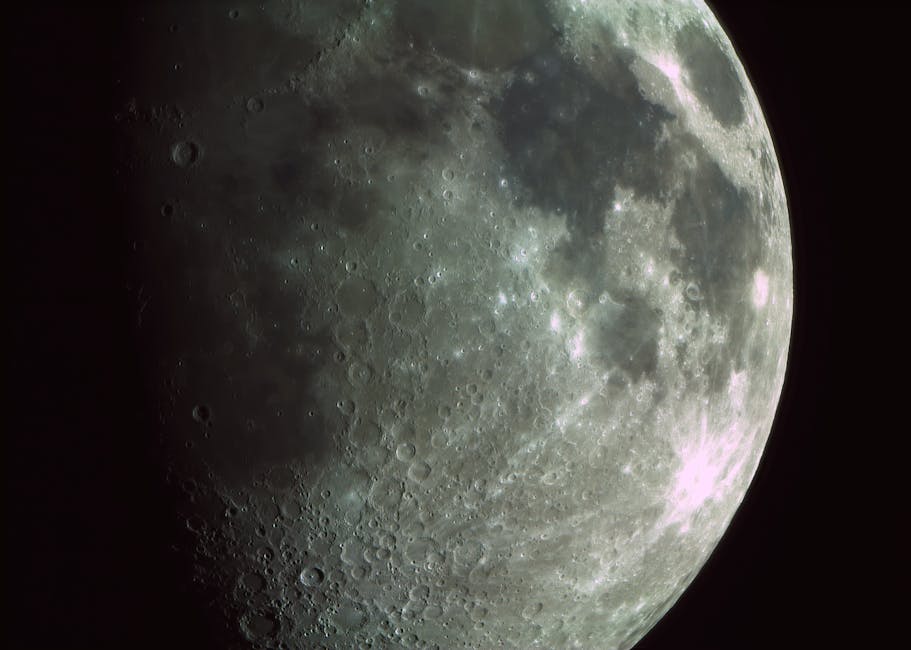
NASA's Artemis program is set to return humans to the Moon by 2026, targeting the lunar south pole for long-term research and as a launchpad for Mars.
In 1969, the Apollo 11 mission marked humanity’s first steps on the Moon, with Neil Armstrong ushering in a new era of discovery. However, after several missions in the Apollo series, human exploration of the Moon ceased, leaving our cosmic neighbor untouched by human hands for decades. That silence is set to end in 2026 with the Artemis program’s groundbreaking objectives that aim not just to visit the Moon but to establish a sustainable presence there.
What Makes Artemis Different From Apollo?
The Artemis program represents a fundamental shift in approach compared to NASA’s Apollo missions. While the Apollo program was driven by Cold War-era geopolitical competition, Artemis is centered around long-term exploration, international collaboration, and the development of technologies that pave the road to Mars.
Goals of the Artemis Program
- Return to the Moon: Artemis III, the mission planned for 2026, will aim to land astronauts at the lunar south pole—a place never visited by humans before.
- Utilizing Lunar Resources: Scientists believe that ice located in the Moon’s shadowed craters could be used as a resource. This water can be split into hydrogen and oxygen, effectively creating fuel for future missions.
- Building a Lunar Gateway: The Lunar Gateway, a space station orbiting the Moon, will serve as a hub for research and as a launch point for both Moon landings and deeper space exploration.
Why the South Pole?
The Moon’s south pole offers unique advantages. It is home to permanently shadowed craters that harbor frozen water. These ice reserves are invaluable for both oxygen and hydrogen production, providing the materials necessary for life-support systems and rocket fuel.
The Role of Technology and Private Companies
The Artemis mission combines the expertise of traditional space agencies with the innovation of private companies. Firms like SpaceX, Blue Origin, and others are playing key roles in the design and construction of spacecraft and infrastructure. For example, SpaceX’s Starship is a candidate for the human landing system tasked with transporting astronauts to the Moon’s surface.
With the surge in private investment, a new “space economy” is being born. This economy relies on partnerships to lower costs and develop sustainable systems capable of supporting lunar habitats and operations.
Preparing for Mars: Why the Moon Is a Stepping Stone
One of the Artemis program’s ultimate objectives is to prepare humanity for travel to Mars. Living on the Moon provides astronauts with critical hands-on experience in surviving beyond Earth. Vital areas of research include:
- Designing habitats resistant to extreme temperature variations
- Developing sustainable agriculture for food
- Perfecting life-support systems
Experience gained from Artemis missions will inform future designs and strategies for living on Mars, where conditions are even more challenging.
International Collaboration and Competition
The Artemis program underscores a monumental shift in space exploration from a national endeavor to a global mission. NASA has partnered with space agencies in Europe (ESA), Japan (JAXA), and Canada (CSA) to build the Lunar Gateway and conduct joint operations.
At the same time, other countries, especially China, are advancing their lunar ambitions. China’s Chang’e program has detailed plans for robotic and human Moon missions, including its own lunar base concept. The competition and cooperation between nations are fueling rapid advancements in multiple areas of space technology.
The Broader Implications of Lunar Exploration
Beyond immediate goals, Artemis is the beginning of humanity’s preparation for becoming an interplanetary species. The lunar south pole’s unique environment holds clues to the early solar system, offering scientists the chance to study ancient frozen deposits that could change our understanding of how planets and moons develop.
The Moon’s far side, free from Earth’s radio noise, provides a pristine location to observe deep into the universe, making it a vital site for astronomy. Future missions might uncover celestial phenomena that reshape scientific paradigms.
What Makes 2026 So Critical?
Landing astronauts at the Moon’s south pole for the first time will set the stage for establishing a permanent research base. Such a base can support long-duration missions where astronauts will grow food, refine water and fuel production techniques, and optimize survival systems under harsh conditions. These capabilities are essential for eventual human missions to Mars.
Moreover, achieving these milestones reaffirms humanity’s ability to conduct complex, multi-year missions far beyond Earth's orbit. It demonstrates that lunar exploration is no longer a Cold War spectacle but a collaborative push to ensure humanity’s future among the stars.
Practical Takeaways
- Significance of 2026: Artemis III will not simply return humans to the Moon after more than 50 years but will also test technologies designed for sustained living and research on another celestial body.
- New Economy: The increasing role of private companies is making space exploration more cost-efficient and innovative.
- Global Effort: International cooperation is key to making missions sustainable, with countries contributing specific expertise and components.
- Scientific Advances: The Moon’s unique resources and conditions are opening doors to breakthroughs in astronomy, planetary science, and beyond.
Conclusion
The Artemis program marks a turning point in human exploration. From uncovering the secrets of the lunar south pole to creating a gateway to Mars, 2026 represents more than just a return to the Moon. It’s the next step in proving we can live and thrive beyond Earth. Far from being an achievement for a single country, the mission symbolizes a shared human ambition for discovery and progress.
Comments
Loading comments…


