How to Critically Read Science News: Separating Fact from Fiction
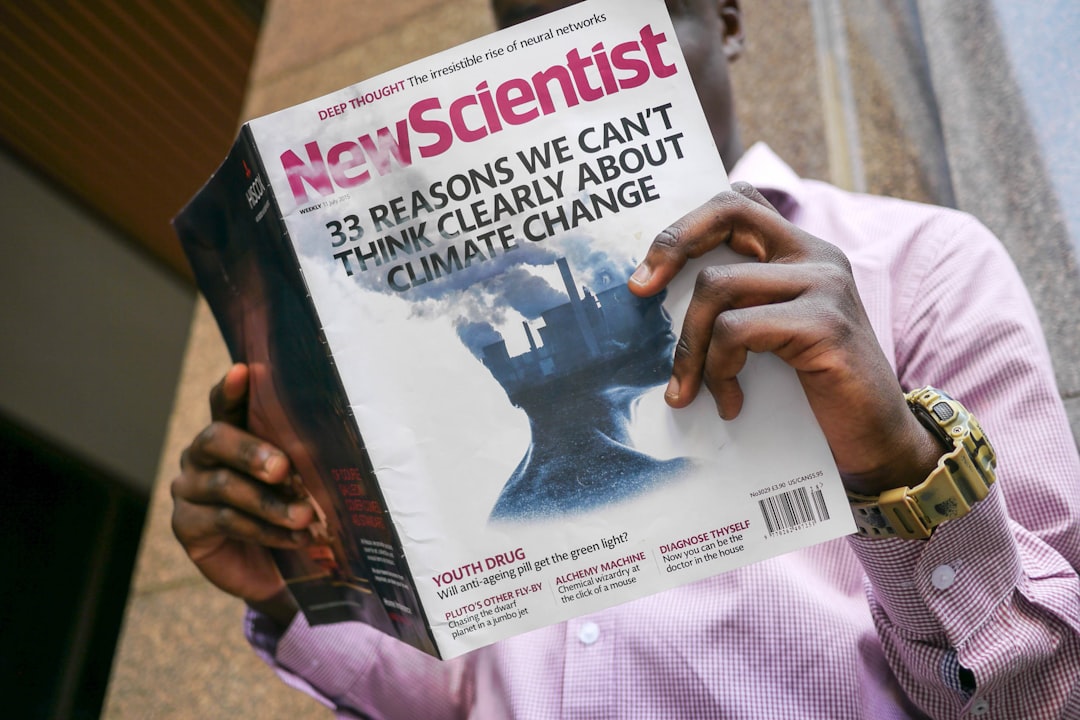
Learn how to distinguish trustworthy science news from clickbait, misinformation, and exaggerated claims using critical thinking techniques.
When it comes to science news, headlines often grab attention with outrageous claims, sensational breakthroughs, or alarming warnings. The universe as a hologram? Semen as an antidepressant? These may sound absurd, but many stem from actual headlines, albeit often misinterpreted, exaggerated, or even outright misleading. To navigate this deluge of information, it’s crucial to develop skills to discern good science reporting from bad. Here’s how you can critically read and evaluate science news.
Start with the headline
Avoid leading questions
If a headline begins with a question, such as “Did scientists discover a cure for cancer?” or “Could a black hole destroy the Earth?”, proceed with caution. This technique, known as Betteridge’s Law of Headlines, suggests most headlines phrased as questions are answered "no." Rather than providing clear information, they aim to bait readers into clicking. Legitimate science journalism should offer straightforward titles that focus on the facts.
Beware of quotation marks
Phrases like “study ‘proves’ aliens existed” often throw in quotation marks to hedge claims. These quotes can signal exaggerations, ambiguities, or outright distortions. They may be intended to grab your attention but often indicate the data isn’t as definitive as it seems. Be skeptical when you see this tactic.
Distinguish press releases from journalism
Many science news websites rely on press releases from universities, labs, or companies to populate their pages. These releases are essentially marketing material designed to promote research findings or products. While press releases aren’t necessarily false, they often emphasize positives and downplay limitations. Journalism, on the other hand, should offer a balanced perspective by presenting the context of the findings, any associated caveats, and comments from independent experts. When reading a science article, check if it cites peer-reviewed research and whether it involved independent analysis or merely paraphrased a press release.
Spot “warning words”
Certain words and phrases in articles can indicate uncertainty or overreach. Be on the lookout for terms like:
- “Scientists were baffled”
- “Linked to”
- “Correlation”
- “Study suggests”
- “Groundbreaking discovery”
These expressions don’t inherently mean the article is misleading, but they can signal the story lacks definitive evidence. For example, “linked to” merely refers to an observed relationship, not cause and effect. Similarly, “baffled” is rarely an accurate portrayal of how experts respond to new data.
Check for peer review and the scientific method
A critical element of trustworthy science news is whether the research underwent peer review. Peer review validates findings by having other experts analyze the work for accuracy and reliability. If the article doesn’t mention this process, or if the findings were part of a preliminary conference presentation, exercise skepticism. Good journalists treat breakthroughs as new hypotheses rather than proven facts. They compare findings to prior research and seek input from multiple experts.
Follow the money
Consider whether someone stands to gain financially from the claim. Articles on commercial websites rely on advertising revenue, so they benefit from drawing readers with exaggerated headlines. Additionally, research funded by corporations or advocacy groups may carry biases intended to favor certain outcomes. Reliable articles should acknowledge funding sources to help readers weigh potential conflicts of interest.
Look for direct research quotes
Did the journalist interview the researchers involved in the study? If so, what did the researchers actually say? Articles that rely solely on press release quotes are inadequate. Even better are pieces that include commentary from independent experts, providing additional context. A good science article will feature diverse perspectives to ensure objectivity and accuracy.
Beware of “breakthrough” or fear-inducing stories
New breakthroughs, especially when they claim to solve major scientific problems, deserve extra scrutiny. For instance, headlines announcing a “cancer cure in mice” can be misleading because treatments that work in mice often don’t translate directly to humans. Scientific progress is typically incremental, with breakthroughs being exceedingly rare.
On the flip side, some articles may use fear-mongering tactics to entice clicks. Topics like antibiotic-resistant bacteria or living near freeways are undeniably urgent, but reliable journalism will back claims with substantial, vetted evidence. Ask yourself whether the story is playing on emotions more than presenting balanced facts.
Question stereotypes
Sometimes, research seems to fit neatly into societal narratives or stereotypes. For instance, studies on gender differences in brain function may be used to reinforce outdated ideas about roles and capabilities. While researchers may identify genuine differences, their interpretations should remain cautious. Avoid stories that stretch findings to fit preexisting cultural norms—or that aim to automatically challenge them without sufficient evidence.
Balance curiosity with skepticism
All science journalism requires a curious yet skeptical mindset. Remember, science is an evolving field where no single study provides definitive answers. As science communicator Michael Shermer once stated, “You should have an open mind, but not so open that your brains fall out.” Think critically about whether claims sound “too good to be true.”
Practical tips for evaluating science news
- Examine the source: Is the outlet reputable? Look for names like Nature, Science, or well-established media outlets.
- Seek original research: Articles should reference the original study and provide links for readers to verify.
- Cross-check with experts: Compare findings across multiple sources or seek additional commentary from scientists.
- Take your time: Complex research often requires careful reading. Don’t draw conclusions based solely on headlines or summaries.
Why critical reading matters
With the vast availability of accessible information, the ability to critically evaluate science journalism is essential. Misrepresentation of research harms public trust and understanding of science. By applying these guidelines, you can become an informed reader who discerns credible stories from exaggerated or misleading ones.
The internet has empowered more people than ever to share information. While this has its benefits, it also requires readers to think critically. Approach science news with both curiosity and caution to avoid falling for inaccuracies, whether intentional or not.
Comments
Loading comments…


