Key Space Missions to Watch in 2026: Artemis 2, Nancy Grace Roman Telescope, and More
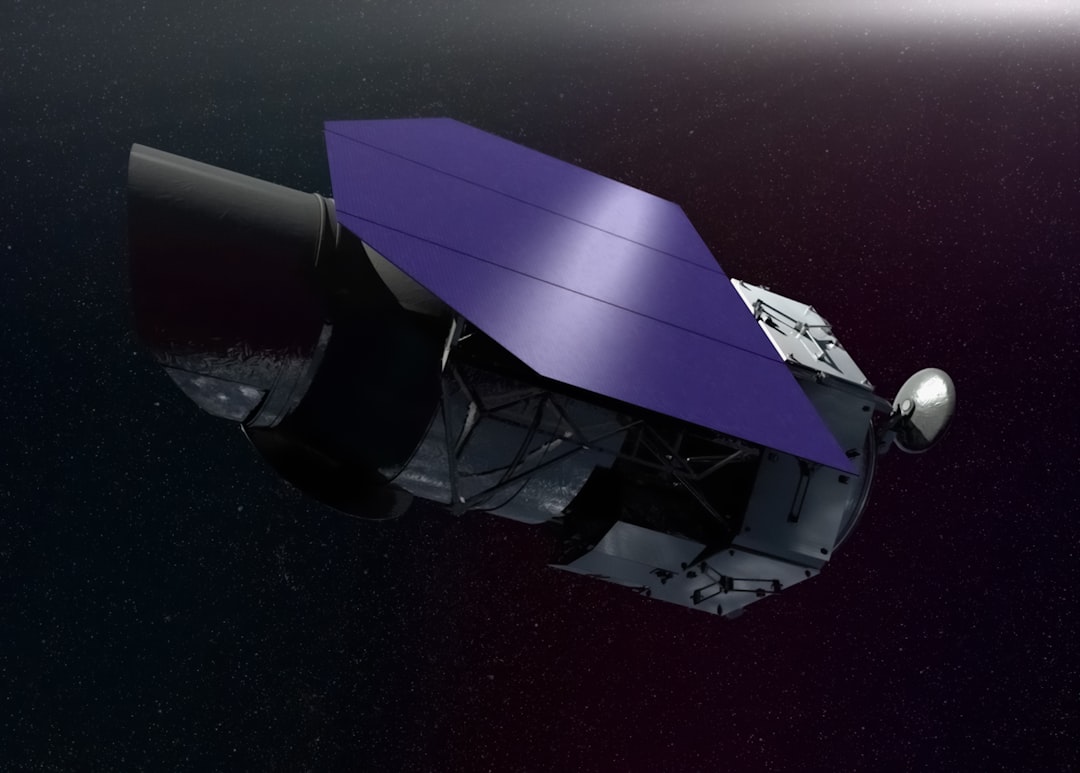
2026 is set to be a big year for space exploration with NASA’s Artemis 2 mission, the Nancy Grace Roman Telescope's launch, and more exciting ventures.
Space enthusiasts have plenty to look forward to in 2026. From NASA’s Artemis 2 mission to the launch of the Nancy Grace Roman Space Telescope, this year is shaping up to be a milestone for human and robotic ventures beyond Earth. Here's a closer look at the top missions and technological advancements expected in 2026.
NASA’s Artemis 2: Paving the Way for a Lunar Return
One of the most highly anticipated missions of the decade, NASA’s Artemis 2, is slated for 2026. This groundbreaking journey marks the first time humans will orbit the Moon since the Apollo missions over 50 years ago. Four astronauts will be aboard NASA’s Orion spacecraft, launched atop the Space Launch System (SLS) rocket. While they won’t land on the lunar surface, this mission will test critical systems and operations essential for the final preparation before human lunar landings during Artemis 3.
The astronauts’ orbit around the Moon will serve as a critical rehearsal for future missions, enabling NASA to refine technologies and procedures. Beyond its technical importance, Artemis 2 is symbolic of humanity's renewed commitment to explore our closest celestial neighbor and ultimately chart a course for Mars exploration.
The Nancy Grace Roman Space Telescope: A New Perspective on the Universe
Another major event in 2026 will be the launch of the Nancy Grace Roman Space Telescope. Nicknamed "Hubble’s wide-angle cousin," the telescope promises revolutionary advancements in our understanding of the cosmos. Unlike the Hubble Space Telescope, which focuses on detailed views of small regions, the Roman Space Telescope will capture expansive areas of the sky with incredible precision.
The Roman Space Telescope will travel to Lagrange Point 2 (L2), a stable region in space approximately 1.5 million kilometers from Earth. It is the same point where the James Webb Space Telescope operates. At L2, the Roman telescope will study dark energy, catalog thousands of exoplanets, and create precise maps of the universe. These efforts will provide scientists with valuable insights into the fundamental questions about the composition and evolution of galaxies.
SpaceX Starship: Advancing the Mars Vision
SpaceX, the private aerospace company led by Elon Musk, has ambitious plans for its Starship rocket in 2026. Starship, the largest rocket ever built, is designed for full reusability, which could drastically reduce the cost of space travel. SpaceX is expected to continue testing its capability for in-orbit fuel transfers, a critical technology for extended missions to Mars and beyond.
With these advancements, SpaceX is moving closer to its ultimate goal of sending humans to Mars. Regular Starship flights in 2026 could mark significant progress in making interplanetary travel a practical reality.
NASA’s CLPS Missions: Expanding Lunar Exploration
In parallel with Artemis 2, NASA has an array of Commercial Lunar Payload Services (CLPS) missions scheduled for 2026. These initiatives aim to send robotic landers to the Moon’s surface. The goal is to test new technologies, scout future human landing sites, and maximize the scientific yield of lunar exploration.
The CLPS program leverages partnerships with private companies to deliver payloads at a fraction of the cost of traditional space missions. These lunar delivery services are part of NASA’s vision for developing a thriving commercial lunar market, which could eventually extend to other destinations within the solar system.
The Role of Technology in Space Innovation
The cutting-edge technological advancements scheduled for 2026 highlight the increasing collaboration between public agencies like NASA and private companies such as SpaceX. From the Artemis program to robotic exploration missions, the space industry is benefiting from shared innovation.
For example, the CLPS program exemplifies how NASA works with American companies to achieve exploration goals. This approach not only stimulates economic growth but also accelerates scientific discoveries, from mapping the Moon’s surface to testing survival technologies for future human settlements.
Astrophotography for Enthusiasts: A Dive into Stargazing
While 2026 is significant for space missions, amateur astronomers can also contribute to the exploration of the skies. For enthusiasts, astrophotography is one way to engage with the universe from Earth. With simple setups, such as smartphones and affordable telescopes, hobbyists can capture impressive images of celestial objects like the Milky Way in their own backyards.
Innovators within the astrophotography space have shown how accessible this hobby can be. Even a stable tripod and a smartphone, such as the iPhone 17 Pro Max, can yield fascinating starfield captures. By experimenting with exposure times, individuals can delve into stargazing without breaking the bank.
Frequently Asked Questions (FAQ)
What is Artemis 2, and why is it important?
Artemis 2 is NASA’s upcoming mission to orbit the Moon with astronauts aboard the Orion spacecraft. It serves as a critical step toward the Artemis 3 mission, in which humans will land on the Moon for the first time in over five decades.
How does the Nancy Grace Roman Telescope differ from the Hubble Space Telescope?
While the Hubble Telescope focuses on small, detailed regions of space, the Nancy Grace Roman Telescope will examine much larger areas of the sky. Its wide-angle view will help scientists study dark energy, exoplanets, and cosmic structures.
Why is SpaceX’s Starship significant?
Starship is a fully reusable rocket designed to reduce space travel costs. In 2026, SpaceX aims to advance in-orbit fuel transfer capabilities, a crucial technology for long-term Mars missions.
What are CLPS missions?
NASA’s Commercial Lunar Payload Services (CLPS) missions aim to partner with private companies to send robotic landers and payloads to the Moon. These missions will test technologies and scout sites for future human exploration.
As we look ahead to 2026, the dawn of another pivotal year for space exploration is upon us. From historic lunar orbits to advancing Mars ambitions, the next wave of missions will demonstrate the limitless potential of human ingenuity and scientific curiosity.
Comments
Loading comments…


