NASA 2025: Artemis II and the Next Era of Space Exploration
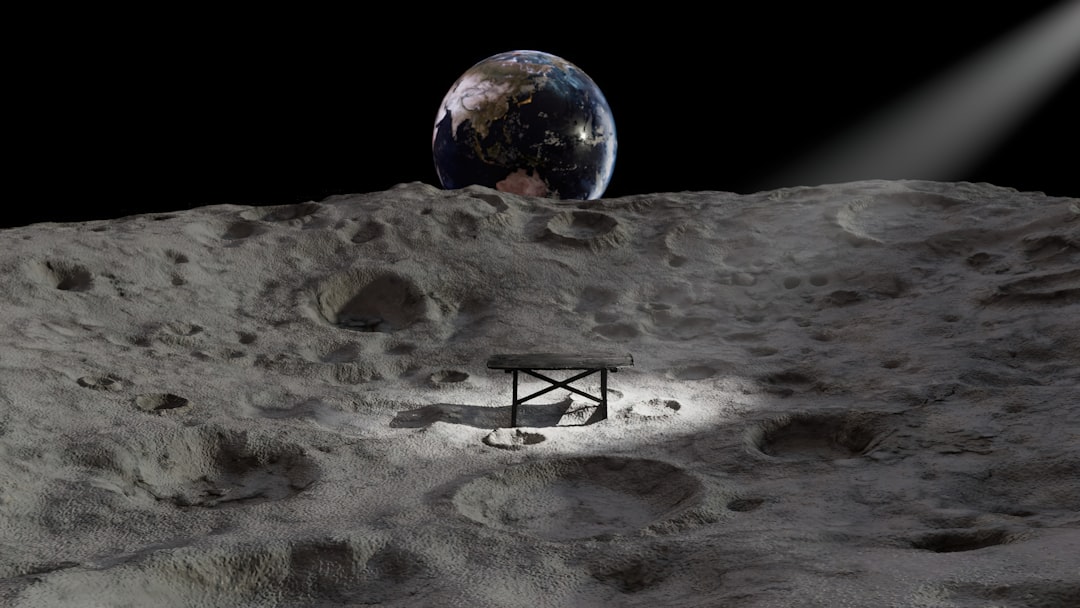
NASA’s Artemis II mission in 2025 will pave the way to Mars, alongside groundbreaking projects like the X-59, NISAR, and 140 active missions.
NASA's mission to further humanity's reach into space is gaining momentum as we approach 2025, with landmark projects like Artemis II, the NISAR satellite, and cutting-edge aviation technologies such as the X-59. These initiatives underscore NASA's commitment to advancing both science and exploration, with the ultimate goal of landing humans on Mars and understanding our solar system like never before.
Artemis II: The Critical Precursor to Mars
Set for 2025, Artemis II is not just another Moon mission. According to astronaut Victor Glover, it represents a "next step on the journey that gets humanity to Mars.” While the mission itself will see a crewed spacecraft travel around the Moon and back, the broader aim is to lay the groundwork for future missions that will reach the lunar surface and eventually Mars. Artemis II is essential for testing systems and procedures that humanity will depend on for deeper space exploration.
Jim Free, NASA’s associate administrator for exploration systems, emphasized the importance of these milestones: “When we hear those words, ‘we have touchdown,’ it will be our next step to understanding how the Moon formed and paving the way for landing humans.” The Moon’s unique makeup holds answers about the solar system’s early history, answers that could guide Mars missions and beyond.
NISAR: Tracking Earth’s Data from Space
Earth’s future is just as important as humanity’s future in space. The NISAR satellite, a collaborative mission between NASA and the Indian Space Research Organisation (ISRO), is set to transform climate science. Using advanced radar imaging, NISAR will monitor Earth's lands and ice masses to measure changes caused by subsidence, deforestation, and climate-driven transformations.
Engineer Phil Barela noted, “Virtually everybody on this Earth is going to be affected by the science data that NISAR is going to return.” By tracking minute changes in ecosystems, this satellite can improve disaster response, enhance resource management, and even support sustainable city planning.
X-59 and X-66: Redefining Aviation
NASA's innovations aren’t limited to space. Bob Pearce, the agency's associate administrator for aeronautics, highlights ongoing modifications to futuristic aircraft like the X-59 and X-66. The X-59 aims to reduce the sonic boom, a significant barrier to supersonic flight over populated areas. Such advancements could make rapid air travel much quieter and more accessible.
Meanwhile, the X-66 embodies NASA's goal of sustainable aviation. Designed for fuel efficiency and emissions reductions, this aircraft is paving the way to greener skies. Combined, these projects bring Earth and space closer, as technologies for cleaner, faster travel enable more ambitious exploration beyond our atmosphere.
The Big Picture: Exploration Everywhere
The sheer scope of NASA’s activities is remarkable. At any given moment, NASA oversees 140 active missions across our solar system. Whether exploring distant planets or monitoring climate change on Earth, there is no corner of our solar system left untouched. Science and exploration are inextricably linked, each pushing the boundaries of the other. NASA’s Nicky Fox aptly described the synergy: “Science enables exploration, and exploration enables science.”
Major Upcoming NASA Missions and Projects:
- Artemis II: Crewed mission orbiting the Moon, critical for Mars preparation.
- NISAR: Earth-monitoring radar satellite to measure environmental change.
- X-59 Quiet Supersonic Transport: Advancing quieter, faster air travel.
- X-66 Sustainable Aircraft: Aiming for eco-friendly aviation solutions.
- 140 active missions: Covering everything from planetary science to astrophysics.
Practical Takeaways
Here’s what NASA’s 2025 plans mean for the common person:
- Space exploration advances near-term technology: From medical imaging to high-speed communications, many key modern technologies stem from space research.
- Climate monitoring will be precise: NISAR’s data can inform policies to protect agriculture, water resources, and urban areas from environmental risks.
- Greener aviation benefits travel: Technologies like X-59 and X-66 could make flying faster, quieter, and more sustainable within a decade.
- Vision for Mars becomes reality: Artemis II’s success will mark a pivotal milestone toward establishing a permanent human presence on other planets.
What Lies Ahead
NASA’s journey is far from over. Artemis II, along with the advancements in climate-monitoring satellites and aviation technologies, represents a small segment of the work happening right now. Each step builds on the previous, setting humanity on a transformative path toward interplanetary travel and sustainable living on Earth.
As NASA looks to "the Moon, Mars, and beyond," the 2025 window promises to redefine what humanity believes is possible—in the skies over our heads and the stars far beyond.
Staff Writer
Emily covers space exploration, physics, and scientific research. Holds a degree in astrophysics.
Comments
Loading comments…


