NASA Artemis II: Historic First Crewed Moon Mission Since 1972
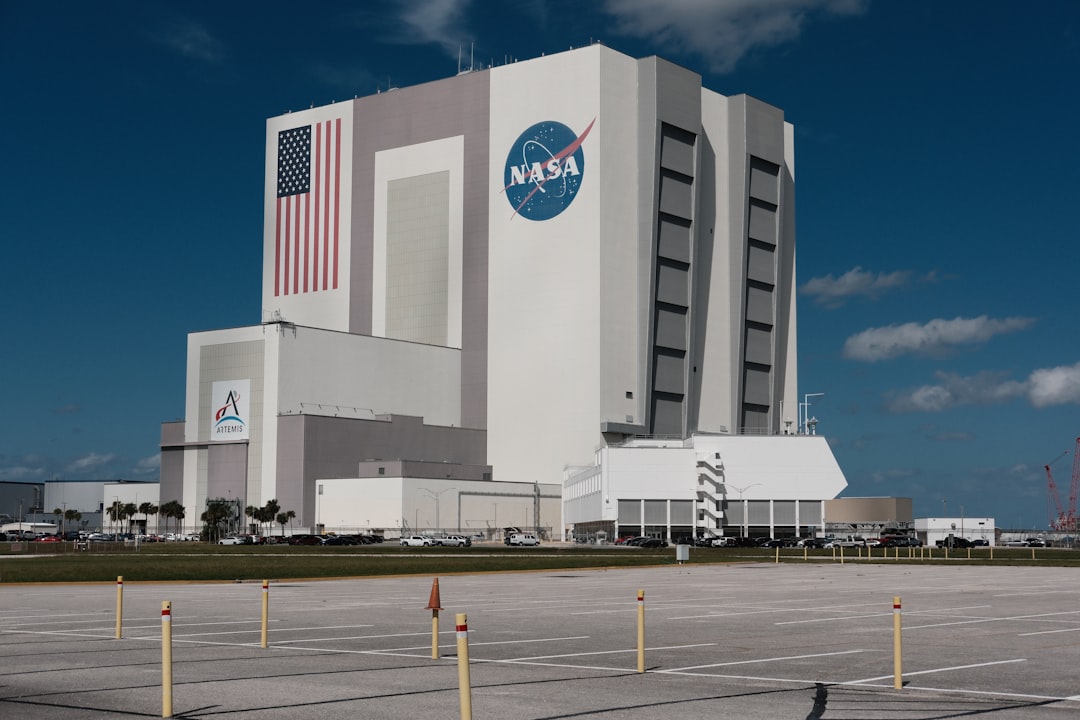
NASA's Artemis II mission marks the first crewed journey to the Moon since 1972, laying groundwork for future lunar exploration.
NASA is making history once again with Artemis II, its first crewed mission to the Moon since 1972. This milestone represents a pivotal step in the modern era of space exploration, building on the legacy of the Apollo program while paving the way for more ambitious lunar and deep-space endeavors.
Artemis II is part of NASA's Artemis program, which is focused on re-establishing a robust human presence on and around the Moon. Unlike Apollo, Artemis aims to do more than simply return astronauts to the Moon's surface—it seeks to create a sustainable foundation for future exploration. The Artemis program also intends to engage international partners and private-sector collaborators to expand humanity's reach in space.
Artemis II will serve as a vital test of NASA's new technologies and systems for deep-space travel. Although the exact timeline was not specified in the initial announcement, this mission comes over five decades after NASA's last crewed lunar voyage. The decision to send humans back signals a renewed commitment to scientific discovery and exploration on a larger scale.
While Artemis I successfully demonstrated the capabilities of the uncrewed Orion spacecraft in late 2022, Artemis II will be the first to carry humans as they orbit the Moon. By doing so, it will validate key systems such as life support, communications, and deep-space navigation in preparation for Artemis III, which aims to land astronauts on the lunar surface.
What sets the Artemis program apart from its predecessors is its long-term vision. NASA has outlined plans for constructing the Gateway, a lunar orbiting station that will act as a staging point for surface exploration. Artemis II is a crucial step toward making this vision a reality, ensuring that all systems are operational before astronauts attempt more ambitious missions.
This historic mission not only celebrates NASA's achievements in space exploration but also underscores the growing importance of international and private-sector cooperation. Though specific partners were not named in the briefing, numerous space agencies and companies are expected to contribute to Artemis' missions and the necessary infrastructure.
Moving forward, Artemis II's success will be a litmus test for NASA's plans to extend human spaceflight beyond Earth's orbit and into the broader solar system. With decades of technological advancements and a new generation of scientists at the helm, this mission could redefine what humanity is capable of achieving in space.
Staff Writer
Emily covers space exploration, physics, and scientific research. Holds a degree in astrophysics.
Comments
Loading comments…


