NASA reconsiders Artemis mobile launcher amid budget concerns
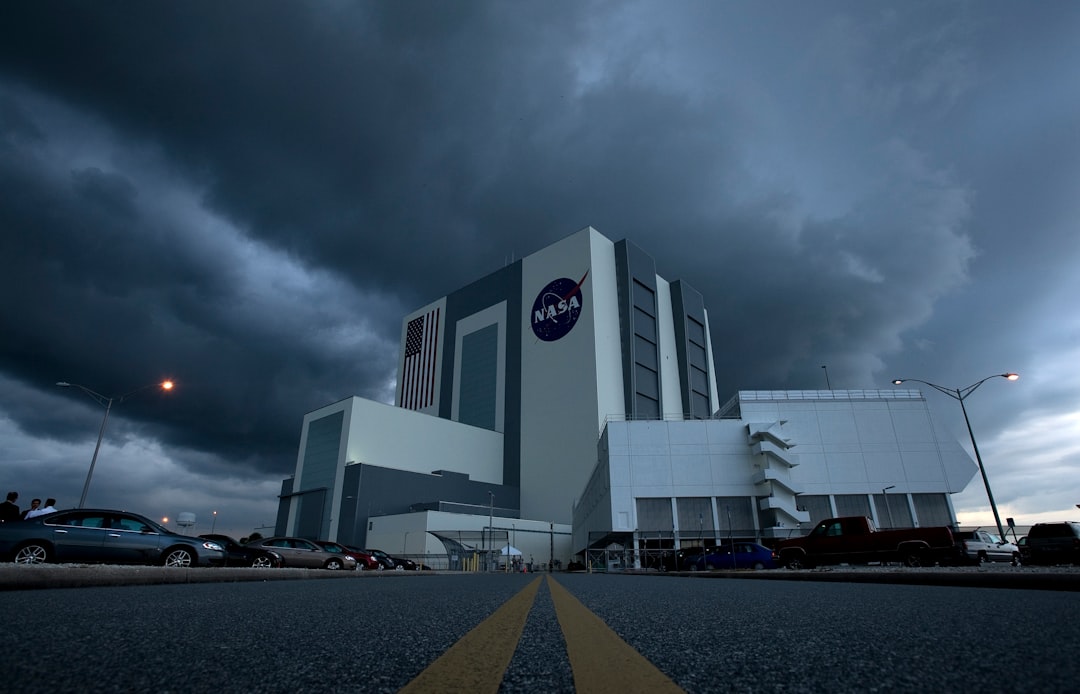
NASA evaluates halting the billion-dollar mobile launcher for Artemis missions at Kennedy Space Center to streamline costs and modernize infrastructure.
NASA's Artemis program, its ambitious campaign to return humans to the Moon and beyond, is under significant review. At the center of the latest debate lies Mobile Launcher 2, an enormous and costly piece of equipment located at Kennedy Space Center that was built to transport and launch the Space Launch System (SLS) rockets for late-stage Artemis missions. After surpassing its budget and timeline, NASA may now abandon the project entirely.
The Mobile Launcher: A Massive Undertaking
Standing 355 feet tall and weighing over 11 million pounds, Mobile Launcher 2 was designed to assemble, transport, and launch the massive SLS rockets required for Artemis missions 4 and beyond. The project, initially contracted at $383 million in 2019, has ballooned to over $1 billion, raising questions about its future utility as delays and cost overruns mar its development.
The launcher was supposed to be operational by 2023, but ongoing issues have kept it from completion. NASA’s recent updates suggest it will not use Mobile Launcher 2 for upcoming Artemis missions, a decision that has prompted debate over whether decommissioning the nearly completed hardware is a waste of taxpayer money.
Balancing Investment Versus Utility
Critics of NASA's move have voiced concerns about scrapping the program entirely. David Denault, an advocate of maintaining backup systems, strongly supports preserving the launcher, possibly in storage, in case of future needs. “It’s stupid to take this thing apart,” he said, stressing the importance of backup infrastructure in space exploration.
On the other hand, Florida Congressman Mike Haridopolos defends the NASA administration’s push for modernization. He notes that much of the infrastructure at Kennedy Space Center dates back to the Apollo-era 1960s. Haridopolos argues that streamlining operations and adopting newer, more cost-efficient tools is the right move for long-term sustainability. "We're trying to modernize and find a lower-cost component that achieves the same goal,” he stated.
NASA’s Perspective: Efficiency Without Compromising Space Leadership
The agency has remained cautious in its statements about the launcher’s future. A NASA spokesperson underscored the need for "smart allocation" of taxpayer resources while continuing to pursue the program’s ultimate goal: sending humans back to the Moon sustainably. "The changes announced recently to our Artemis program are in furtherance of these goals," the spokesperson explained. Maintaining U.S. leadership in space exploration remains a key priority, but fiscal responsibility is equally critical.
Despite the overhaul, the Artemis program’s broader aim—to establish a permanent human presence on the Moon—remains intact. The challenge lies in balancing revolutionary ambitions with practical and financial constraints.
Uncertain Impacts on Kennedy Space Center
The Mobile Launcher project hasn’t been solely about rocket launches; it has also been an economic contributor to the region. At its peak, the project brought 300 jobs to Kennedy Space Center. However, with the potential scrapping of Mobile Launcher 2, it remains unclear how these positions will be affected moving forward. The decision to halt or repurpose the equipment could have ripple effects on local employment tied to ongoing Artemis-related projects.
Spec Comparisons: The Mobile Launcher at a Glance
| Specification | Mobile Launcher 2 |
|---|---|
| Height | 355 feet |
| Weight | Over 11 million pounds |
| Initial Budget (2019) | $383 million |
| Current Cost | Exceeds $1 billion |
| Purpose | Assembling and launching SLS rockets |
| Status | Under review for future use |
What’s Next for NASA’s Artemis Program?
NASA’s Artemis missions are still on track to return astronauts to the Moon, but the agency is focused on improving efficiency as part of its broader restructuring. The Artemis III mission aims to land the first woman and the next man on the Moon by as early as 2025, with Artemis IV and subsequent missions extending humanity’s reach further into space.
Yet, questions linger about how NASA will achieve its objectives while managing costs effectively. The decision on Mobile Launcher 2 reflects broader challenges faced by government-funded projects: balancing cutting-edge innovation with taxpayer accountability.
Practical Takeaways
- Fiscal Responsibility Amid Space Exploration: NASA’s decision shows the growing need to approach large-scale projects with cost-efficiency in mind while still advancing pioneering missions.
- Modernization over Legacy Systems: Much of the existing infrastructure at Kennedy Space Center dates back to the 1960s. Investments in updated technology may be key to long-term success.
- Economic Impact of Space Funding: Projects like Mobile Launcher 2 employ hundreds of people but face scrutiny for ballooning costs, highlighting the nuanced relationship between economic benefits and taxpayer value.
Conclusion
NASA’s decision to reconsider the future of Mobile Launcher 2 is both a financial and symbolic turning point for the Artemis program. While critics argue that abandoning the launcher after billions have been spent constitutes a waste, others see it as a necessary step toward modernizing aging infrastructure and ensuring sustainability. One thing is clear: with a goal of permanent lunar presence, NASA must navigate tight budgets, aging systems, and public skepticism to chart the future of American space exploration.
Staff Writer
Emily covers space exploration, physics, and scientific research. Holds a degree in astrophysics.
Comments
Loading comments…


