NASA's Artemis II mission: Humanity's next leap toward the Moon
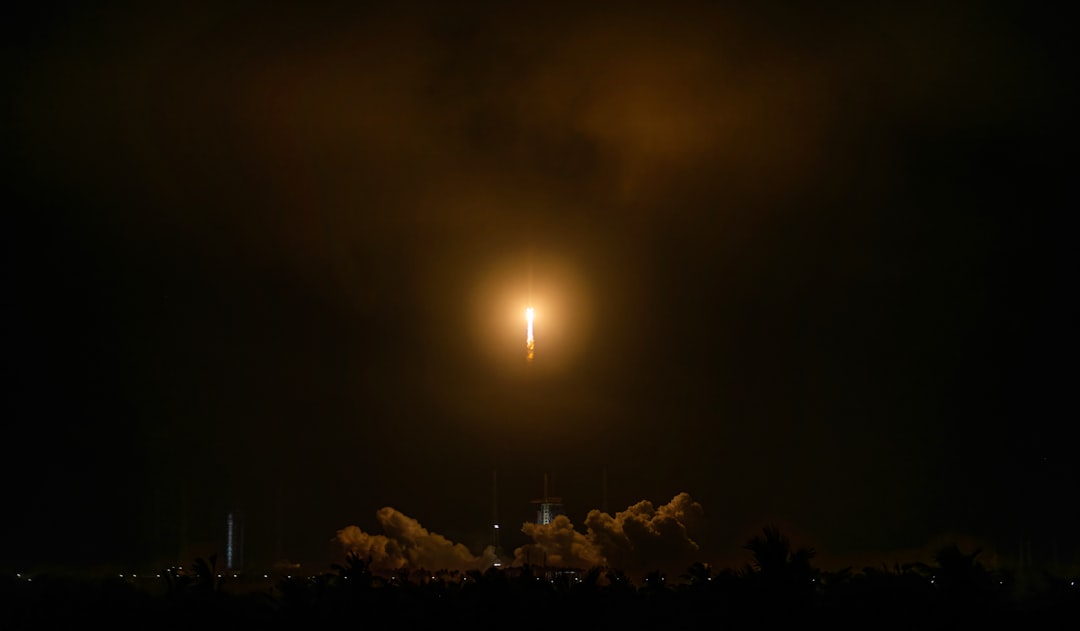
Artemis II takes four astronauts on a groundbreaking journey around the Moon, setting new records and renewing the spirit of exploration.
NASA's Artemis II mission has brought humanity one step closer to its ambitious goal of establishing a sustainable presence on the Moon. This monumental mission, launched on April 1st from the Kennedy Space Center, is the first crewed flight of NASA’s Artemis program. It carried four astronauts onboard the spacecraft Integrity for a 10-day journey around the Moon and back, marking the farthest distance humans have ever traveled from Earth.
The launch and journey toward the Moon
Artemis II began its historic voyage with the ignition of its RS-25 engines and twin solid rocket boosters. Rockets roared to life with precision as the spacecraft ascended. Communication between mission control in Houston and the crew captured the excitement: "Liftoff. Artemis II now bound for the Moon."
Once Integrity passed critical flight milestones such as Max Q (maximum aerodynamic pressure), its crew reported nominal performance from all systems. Among the standout moments during this phase was the surprisingly smooth ride aboard the spacecraft. In initial reactions, one of the astronauts admitted, "We were prepared for a dynamic ride but were surprised by how calm it felt, especially after the separation of the solid rocket boosters."
Life aboard Integrity
Thirty hours into the mission, the crew members—Reed Wiseman, Victor Glover, Christina Koch, and Jeremy Hansen from the Canadian Space Agency—gave an update about life aboard Integrity. Despite having little time to rest, the astronauts shared lighthearted stories of their sleeping arrangements in weightlessness. Koch, humorously compared to a bat, was suspended in the docking tunnel, while others found their own nooks and spaces to sleep. Adjusting to microgravity was a familiar challenge, as one astronaut described the disorienting sensation of "tripping off a curb" while dozing off.
Amid the cramped routines of space travel, the astronauts reflected on the significance of their journey during an emotional message to Earth. "From up here," one crew member observed, "you look like one thing. The mission symbolizes what we can achieve when we bring our differences together." They emphasized humanity's interconnectedness and the shared responsibility to cherish "this spaceship we call Earth."
A record-breaking milestone
As Artemis II traveled deeper into space, the crew set a new record for human distance from Earth by surpassing the 248,655 statute miles set during the Apollo 13 mission in 1970. They honored their predecessors while looking to the future, challenging the current and next generations to exceed this milestone. "We hope this record won’t stand for long. It’s a call to keep pushing boundaries," they declared.
The astronauts also took time to commemorate loved ones. They proposed naming a bright lunar feature after Carol, the late wife of astronaut Reid Wiseman, as a symbolic acknowledgment of the personal sacrifices often intertwined with exploration.
Scientific and cultural impact
Artemis II demonstrated not only technological success but also cultural significance. Key mission objectives included equipment validation and the furthering of scientific understanding. While onboard Integrity, the astronauts observed and documented a solar eclipse from the Moon—a visually spectacular and scientifically insightful experience. These observations were possible through the advanced instrumentation aboard the Orion spacecraft and its European-built service module.
The significance of Artemis II extends far beyond breaking records or achieving milestones. NASA envisions that this mission is laying the groundwork for Artemis III, scheduled to land astronauts on the lunar surface. Artemis II serves as a proving ground for critical systems necessary for sustained lunar operations, such as habitat-building, resource extraction, and further scientific research from permanent outposts.
The return to Earth
After the lunar flyby, Integrity began its journey back to Earth. Reentry into Earth’s atmosphere marked a critical moment, as temperatures outside the spacecraft skyrocketed, causing a communications blackout. The spacecraft, traveling at speeds of 34,800 feet per second, deployed a series of parachutes to slow its descent.
Splashdown occurred at 7:07 p.m. Central Time on April 11th, a flawless conclusion to a 694,481-mile voyage spanning ten days. The astronauts emerged from the spacecraft in good condition, waving at cheering spectators from the recovery vessel. One by one, they were extracted from Integrity and escorted to the medical bay, reaffirming the mission’s success.
What comes next for Artemis
Artemis II is a resounding success that rekindles humanity’s fascination with space exploration. It symbolizes more than just a trip around the Moon; it is a stepping stone toward more ambitious missions, including Artemis III, when humans will once again set foot on the lunar surface. Beyond the Moon, the Artemis program serves as a precursor to deep-space missions to Mars and beyond.
NASA Administrator Bill Nelson summed up the intent behind Artemis succinctly: "We’re going back to the Moon, and this time, we’re staying." With Artemis II, NASA has not only achieved another engineering marvel but also reignited the collective drive to explore our cosmic neighborhood.
As humanity’s eyes turn to the intricacies of lunar habitation and Mars exploration, Artemis II reminds us of the unyielding curiosity and cooperative spirit required to undertake such endeavors. For now, the four astronauts of Integrity have delivered on their promise to push boundaries, challenge limits, and inspire the next "moonshot."
The next era of space exploration is no longer an abstract goal—it’s happening now.
Staff Writer
Daniel reports on biology, climate science, and medical research.
Comments
Loading comments…


