Battle of Camera Phones Under ₹40K: Nothing Phone (4A Pro) vs Vivo V70 vs Oppo Reno 15
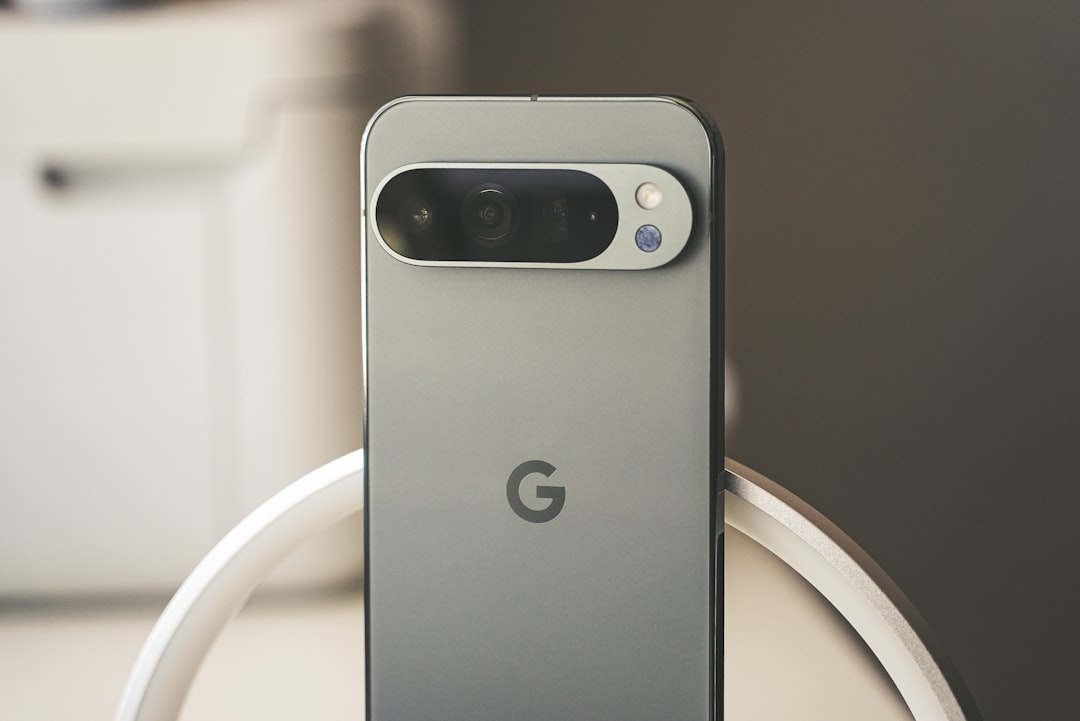
We compare the Nothing Phone (4A Pro), Vivo V70, and Oppo Reno 15 to find out which phone offers the best camera performance under ₹40,000.
When it comes to smartphones under ₹40,000, camera performance is often the deciding factor for buyers. The Nothing Phone (4A Pro), Vivo V70, and Oppo Reno 15 all vie for the title of the best camera phone in this competitive segment. Do any of these devices really deliver a standout camera experience? To find out, we tested them across a variety of scenarios, from daylight shots to selfies, low-light photography, and video recording. Here’s how these three phones stack up against each other.
Camera Hardware Comparison
Let’s start with the hardware. All three phones use a 50MP primary camera but differ in their sensor sizes and additional features:
| Feature | Nothing Phone 4A Pro | Vivo V70 | Oppo Reno 15 |
|---|---|---|---|
| Primary Sensor | 50MP, 1/1.56-inch Sony | 50MP, 1/1.56-inch Sony | 50MP, smaller sensor |
| Ultra-Wide | 8MP | 8MP | 8MP |
| Zoom Capability | 3.5x (smaller sensor) | 3x (larger sensor) | 3.5x (smaller sensor) |
| Selfie Camera | 16MP | 50MP with autofocus | 32MP |
The Vivo V70 clearly outshines in selfie hardware with a 50MP autofocus-equipped sensor, making it ideal for users prioritizing sharper and detailed selfies. For zoom shots, Vivo’s larger sensor at 3x delivers cleaner images, while Nothing and Oppo offer 3.5x zoom but with smaller sensors.
Daylight Photography
Detail Retention
In daylight conditions, the Nothing Phone (4A Pro) captures photos with natural processing, delivering what your eyes perceive. However, finer details sometimes appear soft. Vivo applies some sharpening, while Oppo tends to oversharpen, impacting naturalness.
- Winner: Nothing Phone (4A Pro) for the most realistic detail retention.
Color Reproduction
When assessing color accuracy, Vivo's collaboration with Zeiss gives it an edge. Greens, blues, and reds appear lifelike. The Nothing Phone also delivers realistic but slightly more vibrant tones than Vivo. In contrast, Oppo leans toward overly punchy colors.
- Winner: Vivo V70, with Nothing Phone close behind.
Skin Tones
For skin tones, Vivo is the most consistent and realistic. The Nothing Phone usually performs well but can occasionally make subjects appear slightly washed out. Oppo introduces warmer, less accurate tones.
- Winner: Vivo V70.
Low-Light Photography
In low-light conditions, Oppo makes up for its smaller sensor with aggressive processing that creates the perception of more detail. Vivo is close behind, offering enhanced shadow details and effective noise correction. The Nothing Phone retains natural processing, which sometimes results in softer-looking details.
- Winner: Oppo Reno 15 for low-light detail; Vivo V70 for shadow control and noise handling.
Portrait Mode
Portrait photography showcases the unique strengths of each phone. Vivo’s multiple focal lengths (23mm to 100mm) and excellent edge detection make it the most versatile. Oppo delivers smooth bokeh and reliable edge detection, but it frequently smoothens skin too much. Nothing’s improved portrait mode closely rivals both but still lacks Oppo and Vivo’s refinement.
- Winner: Vivo V70.
Zoom Performance
Zoom capabilities vary depending on range:
- Up to 3x: Oppo Reno 15 delivers the cleanest results.
- Beyond 3.5x: Nothing Phone (4A Pro) stands out with natural detail retention and less aggressive processing.
For extreme zoom (30x+), the Nothing Phone produces the most consistent and believable images, outperforming Oppo and Vivo.
- Winners: Oppo Reno 15 (close zoom), Nothing Phone 4A Pro (long range).
Ultrawide and Selfie Cameras
Ultra-Wide
In daylight, the Nothing Phone edges ahead with detailed and cleaner ultra-wide shots. However, Vivo performs best in brighter low-light ultra-wide conditions, though Nothing retains slightly more details.
- Winner: Nothing Phone (daylight), Vivo V70 (low light).
Selfies
Vivo’s larger sensor naturally excels at capturing more detail, better dynamic range, and sharper selfies. Oppo produces pleasing, warmer tones, while Nothing lags in sharpness but handles skin tones well.
In low-light selfies, Vivo offers brighter and cleaner images. Nothing has reduced noise compared to prior models, but it trails behind Vivo in exposure. Oppo is inconsistent in low-light.
- Winner: Vivo V70.
Video Performance
When it comes to videos, both Oppo and Vivo offer 4K at 60fps, whereas the Nothing Phone is capped at 4K 30fps. Here's the breakdown:
- Primary Camera Video: Oppo and Vivo tie with better stabilization and quality.
- HDR Video: Oppo edges out Nothing with a balanced output and smooth transitions. Vivo lacks HDR video capabilities.
- Selfie Video: Vivo leads again, excelling in dynamic range and stabilization.
- Zoom Video: Oppo provides seamless zoom transitions compared to the other two.
While Nothing is competitive in video quality, its frame rate limitations hold it back.
- Winner: Oppo Reno 15 for versatility.
Unique Camera Features
Each device adds distinct camera features:
- Nothing Phone (4A Pro): Community-driven presets for creative photography.
- Vivo V70: Zeiss color profiles and portrait styles.
- Oppo Reno 15: Post-processing features like pop-out effects.
Vivo's Zeiss collaboration offers more practical value for everyday photography, while Nothing’s community presets provide fun customization options. Oppo falls slightly behind in in-camera features.
Final Verdict
Choosing the best camera phone under ₹40K ultimately depends on individual preferences. Here’s a summary:
- Best for Selfies and Portraits: Vivo V70.
- Best for Low-Light Performance: Oppo Reno 15.
- Best for Natural Daylight Photography: Nothing Phone 4A Pro.
- Best for Zoom: Oppo (short range), Nothing (long range).
- Best Overall for Video: Oppo Reno 15.
The Nothing Phone (4A Pro) has finally closed the gap with Oppo and Vivo in many areas, but it falls short in video resolution. Vivo V70 remains the top choice for photographers, especially selfie enthusiasts, while Oppo excels in low-light and videography. Each device brings something unique to the table, leaving it up to users to decide which best suits their needs.
Which one would you pick? Share your thoughts!
Staff Writer
Alex covers consumer electronics, smartphones, and emerging hardware. Previously wrote for PCMag and Wired.
Comments
Loading comments…


