Different types of data centers and why they exist
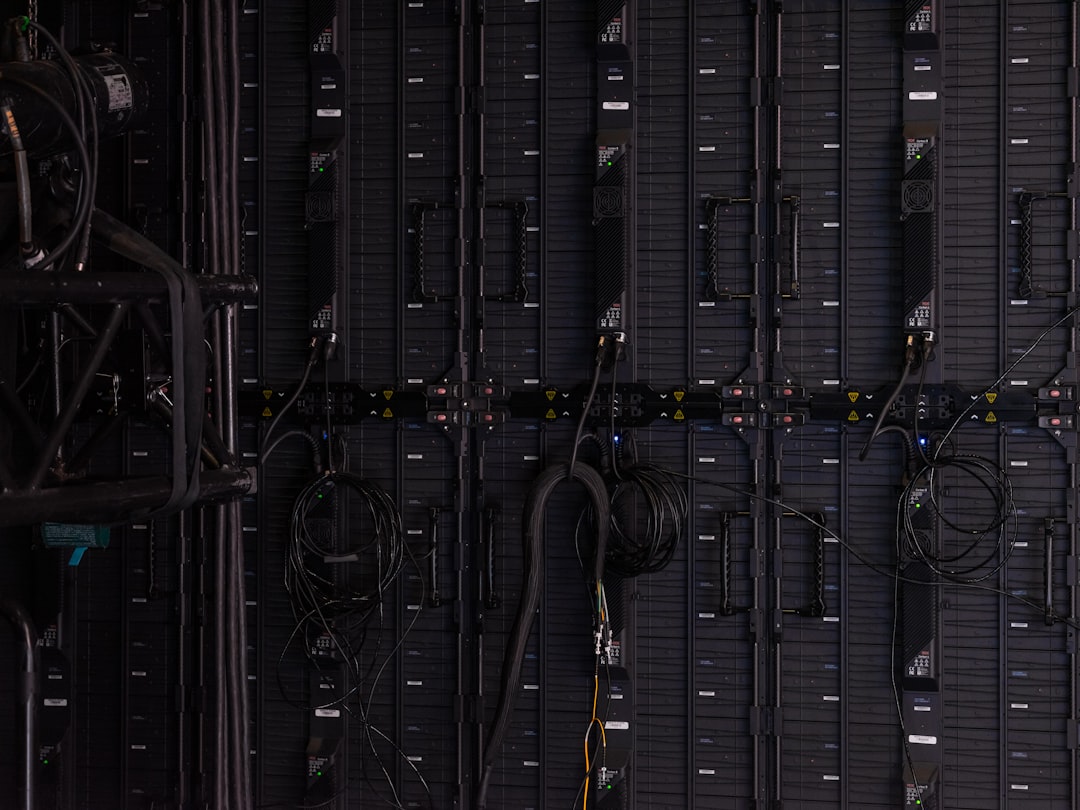
Data centers come in diverse forms, each designed for specific needs. From enterprise setups to hyperscale and edge facilities, here's why they matter.
Not all data centers are created equal. While they may all share the purpose of housing servers and ensuring optimal performance for computing infrastructure, the distinctions between types of data centers are significant. From their origins as modest server rooms to today’s sprawling hyperscale facilities powering the modern internet, data centers have evolved to meet specific business needs. Let’s break down the major types and their unique purposes.
From server rooms to enterprise data centers: where it all began
In the early days of computing, companies often used dedicated server rooms, also known as computer rooms, to house their internal servers. These were essentially small-scale, contained setups within an office building, sufficient to run applications and manage files. The excessive noise from cooling fans and the heat generated by servers led to the inclusion of purpose-built cooling systems and heightened attention to electricity needs. Over time, these evolved into what we now recognize as enterprise data centers.
Enterprise data centers are typically run exclusively by a single organization for storing and managing its internal data. Banks, large retailers, and other institutions often opt for this model for greater operational control and compliance with stringent security and regulatory standards. Today, enterprise data centers have grown larger, more efficient, and increasingly scalable.
Colocation data centers: shared infrastructure for growing businesses
As businesses grow beyond the capacity of modest setups, many turn to colocation data centers. These facilities lease out space to companies, allowing them to house their own servers. Colocation centers are a cost-effective solution for medium-sized enterprises, offering reliable infrastructure without the need to build and maintain an in-house data center. However, tenant companies remain responsible for managing, configuring, and upgrading their own equipment.
For many, this option becomes attractive when cloud computing costs, often billed monthly, start stacking up. A colocation center provides physical space at lower long-term costs than maintaining large cloud subscriptions. Medium-sized companies looking for a bridge between small-scale setups and full enterprise control often use this model.
Managed services data centers: outsourcing the complexity
For businesses that want hands-off management of their infrastructure, managed services data centers are an appealing choice. Companies like Equinix and OVH not only provide the physical space but take care of day-to-day operations, upgrades, and hardware maintenance for their clients’ systems. This service comes at a premium, but it relieves businesses of the technical responsibilities and ensures high levels of uptime and reliability. By offering tailored maintenance, they help enterprises that lack the in-house expertise to align their IT systems with modern infrastructure.
Cloud data centers: elastic computing for growing needs
Cloud data centers are the backbone of modern digital transformation. These facilities are managed by large providers like Amazon Web Services (AWS), Microsoft Azure, and Google Cloud. In this model, users do not own the physical hardware; instead, they lease computing resources remotely. The hallmark feature is elasticity, the ability to scale resources up or down depending on computing needs, making it ideal for scenarios like variable streaming demand or big data analysis.
One exceptional characteristic of cloud data centers is their flexibility. They enable technologies like virtualization, where one physical server acts as multiple virtual machines or combines servers for more demanding computations. This elasticity is critical for services like Netflix, which adjusts its capacity based on viewer demand. While these facilities can occur at various scales, the largest of them are often categorized as hyperscale data centers.
Hyperscale data centers: the behemoths of infrastructure
Hyperscale data centers, as their name suggests, operate on an almost unimaginable scale. These sprawling facilities cover significant square footage (some span hundreds of acres) and host thousands of servers to manage massive computing power. Many leading tech companies like Google, Amazon, and Meta run hyperscale setups to support everything from cloud availability zones to machine learning and AI processes.
These centers typically include a minimum of 5,000 servers and require immense energy. As noted in an International Energy Agency study, some hyperscale facilities consume upwards of 100 megawatts annually—a stark contrast compared to traditional data centers, which might require between 5 and 10 megawatts. Hyperscale isn’t just about size; these setups are purpose-built to serve singular organizations and are often heavily optimized for specific tasks, such as AI model training or ad analytics.
Edge data centers: reducing latency for real-time demands
On the other end of the spectrum are edge data centers, smaller facilities designed to process data closer to the end-user. Located at the "edge" of networks, these centers enable faster data transmission, reducing latency. Telecom providers use edge data centers to power real-time services like video streaming or online gaming, while industries like robotics and autonomous vehicles leverage them for real-time processing.
An edge data center’s proximity to users allows critical applications to operate within what experts call the "10 millisecond radius." In practice, this means processes like video analytics or smart factory operations can perform near instantaneously.
High-density and sovereign data centers: niche markets
Among emerging data center types, high-density data centers are making a mark. These facilities pack maximum processing capability within minimum space, pushing energy requirements to the extreme. While traditional setups consumed up to 10 megawatts, some high-density hyperscale projects exceed 100 megawatts.
Meanwhile, sovereign data centers are gaining traction as countries and companies seek greater control over their data. By operating within the jurisdiction of local laws, they aim to guard sensitive information against foreign interference. However, true sovereignty requires both the data center and its operator to align under the same jurisdiction—something that isn’t always guaranteed.
Uptime tiers: a universal ranking system
To manage performance expectations, the Uptime Institute developed a four-tier ranking system to classify data centers. These tiers measure reliability and resilience:
- Tier I: Basic capacity, suitable for small businesses, with no redundancy.
- Tier II: Some redundancy in power and cooling systems, offering higher uptime.
- Tier III: Robust redundancy capable of handling component failures without downtime.
- Tier IV: Fully fault-tolerant, offering the highest reliability and uptime.
Tiers not only ensure operational standards but serve as benchmarks for businesses investing in data centers for critical workloads.
Why understanding data centers matters
Data centers underpin the digital systems we rely on every day, whether that’s streaming content, browsing social media, or running industrial AI processes. Recognizing their diversity helps clarify why different setups exist to serve varied needs. While hyperscale facilities might dominate public conversation thanks to their sheer size, smaller setups like edge and modular centers are just as critical in their respective domains. As technology evolves, so too will the data centers — and their importance in modern society will only grow.
Staff Writer
Alex covers consumer electronics, smartphones, and emerging hardware. Previously wrote for PCMag and Wired.
Comments
Loading comments…


