The inconvenient truths of smart rings: form factor over function?
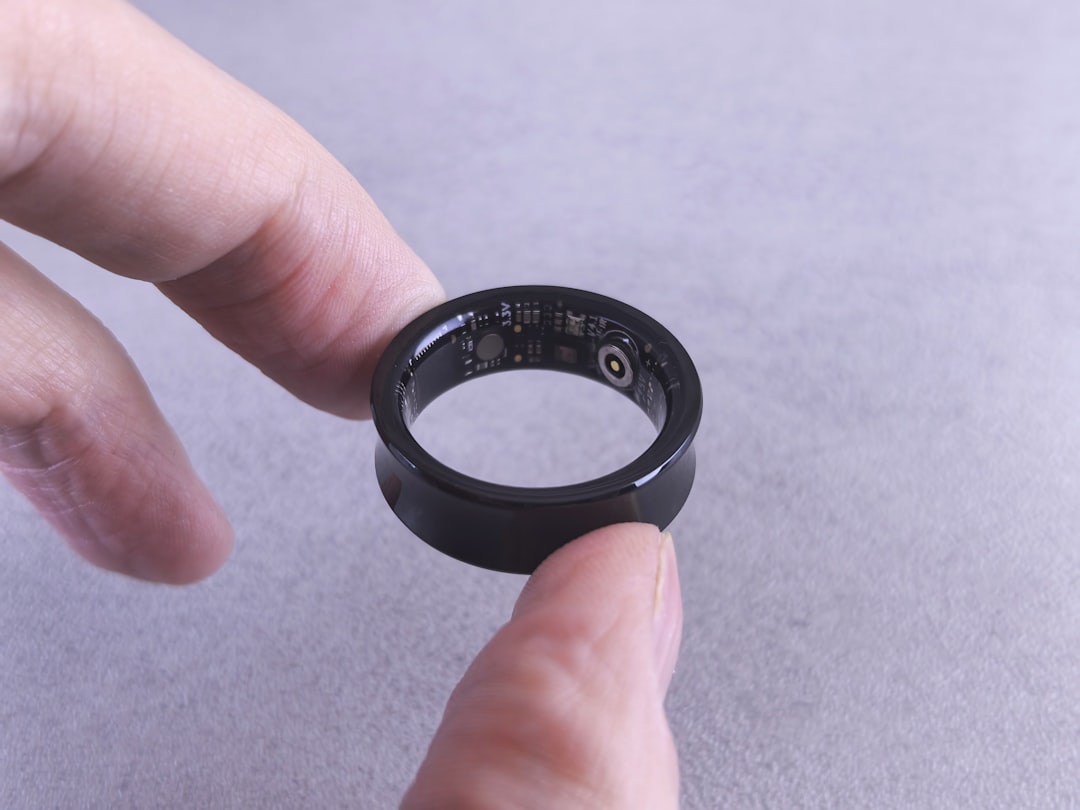
Smart rings promise screen-free health tracking elegance but face major engineering compromises. Do their limitations outweigh their benefits?
Smart rings like the rumored Samsung Aura and other recent entries promise a sleek, screen-free device that sits on your finger, delivering 24/7 biometric tracking. The allure is undeniable—a piece of titanium that dissolves into your lifestyle, as elegant as it is functional. Yet, beneath this polished exterior lies a series of trade-offs users should consider before investing.
Beauty at a cost: design compromises hurt accuracy
The core appeal of smart rings lies in their unobtrusive design, but compressing biometric sensors into a form factor as small as a piece of jewelry inevitably introduces limitations. Let’s start with the primary sensor that powers most biometric wearables: the photoplethysmography (PPG) sensor.
PPG works by shining light into your skin and measuring the variations in light reflected back. In hospitals, PPG sensors placed on the fingertips use a transmissive method with the light source and detector on opposite sides of the finger—this setup provides an unobstructed and highly accurate reading. Most consumer wearable devices, including smartwatches, use reflective PPG with the light source and detector placed on the same side. Reflective PPG is less accurate than transmissive methods because the signal is more prone to noise.
Smart rings add a twist to this equation: their sensors wrap around the finger, making them more akin to a hybrid approach called transflective PPG. This positioning potentially changes the way light travels through the skin, giving smart rings a slight signal advantage over smartwatches. However, their tiny size and the curvature of the finger undermine this edge. The sensor area is smaller, which in turn amplifies the signal-to-noise ratio by forcing the LEDs to work harder to maintain the same level of accuracy.
Small battery, big sacrifices
The design limitations of a smart ring aren’t just about its sensor placement. The minuscule size of the device also imposes significant battery constraints. For context, a Samsung Galaxy Watch Ultra packs a 590mAh battery. A yet-to-be-named Galaxy Ring or similarly designed wearable battery might offer between 17 to 22.5mAh. Even with duty cycling—where devices periodically collect data instead of continuously monitoring—this small battery simply cannot offer the same depth of tracking as a smartwatch or medical-grade devices.
Duty cycling means that data points aren’t collected in real-time. Instead, devices interpolate the gaps between readings to create the appearance of continuous tracking. This compromise can be particularly frustrating during high-movement activities like exercise, where accurate tracking is most crucial. For instance, while running or lifting weights, the motion can scramble the signal, adding another layer of inaccuracy.
A DIY experiment by Franklin Research Lab demonstrated how intense the power demands for tracking are: their custom-built smart ring only lasted 4 to 6 hours during constant use. Continuous tracking for a week—as marketed by consumer devices—would theoretically require swapping rings every few hours, making the average claim of seven days with minimal recharging more about selective sampling than genuine endurance.
The challenges of real-world use
Beyond battery and sensor limitations, smart rings run into other design hurdles tied to their placement on the body. Fingers are rich in arteries and veins, which makes them a good choice for tracking changes in blood flow, but this vascular density is also a double-edged sword. Cold temperatures can lead to vasoconstriction, reducing blood flow to the fingertips and compromising the PPG signal. This means wearing a smart ring in an air-conditioned office or during a winter morning jog might yield wildly inaccurate data.
Grip pressure also poses a unique problem for ring-based wearables. A user gripping a dumbbell, steering wheel, or bike handlebars puts pressure on the finger’s capillaries, which disrupts the PPG reading entirely. These motion artifacts result in spikes in the data, often causing the device to discard entire segments of information. Studies show that up to 70% of heart rate variability readings might be unusable due to these artifacts. While AI-driven signal reconstruction efforts are underway, they are far from universally implemented.
Sleep tracking: where smart rings shine
Despite these drawbacks, smart rings have found their niche: sleep monitoring. Fingers stay relatively still when you’re asleep, allowing the sensors to perform at their best. Rings from brands like Oura claim nearly medical-grade accuracy for resting heart rate measurements, with a claimed .999 correlation to ECG equipment. That’s impressive, though the catch is that these results rely on a stationary user base—most validation studies involve sedentary participants at rest.
The convenience of sleeping with a lightweight ring rather than a bulky smartwatch shouldn’t be discounted, especially if the goal is to track basic nighttime metrics such as heart rate and overall sleep duration. However, more complex variables like heart rate variability (HRV) depend on continuous beat-to-beat tracking and thus fall victim to the same data gaps that impact general activity measurements.
Algorithms, subscriptions, and proprietary scores
Most consumer-focused health rings also boil down raw data into proprietary ratings like stress scores, sleep quality scores, or readiness indices. While these metrics gamify the tracking experience, they often lack transparency. What does a stress score of 80% mean in concrete health terms? How much real medical value do these calculations provide? It’s worth asking these questions, particularly given the ongoing trend of locking premium features behind monthly subscription paywalls, perpetuating long-term costs hidden beneath an already significant upfront price tag for the device itself.
The broader context of wearables
Smart rings are undoubtedly a marvel of miniaturization, but users should understand that the trade-offs exist at every level—from the accuracy of the sensors to battery limitations and environmental factors affecting readings. While they offer advantages such as comfort during sleep and lower-profile daily wear, their form factor inherently limits their usability in active scenarios.
These devices excel in specific contexts—tracking resting vitals—but any broader claims of all-day accuracy or fitness optimization should be taken with a grain of salt. For now, users will need to choose between the convenience of subtle wearables like rings and the comprehensive tracking provided by larger devices like smartwatches. The tech-savvy user will find a smart ring more of an augmentation, not a replacement, for more robust, continuous monitoring systems.
Staff Writer
Alex covers consumer electronics, smartphones, and emerging hardware. Previously wrote for PCMag and Wired.
Comments
Loading comments…


