The ink poster turns digital art into something that looks like real paper
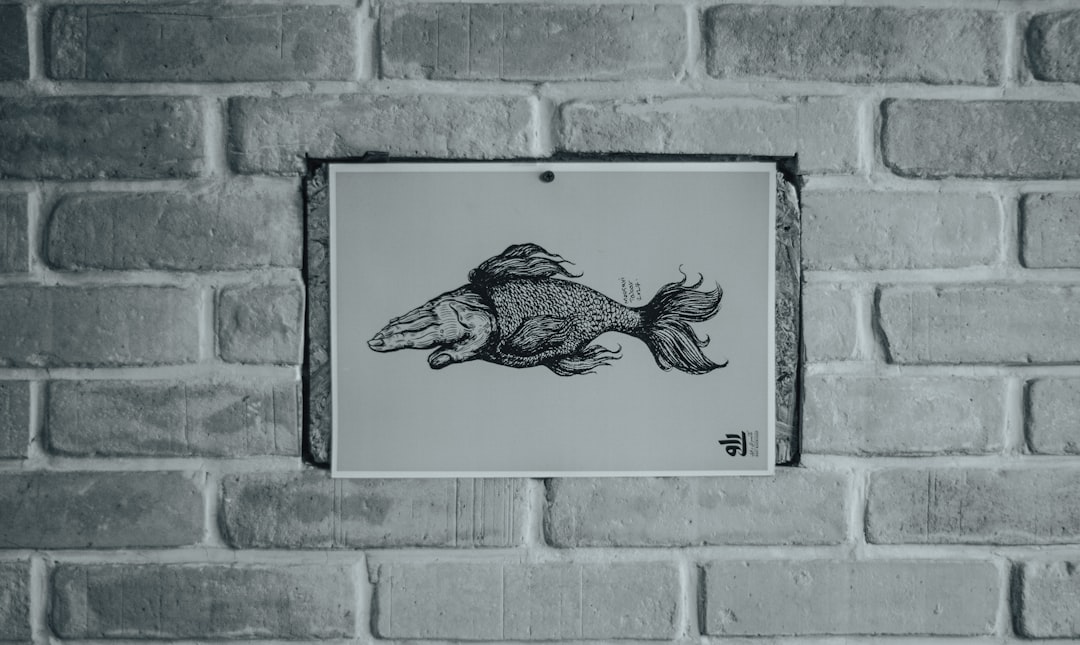
A Swiss company’s new E Ink display uses Spectra 6 and Sharp EXO tech to deliver a no-glare, no-blue-light art frame that runs for a year on a charge.
For years, digital picture frames have promised to replace the prints on your wall, but they’ve always come with a compromise: a glowing rectangle that looks nothing like paper. A new device called the ink poster, made by a Swiss company, aims to fix that by building the entire experience around E Ink’s latest color panel technology. After seeing it in action, I can report that it is one of the most convincing reproductions of physical artwork I have ever seen, and it solves the biggest problems that have kept digital frames out of serious living rooms.
The key is what the company calls E Ink Spectra 6, combined with Sharp EXO technology. In plain English, that means the screen reflects ambient light instead of emitting its own. There is no backlight, no glow, and no harmful blue light. The result is a surface that looks flat and matte, almost indistinguishable from ink on paper. Glare, which ruins the experience with most LCD-based frames, is virtually nonexistent. You can place the ink poster anywhere in a room, even directly across from a window, and the image remains clear and natural.
The display also produces no noise — no fan, no hum, no electrical buzz. And because it consumes power only when the image changes, a single charge can last up to one year. That means you can hang it on a wall with no visible wires, no power outlet nearby, and no worry about battery life for an entire year. The company has designed the frame to be swapped out or moved easily, letting you treat it more like a real poster than a piece of electronics.
Specs and sizing
The ink poster comes in four sizes. The smallest is a 13-inch version for cozy spaces like a desk or a narrow hallway. The model I examined is 28.5 inches, with a resolution of 2160 x 3060 pixels — roughly the same density as a premium tablet, but on a much larger surface. There is also a 31.5-inch variant for larger walls, and at the top end, a 40.5-inch version that the company claims is the largest color electronic paper art frame ever created. The 40.5-inch model matches the A1 paper standard, which is the size used for many fine art prints and architectural drawings.
All models use a slim aluminum chassis. The frame itself is constructed from high-quality materials, and the overall look is clean and minimal, designed to blend into modern interiors. The company is Swiss, and the build quality reflects that: precise, understated, and durable.
How it works
You send artwork to the frame through a companion app — the source material mentions the ability to change the displayed image based on mood, season, or family moments. Because the display draws no power when static, you can cycle through a playlist of images without draining the battery significantly. The absence of blue light means you can safely put the frame in a bedroom, where a conventional screen would disturb sleep patterns or cast an unpleasant glow.
The experience is fundamentally different from an LCD or OLED digital frame. Those emit light, which creates a sense of depth and can make an image look like a miniature TV rather than a framed print. The ink poster does the opposite: it sits flat against the wall, catches the room’s light, and reads like a high-quality poster or a watercolor. The colors in Spectra 6 are more saturated than earlier generations of color E Ink, but they remain muted compared to what a phone screen can produce. That is the point — art prints on paper are not backlit, and neither is this display.
Context and comparison
The digital picture frame market has existed for decades, but it has never truly arrived. A 2023 survey from the Consumer Technology Association found that fewer than 15 percent of U.S. households own one. The reasons are obvious: cheap frames have terrible color, expensive ones still look like monitors, and the cables ruin the illusion. Products like the Google Nest Hub can double as a photo frame, but they are still bright, backlit devices that are clearly screens.
E Ink based frames have existed before, notably from companies like Visionect and Dasung, but they have mostly targeted signage or productivity. The ink poster is aimed directly at the home decor market, with a focus on size, appearance, and battery life that removes the friction points. At 40.5 inches, it competes with real poster frames and large prints — a category that has no serious digital alternative until now.
The obvious limitation is that it is a still image display. It cannot play video or animate its content, which is fine for art but means it cannot double as a notification board or a weather display. The target user is someone who wants to rotate their wall art without having to print, frame, and store physical posters. For that use case, the ink poster might be the most elegant solution yet.
Who benefits
Anyone who rents a home and does not want to nail posters to the wall will appreciate being able to hang a single frame and change the art whenever you like. People who collect digital art from platforms like Foundation or SuperRare now have a display that does justice to the work — no glare, no backlight washing out dark tones. Interior designers who stage rooms can program a frame to match the season or the color scheme of a listing. And parents who want to display children’s drawings without accumulating piles of paper can cycle through them digitally while keeping the look of real paper.
What’s next
The company has not announced pricing or a release date yet — the source material is from a demonstration — but the technology is clearly mature enough for production. The 40.5-inch size will be the headline act, but the 28.5-inch version seems like the sweet spot for most walls. If the price lands below a few hundred dollars, the ink poster could do for framed art what the Kindle did for books: make digital feel closer to physical than ever before.
We will cover the launch details as soon as they are announced. For now, this is the most convincing digital art display I have seen, and it finally makes good on the promise that digital picture frames have been making for twenty years.
Staff Writer
Alex covers consumer electronics, smartphones, and emerging hardware. Previously wrote for PCMag and Wired.
Comments
Loading comments…


