The rise of affordable laser technology: opportunities and risks
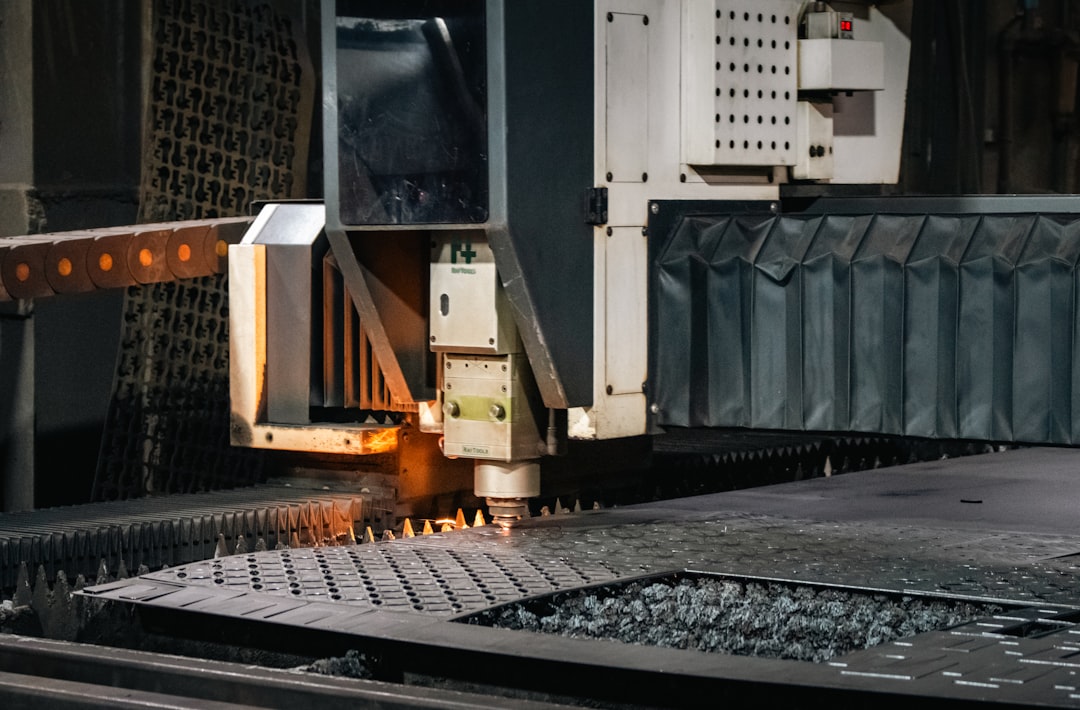
Lasers, once a luxury in manufacturing, are now 20x cheaper, offering transformative benefits but also presenting significant risks.
The industrial laser cutter and welder, a once-exclusive piece of equipment reserved for high-end manufacturing, has dramatically dropped in price. Machines that cost over $100,000 just five years ago are now available for as little as $5,000. These affordable tools, like the XTool laser welder and cutter, are ushering in new opportunities for manufacturers and hobbyists alike while introducing a range of new safety challenges.
What the XTool laser brings to the table
The XTool laser is a versatile machine, capable of both cutting and welding metals, and can integrate seamlessly with CNC (Computer Numerical Control) systems. As a dual-use tool, its flexibility is highlighted by two key modes:
- Handheld Laser Gun: This allows users to cut freehand. The gun delivers enough power to cut steel up to 10 mm thick and aluminum up to 4 mm thick. It’s portable and ideal for detailed manual tasks.
- CNC Compatibility: By slotting the same laser gun into a CNC enclosure, the machine can perform computer-controlled cutting and welding. This significantly enhances precision and minimizes human error.
The XTool’s affordability does not mean a compromise in quality. It features up to 10,000 hours of laser operation, a 24/7 duty cycle with no runtime cooldown required, and pre-programmed settings for materials like stainless steel, galvanized steel, aluminum, and brass. This makes it practical for projects ranging from heavy-duty manufacturing to hobbyist endeavors.
Breaking down the cost barrier
The dramatic reduction in the price of laser cutting and welding systems is notable. Five years ago, such CNC-compatible machines required an investment upwards of six figures. Today, this cost has plummeted to $5,000, a staggering twentyfold decrease. This democratization of laser technology places advanced tools in the hands of smaller businesses and even individual creators.
From an economic perspective, this breakthrough has the potential to revolutionize manufacturing at multiple levels. Independent workshops, small factories, and even DIY innovators can now access powerful equipment previously reserved for major corporations. The adoption of these systems can cut costs further by enabling on-site, just-in-time manufacturing, eliminating outsourcing, and reducing material waste.
The dangers of lightweight lasers
Yet the same power that makes these machines so transformative is also what makes them incredibly dangerous. The XTool laser cutter/welder operates at approximately 240,000 times the intensity of a consumer-grade laser pointer. This immense energy is useful for metalwork but can cause irreversible damage in an instant. Safety precautions are not optional—they are imperative.
For instance, the video detailing the XTool's capabilities showed how even a momentary lapse in safety awareness can cause serious injury. During a welding demonstration, a stray laser beam burned through a glove and inflicted a second-degree burn on an operator. Though the exposure was incredibly brief, the laser penetrated not just the glove but layers of skin—a testament to its raw power.
This incident underscores the importance of working within a controlled, enclosed environment. The laser can cause reflections strong enough to damage eyesight permanently. Operators must use tools such as safety glasses, face shields, or enclosed CNC runs to mitigate these risks. Without these protective measures, even brief exposure to the laser's beam could result in blindness or severe burns.
Real-world applications
Despite the risks, the potential benefits of systems like the XTool laser are immense. The machine’s precision and efficiency lend themselves to a wide range of applications:
- Fabrication: Whether cutting signage from steel or crafting intricate designs in aluminum, the XTool produces clean edges and fine details without requiring extensive post-processing like brushing or polishing.
- Prototyping: Small-scale manufacturers can use the machine to quickly develop prototype components at a fraction of the cost of traditional methods.
- Custom Manufacturing: Businesses like wheelchair factories can work on entirely new construction methods. The XTool promises tighter control over production timelines by supporting custom designs and accommodating quick adjustments.
- Educational Innovation: Tools like this lower the barrier for CAD (Computer-Aided Design) learners to transition from digital drafting to physical creation. When paired with software such as SolidWorks, teams or individuals can bring concepts from screen to reality with precision.
A focus on time-saving efficiencies
The XTool laser welder isn’t just about affordability; it’s also a major asset for efficiency. In manufacturing, time equals money. This machine’s ability to laser-weld intricate seams faster than traditional TIG welding could significantly reduce production times for complex projects. For example, in the assembly of off-road wheelchairs, the laser-welding function could streamline the production of battery boxes and frame components.
At the same time, the technology has its limitations. The concentrated heat reduces warping during welding and cutting tasks, making it suitable for materials like thin sheets of steel or aluminum. However, the machine may struggle with thick metal pieces that require extensive filling. In such cases, traditional MIG or TIG welding methods remain unavoidable.
Crafting accessible manufacturing tools
Beyond factory uses, the universal affordability and versatility of these lasers open creative possibilities. Producing items such as customized sample boxes for clean energy drink kits or crafting collector’s items demonstrates the utility beyond industrial use. Creative manufacturing of this sort highlights just how far technology can stretch hobbyist budgets. High-capacity equipment like this brings DIY creators closer to replicating high-end factory results from their own workshops.
A turning point for laser tools
Although highly advanced laser technology is no longer prohibitively expensive, it comes with responsibilities. Operators have access to immense cutting and welding power, but they also shoulder the burden of rigorous safety practices. Systems like the XTool may be transformative in scope and practicality, but users must handle them with extreme care—both to protect themselves and their surroundings.
As prices continue to fall and technology advances, tools like these will likely find their way into even more industries, hobbyists' labs, and classrooms. Exciting times lie ahead, but they come with the need for ongoing education and vigilance.
Staff Writer
Sarah reports on laptops, wearables, and the intersection of hardware and software.
Comments
Loading comments…


