Why RFK Jr. is championing wearable technology and its implications
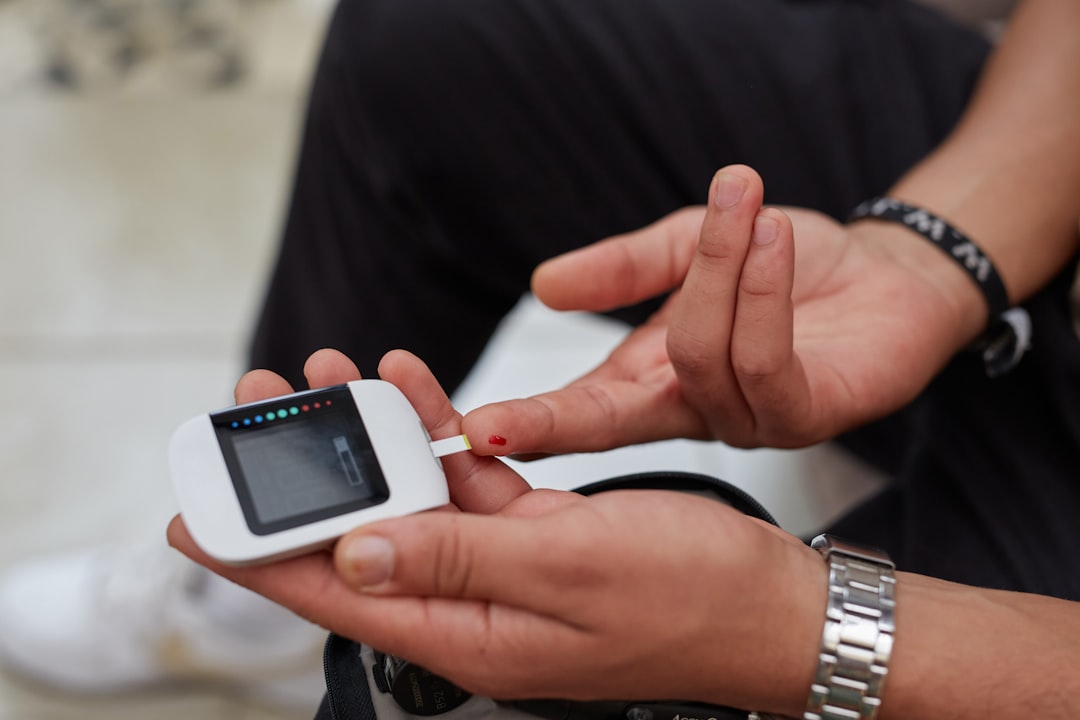
RFK Jr. sees wearable devices like CGMs as central to empowering individuals to make healthier lifestyle choices, mixing tech, diet, and ideology.
Robert F. Kennedy Jr., a controversial political figure and outspoken critic of many mainstream scientific and medical practices, has recently turned his attention to wearable technology as a platform for advancing his ideas around health and personal choice. In particular, he has zeroed in on continuous glucose monitors, or CGMs, framing them as revolutionary tools that can equip individuals with the data needed to make healthier decisions about their diets and overall lifestyles. While his comments have sparked interest and debate, they also underscore how health tech, diet culture, and ideology are intersecting in striking ways.
What RFK Jr. is saying about wearables
RFK Jr. has positioned wearable technology as a cornerstone of what he describes as a broader "movement" for personal health empowerment. During a recent discussion, he emphasized the unique role of CGMs in this vision. These devices, which continuously measure blood glucose levels, allow users to monitor the impact of specific foods, physical activities, and other lifestyle choices on their bodies in real time. According to RFK Jr., wearable devices provide people with actionable insights, making it easier for them to make informed decisions about their diets and behaviors. "They can see...what food is doing to their glucose levels, their heart rates, and a number of other metrics," he said, arguing that such visibility is key to optimizing health on an individual level.
But where RFK Jr.'s rhetoric takes a turn is in its political and ideological framing. For him, wearable tech is not just a helpful tool—it’s part of a larger narrative challenging the mainstream food, health, and pharmaceutical industries. For instance, he has controversially claimed that there is a "war on protein," even though no scientific evidence supports this assertion. This type of rhetoric reflects the intertwining of wearable technology with broader ideological battles.
The rise of continuous glucose monitors (CGMs)
To understand RFK Jr.'s enthusiasm about CGMs, it's crucial to know what these devices do. Originally designed for people with diabetes, CGMs have gained popularity among health-focused individuals who don’t have a medical diagnosis. These devices attach to the skin and measure blood sugar levels throughout the day, providing users with a detailed picture of how their body responds to food, exercise, and other factors. The data is typically accessible through smartphone apps, where users can track trends, receive alerts, and even get advice tailored to their biology.
In the context of the wearable tech market, CGMs fit into a broader trend of highly personalized health tools. Devices like smartwatches that track heart rate variability and sleep quality already offer a window into overall wellness, but CGMs take this concept further by focusing on metabolic health, which is increasingly seen as a key indicator of long-term well-being.
Linking ideology to technology
What makes RFK Jr.'s stance notable is how he links these technological tools to his broader critiques of industry and government. For instance, he has criticized large food corporations and health authorities for promoting diets and policies that he believes contribute to poor health outcomes. In this context, wearable technology becomes a tool for resisting these influences, enabling individuals to "take back control" of their health.
This perspective aligns with a growing segment of the population that views health tech not just as a convenience but as a form of empowerment. Apps like Garmin's AI nutrition chatbot or ladder’s strength-training app already integrate wearables into personalized wellness plans, advising users on everything from protein intake to workout routines. However, RFK Jr.'s framing goes a step further by tying these recommendations to controversial claims, such as a supposed "war on protein.” Experts have pointed out that this claim lacks scientific backing, but it offers insight into how health ideology and tech adoption can intersect.
The role of Washington in shaping wearables
Technology and ideology don't exist in a vacuum. RFK Jr. acknowledges that discussions in Washington about health, food policy, and technology heavily influence the evolution of wearables. For example, regulatory decisions regarding data privacy, medical certifications, and nutritional guidelines can impact how these devices function and what information they provide. Legislative conversations surrounding AI, like those affecting chatbots in Garmin's or ladder's fitness ecosystems, further highlight how political priorities shape the user experience.
At the same time, RFK Jr.'s promotion of wearables could end up bolstering bipartisan interest in these technologies. While his rhetoric may be divisive, the emphasis on tools like CGMs might spur discussions among policymakers about accessibility, affordability, and equitable adoption of health tech solutions.
Strengths and limitations of wearable tech
Wearable technology undoubtedly offers significant potential for promoting healthier lifestyles. Tools like CGMs can provide unprecedented insight into how one's body functions, enabling users to optimize their diets and physical activity. The broader ecosystem of health tech—ranging from AI-powered coaching apps to fitness trackers—has already proven impactful for many users.
However, there are important caveats to the vision RFK Jr. paints. For one, wearable technology may not be accessible to everyone. High upfront costs and ongoing subscription fees for data services could make these tools out of reach for lower-income individuals, exacerbating health inequities. Additionally, over-reliance on wearable data could lead some users down a rabbit hole of micromanaging their health, potentially fostering unhealthy obsession or anxiety.
Finally, CGMs and similar devices are only as reliable as the data and interpretations they provide. While RFK Jr. may emphasize the autonomy wearable users gain, the algorithms behind AI-driven nutrition or fitness advice come with their own set of biases and inaccuracies. Users should exercise caution and consult healthcare professionals when interpreting device-generated insights.
Conclusion: A tech-driven health future, complicated
RFK Jr.'s embrace of wearable technology offers a glimpse into a future where health and technology are ever more intertwined. Devices like CGMs have the potential to reshape how individuals approach their well-being, putting unprecedented amounts of personal health data directly into their hands. However, their role as ideological tools, as RFK Jr. envisions them, adds a layer of complexity that is likely to fuel debate for years to come.
For tech enthusiasts and skeptics alike, the conversation RFK Jr. has ignited serves as a reminder that wearable technology is not just about innovation—it’s about who guides that innovation, who benefits, and how society chooses to embrace it.
Staff Writer
Sarah reports on laptops, wearables, and the intersection of hardware and software.
Comments
Loading comments…


