Why Smartphone Prices Are Set to Climb in 2026
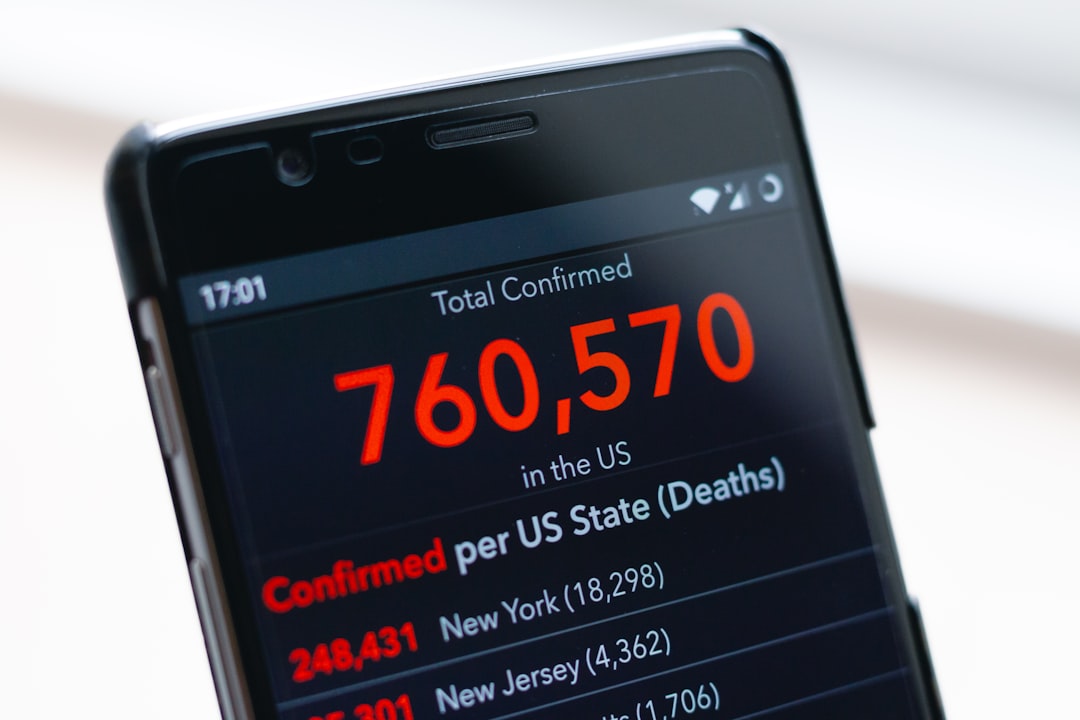
The rise in smartphone prices, driven by AI demands and memory costs, is set to impact budget and mid-range segments in 2026.
Smartphone enthusiasts and budget-conscious consumers alike are facing troubling news: smartphone prices are expected to rise significantly in 2026. This surge is particularly concerning for the budget and mid-range segments, where affordability has been a key strength. According to the video by the presenter from Technical Guruji, the price increases stem from numerous factors, most notably the growing integration of artificial intelligence (AI) and its impact on the supply chain.
The Evolution of Smartphone Pricing
To understand the current trends, it's crucial to look at how the smartphone market has evolved over the years. Around 2017 and 2018, budget-friendly phones were easily available in the $150-$200 range, offering excellent value for money. These devices came equipped with competitive specifications, making technology accessible to a broad audience. However, several factors, including the COVID-19 pandemic, changed this dynamic.
The pandemic disrupted global supply chains, increasing manufacturing and logistical costs. Despite the market stabilizing somewhat in recent years, the rise of AI-driven technologies has created a new challenge, fundamentally altering production costs.
Why AI Is Driving Up Costs
Artificial intelligence is undoubtedly revolutionizing smartphones. From enhanced camera algorithms to real-time translations and advanced user experiences, AI is becoming integral to modern devices. Yet this integration comes at a cost. AI-driven software requires significant computational power, which is enabled through advanced memory modules and processors. With demand for these components soaring, while supply remains constrained, manufacturers are paying a hefty premium for memory technologies.
The video highlights that the memory requirements for supporting AI features are at the core of this issue. As AI processing grows more complex, smartphones require higher-capacity RAM and storage. However, the production of these advanced memory chips has not scaled to meet demand. Supply constraints lead to higher production costs, which are then passed along to consumers.
Supply vs. Demand: The Critical Issue
The mismatch between supply and demand creates a ripple effect across the industry. Smaller brands, which lack the extensive supply chain networks of giants like Apple, are particularly vulnerable. These companies already operate with small profit margins and cannot absorb the rising production costs, forcing them to either reduce specifications or increase prices.
Larger companies with robust supply chains can better weather these changes, but mid-tier manufacturers, which produce most budget and mid-range phones, are struggling. As a result, devices in the $200-$400 range are likely to bear the brunt of price increases.
Impact on Budget and Mid-Range Markets
For consumers who rely on budget or mid-range phones, the outlook is bleak. Devices with price tags under $150, once the cornerstone of accessible technology, are rapidly disappearing. The presenter notes that even phones priced around $250-$300 today are no longer providing the same value as before. Reduced RAM, diminished storage options, and fewer premium features are becoming the norm, as manufacturers cut corners to balance costs.
Some brands may also resort to greater reliance on virtual RAM—a feature that allows devices to use storage as temporary memory. While this can enhance performance on paper, it is not a true substitute for native high-capacity RAM.
Premium flagship phones, which already operate in a high-price bracket, will also see incremental price hikes. However, consumers in this segment may still find the added features justifiable. Conversely, mid-range buyers are likely to feel the greatest pinch, as they receive fewer specifications for higher prices.
Recommendations for Smartphone Buyers
What does this mean for consumers planning to buy a smartphone? According to the presenter, now might be the best time to purchase a new device. Price hikes are inevitable in the coming months, and the deals and specifications currently available may not last much longer. Here are key takeaways for buyers:
- Research Your Options: Compare prices and specifications thoroughly before making a purchase. Look for features like RAM, storage capacity, and processors to ensure long-term usability.
- Consider Current Models: If you're eyeing a budget-friendly phone, buying sooner rather than later could save you money.
- Plan for Longevity: Invest in a device that will remain functional for several years. Consider spending slightly more for a phone with better memory and processing power to avoid feeling outdated too quickly.
The Road Ahead for the Smartphone Industry
The ongoing price increases are unlikely to stabilize in the near term. As AI continues to permeate every field, its demands on hardware will only grow stronger. The presenter predicts that this trend will continue for at least 10-12 months before any significant relief becomes likely.
Smaller smartphone brands are most at risk of being priced out of the market entirely, leading to greater industry consolidation. Consumers may also witness a sharper divide between high-end and budget-friendly options, with the mid-range sector shrinking further.
For now, the affordability of smartphones—a feature that once revolutionized the industry—may be a thing of the past. Whether companies can innovate their way out of these challenges, through supply chain improvements or cost-effective AI implementations, remains to be seen.
FAQ
Why are smartphone prices increasing in 2026?
Smartphone prices are increasing due to higher memory costs driven by AI integration, constrained supply chains, and rising demand for advanced components.
How will budget phones be affected?
Budget phones, once priced below $150, are becoming scarcer. Price hikes and downgraded specifications are likely in this segment.
What can consumers do to avoid higher prices?
Consumers should consider purchasing their next smartphones as soon as possible, before the full impact of price increases is felt. Comparing specifications and planning for the long term can help maximize value.
Are flagship smartphones affected?
Yes, flagship phones will also see price increases, but their added features and strong supply chains mean consumers may find the hikes more justifiable.
How long will these trends last?
The impacts of AI and memory constraints are expected to influence pricing for at least the next 10-12 months.
The trajectory of smartphone pricing underscores the complex relationship between innovation and accessibility. As AI continues to expand its influence, the choices consumers make today may shape how the industry evolves in 2026 and beyond.
Staff Writer
Alex covers consumer electronics, smartphones, and emerging hardware. Previously wrote for PCMag and Wired.
Comments
Loading comments…


