How AI-Driven Misinformation and Fake News Are Impacting Mental Health
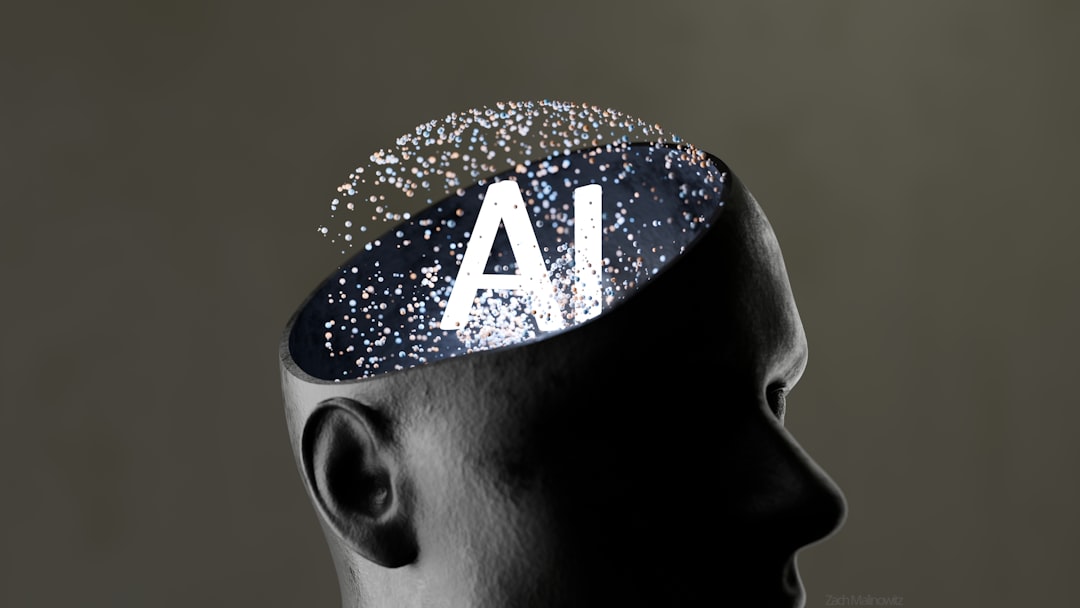
AI's ability to create fake content has destabilized trust, leading to increased anxiety and strained relationships. Here's how it impacts mental health.
The Unseen Impact of AI and Fake News on Mental Health
Artificial intelligence (AI) is no longer confined to tech circles or futuristic speculation. From deepfakes to AI-generated voices, this technology is reshaping not just how we consume information but how we perceive truth itself. With its ability to fabricate events, clone voices, and create hyper-realistic images, AI is eroding trust in what we see online. The fallout isn't just societal or political—it’s deeply personal, impacting the mental health of countless individuals.
The Your Life Matters Show podcast recently explored how AI-generated misinformation is affecting people's mental well-being. Hosts Steve Hodgson and Dr. Eric L. Davis, a licensed psychotherapist, discussed how digital misinformation influences anxiety, relationships, and emotional stability. Here's what we learned.
Why AI-Generated Misinformation Feels So Dangerous
AI's ability to create fake yet convincing content raises a critical question: how do we discern fact from fiction? As Dr. Davis pointed out, “The human brain is wired to look for stability and predictability. When those foundations feel shaky, stress and anxiety increase.”
Erosion of Trust
Online misinformation isn't just annoying—it erodes trust across multiple layers of society. From media outlets to personal relationships, AI’s role in creating easily shareable yet misleading content has caused widespread uncertainty. Trust deficits especially affect:
- Families: When relatives disagree over what's true, it often leads to arguments and emotional distance.
- Communities: Fake content targeting ideological divides fracturs previously cohesive groups.
- Personal Stability: Constantly questioning the authenticity of everything fosters ongoing stress and restlessness.
“We’re hearing more people say, ‘I don’t know what to believe anymore,’” Hodgson reflected. That uncertainty carries significant emotional weight.
The Neurological Toll of Digital Chaos
When individuals consume conflicting or false information repeatedly, it’s not just frustrating—it triggers the brain's threat response system. Dr. Davis explained, “Our nervous system prefers predictability. Without it, the body remains on high alert, which can lead to chronic anxiety, irritability, and emotional dysregulation.”
The Cycle of Anxiety
Prolonged exposure to fake news or manipulated content wears down the brain’s capacity to regulate stress. Over time, this can lead to:
- Burnout: The brain becomes less efficient at filtering between what’s real and what’s fabricated.
- Trauma: Repeated exposure to alarming misinformation cultivates fear and confusion.
- Long-term Anxiety: Chronic digital misinformation exposure rewires the brain to expect instability, perpetuating cycles of stress.
Outrage as a Digital Addictive Loop
Another challenge posed by AI misinformation is how it amplifies outrage online. Outrage thrives on emotional certainty or moral clarity, both of which are particularly compelling in today’s divided social climate. Dr. Davis pointed out, “Algorithms reward moral outrage by amplifying it. That creates classical conditioning for individuals to keep engaging in outrage-driven conversations.”
Outrage not only feels energizing but also addictive, as users find validation and belonging in emotionally charged online communities. Over time:
- Social Division Intensifies: Outraged individuals are less likely to seek common ground.
- Stress Increases: Regular outrage takes a physical and mental toll, keeping users chronically on edge.
- Trust Disintegrates: Even trusted sources feel suspect, creating general mistrust.
Social Media’s Silent Role
Platforms like YouTube, Instagram, and Facebook exacerbate the issue through tailored algorithms. By feeding users content aligned with their interests—or deliberately designed to provoke outrage—these platforms keep engagement high, regardless of whether the engagement is positive or negative. Hodgson noted, “Algorithms throw more of the same content at you, whether you love it or it infuriates you.”
This algorithmic feedback loop turns platforms into echo chambers, making it harder for users to encounter differing perspectives. When misinformation thrives in these bubbles, the results are fractured relationships and even more mistrust.
Practical Strategies to Combat Misinformation Fatigue
While we can’t stop technology's rapid evolution, there are steps individuals can take to mitigate its impact on their mental health:
1. Scrutinize Content Before Sharing
- Look for metadata or abnormalities in AI-generated images.
- Cross-check information with trusted sources before reposting.
2. Limit Social Media Consumption
- Take regular breaks from platforms to reduce exposure to stressful or false content.
- Use tools to track screen time and manage digital activity.
3. Foster Real-Life Connections
- Spend time with friends or engage in offline hobbies to counteract the isolating effects of digital media.
- Discuss media content with others to gain broader perspectives.
4. Engage With Media Mindfully
- Avoid doomscrolling, the habit of consuming an endless stream of negatively charged news.
- Focus on verified, comprehensive reporting instead of attention-grabbing headlines.
5. Seek Support When Needed
- If feelings of anxiety, mistrust, or uncertainty become overwhelming, consider professional mental health counseling.
- Remote therapy options, such as those offered by Way Post Counseling, provide users with easy access to support without leaving home.
The Road Ahead: Adapting to an AI-Driven World
The Your Life Matters Show podcast concluded that while the tech revolution fueled by AI is unstoppable, individuals retain the power to shape their mental health responses. “We can’t control technology’s evolution, but we can control how we respond to it,” Dr. Davis emphasized.
Building resilience requires balancing digital consumption, maintaining skepticism about the content we encounter, and cultivating emotional awareness. By doing so, individuals can protect their mental health in an increasingly AI-mediated world.
Staff Writer
Maya writes about AI research, natural language processing, and the business of machine learning.
Comments
Loading comments…


