Is AI's Explosive Growth in 2025 Driving a Bubble?
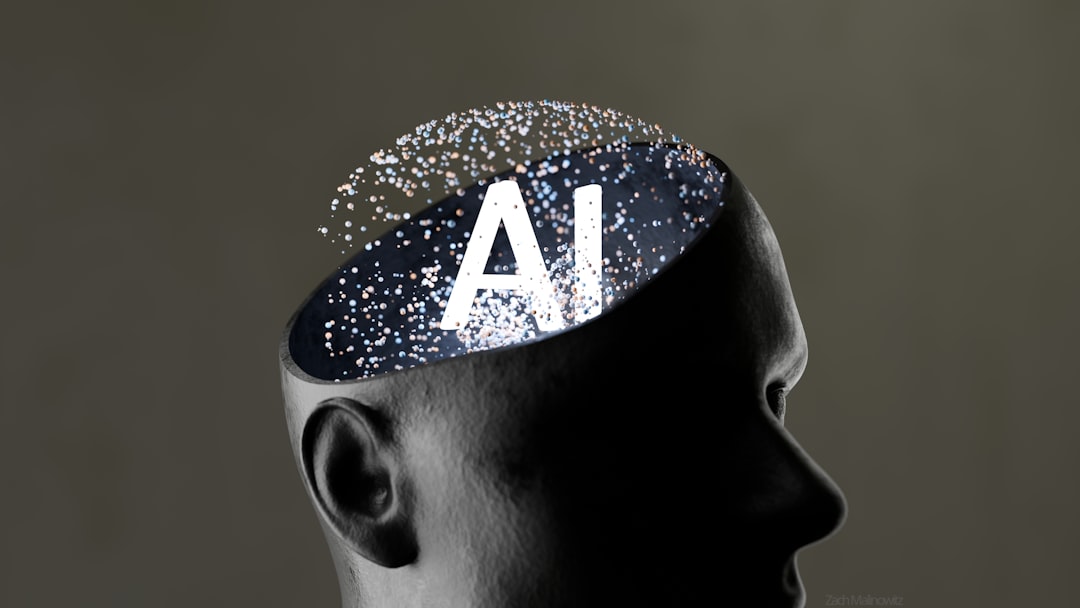
AI investments have skyrocketed in 2025, with companies like Nvidia reaping massive profits. But is the AI boom sustainable, or are we in a bubble?
In 2025, artificial intelligence (AI) has taken center stage as one of the most transformative technologies driving global economic and technological growth. According to recent discussions, the financial commitment to AI has exceeded even the historic investments in projects like the Manhattan Project and the Apollo space missions. While some hail this as a generational opportunity, others warn of a potential bubble that may have unsustainable long-term implications.
Nvidia Leads the AI Profit Boom
The surge in AI-driven investments has significantly benefited tech companies, with Nvidia being a prime example. The graphics processing unit (GPU) manufacturer reported record-breaking revenue gains of $32 billion, marking an astonishing 65% growth in just one year. Nvidia develops the specialized chips necessary to power AI models, which has made the company a linchpin in the AI ecosystem.
While only a handful of companies are currently experiencing massive profits, the overall AI market could reshape various sectors of the economy, from healthcare to corporate operations. For instance, generative AI tools like ChatGPT, which launched three years ago, are increasingly helping professionals automate tasks such as transcribing meetings or improving internet searches. Accelerating these trends is Silicon Valley’s ongoing investment in data centers, which are essential for scaling AI technologies.
Is AI's Growth Sustainable or a Bubble?
As companies pour trillions of dollars into AI research, development, and implementation, experts are questioning whether this rapid growth is sustainable. Cade Metz, a technology reporter for The New York Times, shared his insights during a recent PBS discussion. According to Metz, AI investments are a gamble on future revenues because much of the infrastructure—like data centers—takes years to build.
“Revenues are already coming in for established players, but it’s unclear whether every company in the race can achieve profitability,” said Metz. With major players like Google, Microsoft, Amazon, and nimble startups such as OpenAI and Anthropic competing for dominance, the market is crowded. Some companies may fail to capture enough revenue to justify their heavy spending.
This raises concerns about whether we are witnessing a bubble similar to the dot-com era of the early 2000s. The fear is amplified because smaller companies, in particular, are taking on significant debt to build these data centers. Unlike tech giants, which can rely on substantial cash reserves, smaller firms depend on loan financing that must be repaid regardless of future revenue.
Risks to Markets and the Economy
The financial risks associated with the AI boom extend beyond Silicon Valley. The intricate web of partnerships among companies raises questions about the health of the broader market. Some startups receive funding from tech giants and immediately reinvest it into those same companies’ infrastructure. Critics argue this creates a circular cycle of spending that may not be inherently productive.
Beyond financial concerns, there are potential systemic risks to the economy, energy infrastructure, and even the environment. Data centers require enormous energy resources to function, adding to the complexity of managing AI's long-term growth responsibly.
Challenges in AI Regulation and Deployment
Metz also highlighted ongoing challenges in how AI systems are deployed. Because AI systems learn by analyzing vast amounts of internet data, they are inherently prone to making mistakes. These errors, which include producing low-quality or misleading content, stem from the probabilistic nature of machine learning.
Although companies are working to improve the reliability of their models, these issues persist because errors are almost guaranteed in large, data-driven systems. Weak regulation only exacerbates these problems, leaving gaps that could lead to more disinformation flooding online platforms.
The Promising Potential of AI in Healthcare
Despite these concerns, AI promises transformative benefits in critical sectors like healthcare. According to Metz, AI technologies similar to ChatGPT are already being utilized in drug discovery and the development of new treatments. These systems can analyze complex patterns in data, enabling researchers to design medicines and vaccines more efficiently. This application represents one of the most exciting opportunities for AI to advance public health in meaningful ways.
What Lies Ahead for the AI Industry?
The future of AI remains uncertain, balancing between transformative potential and economic risks. As companies continue to invest heavily in data centers, research, and development, they are essentially betting on a future where AI permeates every industry and generates consistent, sustainable revenues. However, the heavy reliance on debt, limited regulation, and the inherent challenges of building reliable AI systems loom large as potential obstacles.
Whether AI’s explosive growth is a sign of sustainable progress or a precarious bubble will ultimately hinge on how companies navigate these challenges. For now, the industry remains both a high-stakes gamble and a beacon of technological promise.
Staff Writer
Chris covers artificial intelligence, machine learning, and software development trends.
Comments
Loading comments…


