2026 Alan Jay Automotive 120 at Sebring: Chaos and Strategy in Round Two of the IMSA Michelin Pilot Challenge
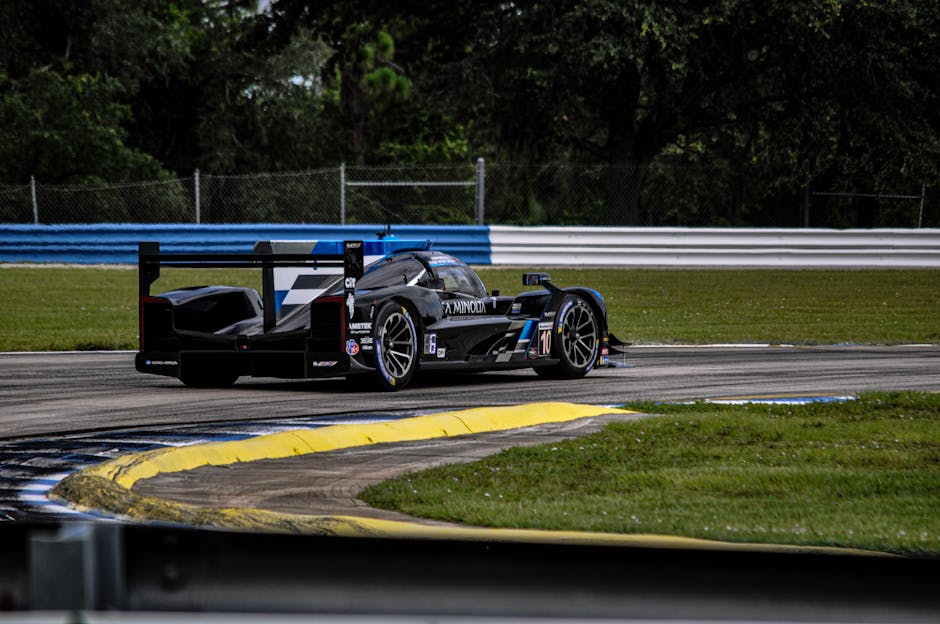
The 2026 Alan Jay Automotive 120 at Sebring brought carnage, drama, and strategic challenges as IMSA Michelin Pilot Challenge competitors navigated the historic track.
Historic Sebring Hosts the Alan Jay Automotive 120
Sebring International Raceway carries a storied history in American motorsport as the birthplace of U.S. endurance racing. The 2026 Alan Jay Automotive 120, part of the IMSA Michelin Pilot Challenge, continued the tradition on the 3.74-mile circuit renowned for its grueling bumps, narrow margins, and rich motorsport legacy. The race attracted 49 entries split between the Grand Sport (GS) and Touring Car (TCR) classes, showcasing a wide array of automotive prowess from manufacturers like McLaren, Toyota, BMW, Porsche, Honda, and Hyundai.
On a March weekend in Sebring, Florida, this round two race brought together fierce competition, unexpected incidents, and intricate pit strategies, all while testing the limits of the drivers and their machines. An intense start led to significant casualties before the green flag even fluttered, and the day evolved into a showcase of endurance, precision, and tactical acumen.
Race Day Kicks Off with Drama
Just as the race got underway, chaos erupted before the field even crossed the starting line. A massive multi-car collision took out several entries in the GS class and brought about an early full-course yellow. The crash involved at least eight cars, including prominent teams such as Turner Motorsport’s BMW, Carbon’s BMW, and the Marillo Mercedes.
Initial reports suggest that the domino effect started with contact from the bright orange Marillo Mercedes, leading to further impacts that demolished the front end of several competitors. Cars like the Turner #96 and the BGB Porsche didn’t even make it to the start line, sidelining hopefuls before their day had truly begun.
Notably, the TCR field had to slow almost to a halt to navigate through the debris field, sparking concerns about potential tire punctures due to scattered sharp fragments. With safety crews tending to the scene and assessing driver conditions, teams scrambled to rethink their strategies.
Fuel Strategy and Pit Challenges
The IMSA Michelin Pilot Challenge races are known for their tactical demands, and these were magnified at Sebring thanks to early incidents reshaping the race format. With a two-hour race clock in motion, the early yellow flag opened the window for varied pit strategies. The GS cars managed an average of 47 minutes before needing refueling, while TCR vehicles could potentially stretch to 52 minutes with fuel-saving efforts.
For many teams, one-stop strategies became viable given the extended caution period. Teams on the pit wall communicated strategies emphasizing fuel conservation, with the aim of stretching stint lengths to minimize time spent in the pits. Yet, this long yellow frustrated teams aiming to race aggressively, as track position became harder to recover without green-flag opportunities.
Pit Lane: A Battleground of Repairs
LAP Motorsports’ #30 Mustang was among the walking wounded, with a crumpled hood and radiator damage. Drivers Scott Thompson and Clay Williams worked against the clock to make repairs, removing debris and securing loose parts with zip ties. Despite their best efforts, the damage forced the car behind the wall, costing precious laps.
Similarly, the Circle H Racing team faced its own struggles. Their #14 Aston Martin returned to pit lane several times, once ripping off the rear bumper entirely to keep the car circulating with minimal aerodynamic hindrance. These quick adaptations typified the resilience of crews on pit lane.
A Look at the Field
The Alan Jay Automotive 120 featured a strong competitive lineup across both classes.
Grand Sport (GS) Class
In the GS category, Toyota dominated the top ranks, placing three cars in the top six during qualifying. Joining them at the sharp end of the grid were McLaren, BMW, and Porsche. While many of these teams started with high hopes, several found themselves caught in the early incidents, putting their races into recovery mode. McLaren maintained its reputation as a contender, reflecting the heritage of Bruce McLaren’s historic win at Sebring in the 1959 U.S. Grand Prix.
Touring Car (TCR) Class
On the TCR side, Honda, Cupra, and Hyundai led qualifying at the front, but strategic gambles defined much of their performance as the day unfolded. Notably, the Montreal Motorsport Group started at the back due to a puncture in qualifying and relied on consistent driving and pit timing to climb through the field, showcasing their championship ambitions after a disappointing 12th-place finish at Daytona.
Early Challenges Shape the Event
Sebring’s demanding surface and close racing environment emphasize consistency over outright speed. The early carnage reinforced the lesson, reshaping the competitive landscape. For instance:
- Carbon BMW #37: Suffered steering failure during qualifying, relegating it to the back of the GS grid. Contact on race start eliminated its chances.
- Rebel Rock Aston Martin #71: Became a casualty in the mid-pack chaos before completing a lap.
- Turner Motorsport #96 BMW: Retro-liveried and highly anticipated, this entry saw its day end prematurely after significant front-end damage.
A Strategic Sprint in Endurance Racing
IMSA Michelin Pilot Challenge events blur the line between sprint and endurance racing. With teams managing overlapping pit windows, driver swaps, and tire strategy all within a two-hour format, the margin for error remains razor-thin. These races test both the adaptability of pit crews and the composure of drivers amidst high-pressure situations.
At Sebring, rule enforcement and coordination played crucial roles. Drivers involved in the lap-one incident faced scrutiny from race control as officials reviewed onboard footage and telemetry to determine fault and impose potential penalties. Meanwhile, safety cars compressed the field, often undoing hard-won advantages for frontrunners.
Practical Insights
Sebring’s 2026 round of the IMSA Michelin Pilot Challenge highlighted key takeaways:
-
Track Position is Critical: Early incidents demonstrate how starting position influences outcomes. A strong qualifying session significantly decreases the risk of being caught in mid-pack mayhem.
-
Fuel Management Matters: Teams capable of stretching their stints gain flexibility for green-flag finishes, underlining the importance of data-driven pit strategies.
-
Adaptability Wins Points: Teams with quick decision-making capabilities—both mechanical and strategic—can mitigate setbacks, as demonstrated by mid-race repairs and adjusted strategies.
Conclusion
The 2026 Alan Jay Automotive 120 at Sebring demonstrated the unforgiving nature of endurance racing’s iconic tracks. From the historic bumps of the Floridian asphalt to the finely tuned strategies playing out on pit lane, the drama at Sebring showcased why this venue remains a cornerstone in American motorsport. Whether through chaos or calculated moves, success here requires resilience, and the teams’ efforts will resonate as they push toward the next round of the IMSA Michelin Pilot Challenge.
Comments
Loading comments…


