Rising gas prices spark renewed interest in electric vehicles — but will switching save you money?
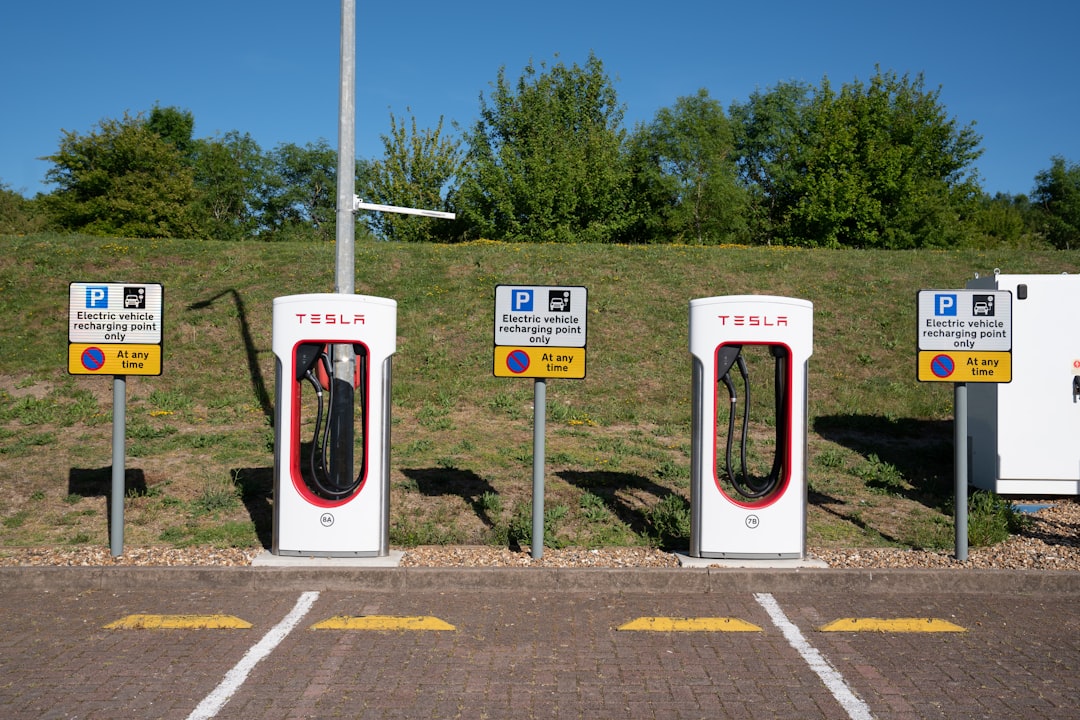
With gas prices surpassing $4 per gallon, interest in electric vehicles is increasing. But do the savings on fuel outweigh the costs of EV ownership?
The recent surge in gas prices, driven by the ongoing conflict in Iran, has sparked a renewed interest in electric vehicles (EVs) across the United States. People feeling the pinch at the pump are considering whether transitioning to an EV might provide financial relief. However, the economics of making the leap from gasoline-driven cars to electric vehicles is complex, involving factors like purchase prices, tax credits, maintenance costs, and interest rates.
Gas prices drive EV interest
According to AAA, the national average gas price has exceeded $4 per gallon, marking the highest levels seen in nearly four years. This spike follows U.S. military operations in Iran, which President Donald Trump suggested could soon come to an end. Yet, with no clear timeline for stabilization, gas prices remain volatile. In response, more consumers are exploring alternatives to internal combustion engines.
Joseph Yun, a consumer insight analyst with Edmunds, noted a significant uptick in online browsing for electrified vehicles. "One-fifth of our website traffic was based on electrified vehicles, but that number has been closer to 24% over the past couple of weeks," Yun shared.
However, heightened curiosity doesn’t seem to be translating into increased EV sales. "Multiple reasons are at play," Yun explained. Chief among them is the September expiration of the $7,500 federal tax credit for electric cars. Additionally, high upfront costs and climbing interest rates deter potential buyers.
High costs of EV adoption
Electric vehicles remain notably more expensive than their gas-powered counterparts. A report from Cox Automotive estimates that EVs cost an average of $6,500 more than comparable internal combustion engine cars. With new car prices already hovering around $50,000, according to industry data, the added premium makes EV purchases a tough sell for many.
Making matters more challenging are rising interest rates. Loan rates for well-qualified buyers are currently around 7%, significantly increasing the cost of financing an EV purchase. This economic environment has turned what seemed like an attractive option into a luxury that many cannot justify.
"Not only are the cars expensive, but the money is expensive," industry observers point out. Adding another barrier, the loss of the federal tax credit removes a considerable incentive that had previously helped offset the higher costs of EVs.
Long-term savings vs short-term challenges
While the initial price tag of an electric vehicle might be daunting, EVs promise savings over time. EV drivers spend significantly less on both fuel and maintenance compared to those driving conventional cars. Electricity is generally cheaper and less volatile in price than gasoline, and electric motors have fewer moving parts than combustion engines, which reduces maintenance costs.
Still, the question remains: Do these long-term savings outweigh the upfront costs? According to Maribel Gonzalez, the answer largely depends on the buyer’s financial situation and immediate needs. "If you’re in the market for a car right now, it’s worth considering an alternative powertrain," she noted. However, she acknowledged that steep initial expenses make EVs less appealing to buyers who are focused on short-term affordability.
Who does an EV make sense for?
For consumers who drive frequently and plan on keeping their vehicles long-term, an EV could eventually provide significant savings. Lower energy and maintenance costs are hard to ignore for heavy commuters or environmentally conscious buyers. However, those who switch vehicles frequently or are operating on tighter budgets may find the initial cost unmanageable.
Switching to electric vehicles also makes sense for consumers who live in areas with lower electricity rates or have access to home charging solutions. Public charging infrastructure can sometimes add inconvenience and costs, particularly if you rely on paid fast-charging stations.
The broader energy context
The rise in EV interest reflects broader trends in consumer behavior during times of energy uncertainty. While gas prices have spiked temporarily due to geopolitical events, the uptick in EV browsing underscores the increasing importance of energy security and cost predictability for U.S. drivers.
However, lingering questions about affordability and infrastructure highlight that the switch to electric will not come without hurdles. Government policies, such as reinstating tax credits or incentivizing EV infrastructure development, could play a pivotal role in smoothing the transition.
What’s next?
As the conflict in Iran develops and gas prices fluctuate, EV adoption will remain tethered to both economic factors and consumer sentiment. Financial incentives, improved technology, and declining battery costs could make EVs more accessible in the future, but for now, high prices and interest rates pose significant hurdles.
Buyers weighing their options should carefully consider both short-term and long-term financial factors. While EVs promise savings on fuel and maintenance, they are an investment that might not make financial sense for every budget—at least not yet.
Staff Writer
Mike covers electric vehicles, autonomous driving, and the automotive industry.
Comments
Loading comments…


