2026 Mazda CX-5: An Evolved SUV Facing Modern Expectations
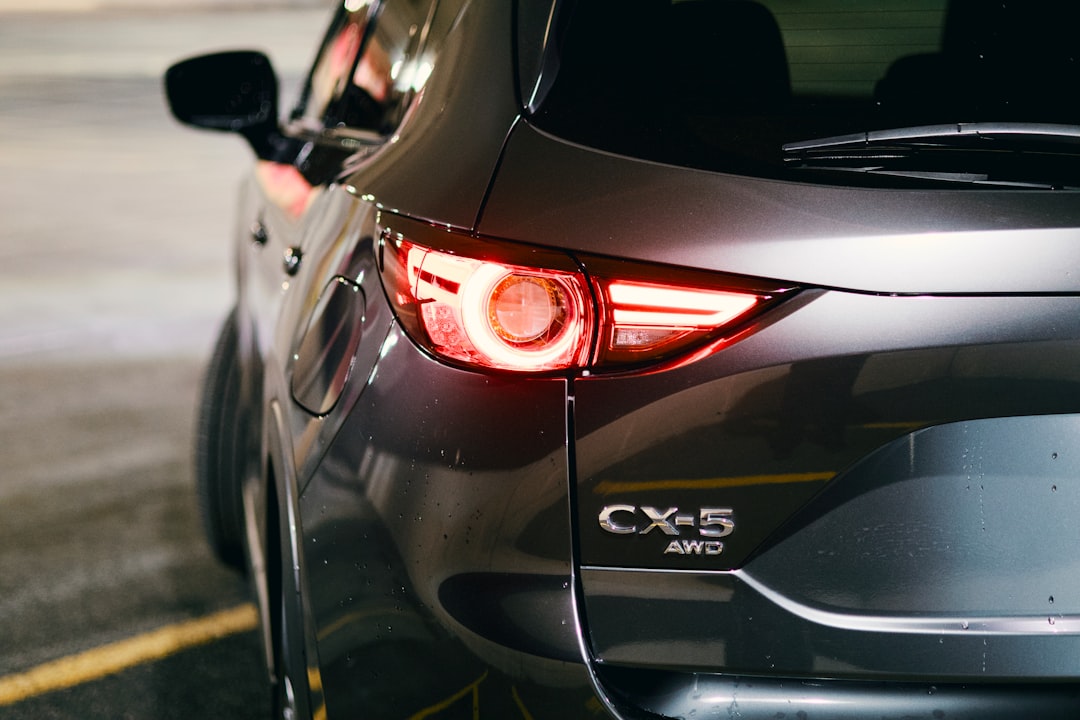
The 2026 Mazda CX-5 offers refined usability, styling updates, and comfortable driving dynamics but faces tough competition in a rapidly advancing SUV market.
The 2026 Mazda CX-5 has arrived, continuing Mazda's tradition of blending driving finesse with aesthetic appeal. Starting at around $30,000 for the base trim and climbing to $40,000 for the feature-packed Premium Plus trim, the new CX-5 aims to appeal to both enthusiasts and families alike. However, in an increasingly competitive compact SUV market, it’s fair to ask: Does the new CX-5 do enough to stand out?
Usability Improvements: Room to Breathe
One of the key complaints about the previous CX-5 was its limited interior space, especially for rear passengers and cargo. For 2026, Mazda addressed this by extending the wheelbase by 4.5 inches and widening the vehicle. The result? Noticeably improved rear legroom and a more practical rear cargo area. Rear doors now open a convenient 90 degrees, making loading and unloading—especially car seats—much easier. The cargo space itself comes with thoughtful touches, such as a remote lever to easily fold the second-row seats nearly flat, and a hidden spare tire under the floor.
While the cargo opening isn’t as wide as what competitors like the Toyota RAV4 offer, the effort to address usability shortcomings is evident. For families who once balked at the CX-5’s cramped quarters, these changes will be welcome.
Design Stays Familiar
Mazda decided not to reinvent the wheel with the 2026 CX-5’s design. The SUV retains much of the styling DNA from its predecessor, albeit with some updates such as a redesigned grille and new LED headlights. In brighter exterior colors, the evolution in styling is evident, but in essence, the CX-5 remains understated—a hallmark of Mazda’s approach.
Inside, Mazda continues its tradition of minimal yet clean interiors. Soft-touch materials dominate, making the cabin feel premium for its price range. However, the lack of contrasting elements, particularly in the all-black interiors, can make the space feel monotonous. There’s some use of gunmetal and chrome accents, but it falls short of the high-end ambiance achieved by competitors like the Nissan Rogue.
Mixed Results for Feature Updates
Mazda has modernized the CX-5’s tech offering, but some decisions may polarize buyers. Gone are physical HVAC controls, replaced by functions integrated into the large touchscreen interface running Android Automotive. While the system operates smoothly without lag, the reliance on screen-based controls may frustrate users seeking quick, tactile adjustments.
Additionally, features like a panoramic sunroof, wireless Android Auto and Apple CarPlay, and the high-quality Bose audio system are locked behind higher trim levels. This means buyers aiming to keep costs closer to $30,000 will miss out on some of the most attractive perks. Rivals like the Hyundai Tucson and RAV4 offer more accessible feature packages at comparable price points.
Driving Dynamics: Sticking to Strengths
Mazda’s commitment to driving engagement remains intact with the 2026 CX-5. The SUV retains its Skyactiv 2.5-liter naturally aspirated four-cylinder engine, delivering 187 horsepower and 186 lb-ft of torque. While not particularly quick off the line, the engine works well with the recalibrated six-speed automatic transmission to provide predictable and responsive performance. For most buyers, this drivetrain will feel adequate, but it does lag behind turbocharged or hybrid offerings from competitors in terms of both acceleration and fuel efficiency.
Suspension improvements have further refined the ride. Larger dampers and optimized spring rates strike a balance between comfort and control. While the CX-5 remains more driver-focused than most SUVs in its class, it sacrifices some ride compliance for sharper handling. This trade-off may appeal to enthusiasts but could deter families prioritizing comfort above all else.
Falling Behind in Innovation
While the CX-5’s incremental improvements and driver-focused ethos are commendable, other brands have moved the game forward. Both the Toyota RAV4 Hybrid and Honda CR-V Hybrid offer significantly better fuel efficiency and quicker acceleration, while the Hyundai Tucson and Kia Sportage dazzle with futuristic designs and tech-laden interiors. Even Nissan, long viewed as a laggard, has stepped up; the Rogue’s spacious interior and comfort-oriented design rival premium options at a competitive price.
Mazda plans to roll out its proprietary hybrid drivetrain in 2027, which could boost the CX-5’s appeal. For now, however, the lack of hybrid capability or turbocharged options puts Mazda at a disadvantage. The previous-generation turbo engine was removed for 2026 due to low demand, but this decision leaves buyers with fewer powertrain options compared to rivals.
Safety and Value Considerations
Safety remains a strong point for the CX-5. Mazda highlights the SUV’s strong crash safety ratings, with improvements aimed at protecting rear-seat occupants in small-overlap frontal crashes. For families who prioritize safety, the CX-5 remains a solid contender.
However, at nearly $40,000 for a fully loaded model, the CX-5 starts to overlap with more feature-rich competitors. Buyers evaluating value for money may prefer alternatives offering more tech, better fuel economy, or stronger performance in this price bracket.
The Verdict: A Compelling Yet Flawed Option
The 2026 Mazda CX-5 delivers appreciable updates in usability, ride quality, and design execution. Its driver-focused dynamics and attention to detail give it a sense of refinement that remains rare in this class. However, its cautious evolution has left it struggling to keep up with rivals that have moved faster in expanding features, powertrains, and interior options.
For those who value driving engagement, clean aesthetics, and proven reliability, the CX-5 still holds a lot of appeal. That said, the lack of innovative drivetrain options and limited feature accessibility at lower trims may push potential buyers toward more future-proof competitors. Mazda will need to aim higher to remain relevant in the fiercely competitive compact SUV market.
Staff Writer
Nina writes about new car models, EV infrastructure, and transportation policy.
Comments
Loading comments…


