Are consumers ready to embrace electric vehicles?
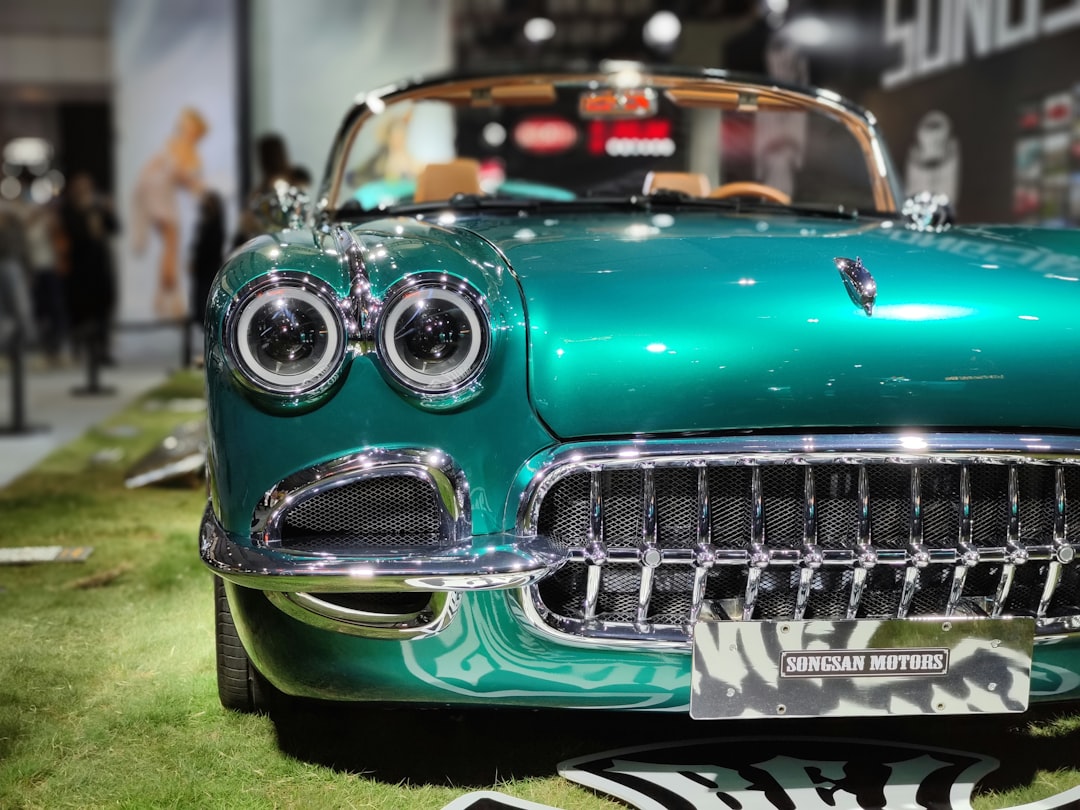
With gas prices soaring and EV technology improving, more consumers are considering electric vehicles. But challenges remain.
Soaring gas prices have left many drivers reassessing the future of their transportation. For some, the answer might be electric vehicles (EVs), but are they truly ready to make the switch? At the New York International Auto Show, consumer interest and market dynamics provided a snapshot of the EV landscape, which is as promising as it is challenging.
The appeal of EVs: Speed, savings, and sustainability
One visitor to the auto show, 12-year-old Evan, shared his excitement about EVs, citing their speed and impressive horsepower. While he’s not ready to drive yet, Evan’s enthusiasm reflects a growing sentiment among many consumers that EVs are more than an eco-friendly alternative—they’re a legitimate option for performance enthusiasts as well.
Beyond horsepower, EVs are catching eyes for their potential financial impact, especially with gas prices continuing to rise. Michelle, Evan’s mother, highlighted how her one-hour daily commute becomes costly with a gas-powered car. Models with improved range—now averaging around 300 miles per charge—can also help dispel the looming concern of "range anxiety," making EVs a more practical choice for daily travel.
Practical considerations: Costs and charging challenges
Despite their allure, EVs come with significant upfront costs. With new car prices averaging around $50,000 in the US, affordability remains a hurdle, even as lower-cost EVs slowly enter the market.
Another substantial barrier is home charging infrastructure. According to the segment, many drivers are hesitant about the additional investments required, such as installing charging ports at home. This adds upfront complexity, especially for those unfamiliar with EV technology. On the other hand, drivers like Al, who live close to work and don’t need long range capabilities, see this as less of an issue. For short commutes, the current charging infrastructure might suffice, though long-distance travel remains daunting to others.
Tax credits and the hybrid alternative
Incentives also play a pivotal role in EV adoption. The report cites a 46% drop in EV sales during the fourth quarter of last year after the federal government’s EV tax credit expired. This highlights how crucial policy support can be in making EVs attractive to potential buyers. Without these subsidies, the affordability gap between electric and traditional gas-powered cars widens.
For some, hybrids feel like a "best of both worlds" solution—more fuel-efficient than gas cars yet free of many limitations that come with EVs. Hybrid technology, combining gas engines with electric motors, is keeping traditional automakers in the game while appealing to buyers like those featured in the report who aren’t ready to go fully electric.
Gas-powered vehicles: Still relevant
Despite advancements in EV and hybrid technology, an audience for traditional gas-powered vehicles remains. For some car enthusiasts, the unmistakable roar of the internal combustion engine is an irreplaceable part of driving. Meanwhile, practicality still leans toward gas cars for those not prepared to navigate charging networks or invest in infrastructure upgrades.
What’s next for automakers?
Many vehicles showcased at the New York International Auto Show are expected to start arriving at dealerships within months. Yet the question remains: Which powertrain—gas, hybrid, or fully electric—will pull ahead with the majority of consumers?
With automakers ramping up investment in hybrids, EV range improvements becoming standard, and gas prices applying continuous pressure, the competition is fierce. The future market may not offer a one-size-fits-all answer but instead be defined by how well these technologies address diverse consumer needs.
The EV revolution is undeniably gaining traction, especially among younger, tech-savvy buyers. However, broader adoption will depend on overcoming practical obstacles like cost, infrastructure, and policy incentives. Automakers and policymakers alike have important roles to play in shaping a transportation landscape where EVs can truly thrive. For now, though, many buyers are simply keeping their options open, waiting to see how these competing technologies move forward.
Staff Writer
Nina writes about new car models, EV infrastructure, and transportation policy.
Comments
Loading comments…


