2026 Subaru Outback: Quieter, Smarter, and True to Its Roots
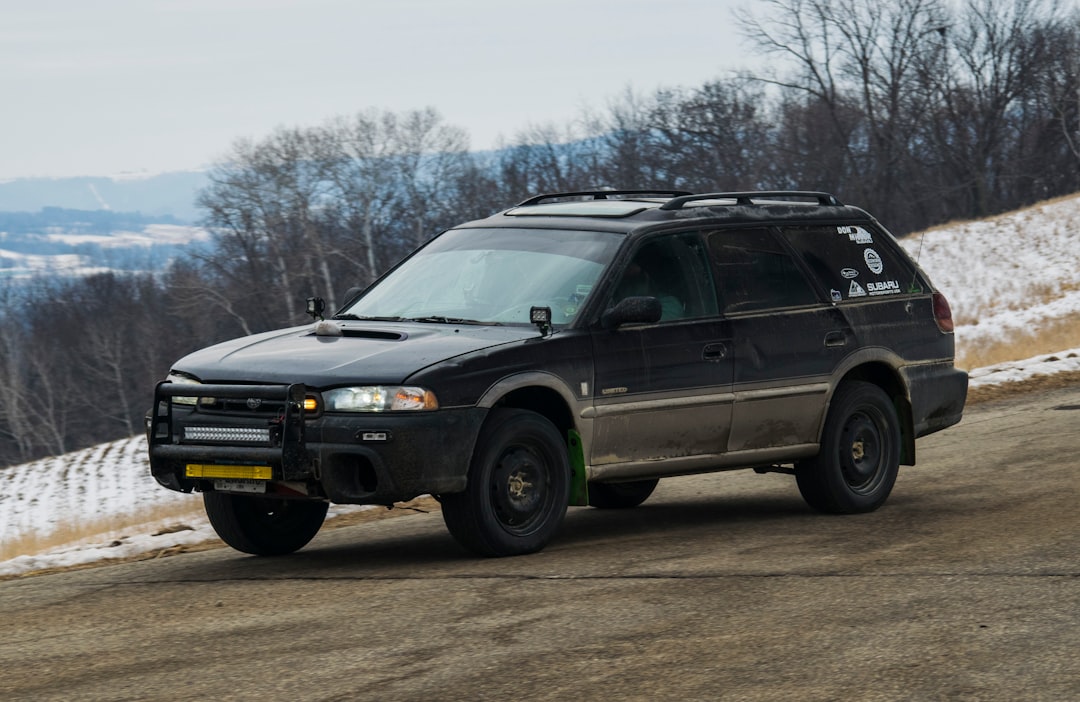
The all-new 2026 Subaru Outback offers design tweaks, added usability, physical controls, two engine options, and a focus on refinement.
Subaru has launched the 2026 Outback with one clear message: they’ve been listening to their customers. This redesigned model builds on the brand's tradition of blending rugged capability with everyday usability, while adding refined updates to improve comfort and practicality.
Physical Controls Are Back
The loudest applause may come from those who have long been critical of Subaru’s reliance on touchscreen-based controls. The 2026 Outback ditches the heavy-handed digital interface in favor of physical buttons for HVAC controls, drive modes, and basic adjustments. These tactile inputs offer ease of use, especially when wearing gloves or multitasking behind the wheel. Subaru’s decision to return to this classic design choice has been widely praised, addressing a common gripe about modern vehicle interfaces. What's more, the infotainment software remains robust, responsive, and intuitive, running on a Snapdragon processor that handles Apple CarPlay and Android Auto seamlessly.
Design: Personality Meets Polarization
The Outback’s new look is bound to split opinions. While some might find its quirky, orthopedic-shoe-like styling true to Subaru’s alternative ethos, others may see the exterior design as clunky. Despite the divisive aesthetics, Subaru has tweaked the aerodynamics to reduce wind noise and improve overall comfort. The new generation is 1.4 inches taller and marginally wider and longer, tweaks that translate to a bit more cabin space without making the vehicle feel unwieldy.
Enhanced Interior Comfort and Space
Subaru has made significant strides in interior usability. The vehicle gains 1.5 inches of additional headroom, making it more comfortable for taller occupants to stretch out. In terms of cargo, the redesigned hatch area accommodates larger items with ease. With the rear seats up, the Outback offers around 33–36 cubic feet of cargo space; fold the seats down, and that number jumps to an impressive 80 cubic feet. Compared to rivals such as the Toyota RAV4, the Outback delivers considerably more usable storage space—a key advantage for families, campers, and anyone with a lot to haul.
The seating also deserves praise. From the plush driver’s seat with excellent adjustability to the generous rear legroom—even behind a six-foot-tall driver—the Outback caters to passengers of all sizes. Rear vents enhance comfort in the second row, while large door pockets and convenient storage add to the practicality.
Performance and Driving Dynamics
Subaru continues to offer two engine choices in the 2026 Outback, both paired with a CVT (continuously variable transmission). The base 2.5-liter flat-four engine generates 180 horsepower, slightly less than before, but with a flatter torque curve. For buyers craving more punch, the turbocharged 2.4-liter flat-four delivers 260 horsepower. While the turbo engine provides spirited highway performance, its fuel economy can dip to just around 20 miles per gallon in the city, putting it behind hybrid competitors like the Honda CR-V TrailSport.
The Wilderness trim takes capability up a notch, offering 9.5 inches of ground clearance (compared to 8.7 inches in base models), all-terrain Bridgestone Dueler tires, and revised suspension tuning. Subaru’s symmetrical all-wheel drive system remains a standout feature, especially for bad weather or off-road conditions. Combined with skid plates and high-capacity roof rails—supporting up to 800 pounds when stationary for camping setups—the Wilderness trim positions itself as an adventurer's choice.
Refinement and Noise Reduction
Subaru engineers have emphasized noise, vibration, and harshness (NVH) improvements to make the Outback a quieter, smoother ride. Enhanced components like thicker glass, new engine mounts, a quieter CVT, and additional underbody panels contribute to a 10% reduction in cabin noise. These refinements add a sense of solidity and modernity to the driving experience, further distinguishing the Outback from its predecessors.
Pricing and Competition
The 2026 Subaru Outback lineup starts in the mid-$30,000 range for base models equipped with the naturally aspirated engine. Adding options or upgrading to the turbocharged driveline brings pricing into the mid-$40,000 range, while fully-loaded Wilderness models can crest the $50,000 mark. In terms of competition, the Outback holds its own against Honda’s Passport, which boasts a V6 engine but lacks Subaru's symmetrical all-wheel drive system, and the Toyota RAV4, which offers hybrid variants for superior fuel efficiency.
The Final Verdict
The redesigned Subaru Outback strikes a careful balance between embracing modern technology and sticking to its proven formula. While some competitors lean towards hybrid drivetrains or increasingly high-tech interiors, Subaru focuses on refinement, practicality, and capability. The return to physical controls and the attention paid to comfort show Subaru’s willingness to prioritize user feedback over flashy gimmicks.
For buyers looking for a reliable, adventure-ready vehicle that doesn’t compromise usability, the 2026 Outback checks many boxes. It may not win every beauty contest, and fuel economy remains a sticking point, but Subaru loyalists and practical-minded shoppers alike will likely find its blend of rugged utility and enhanced refinement hard to resist.
Staff Writer
Mike covers electric vehicles, autonomous driving, and the automotive industry.
Comments
Loading comments…


