Are High Gas Prices Driving Americans to Switch to Electric Vehicles?
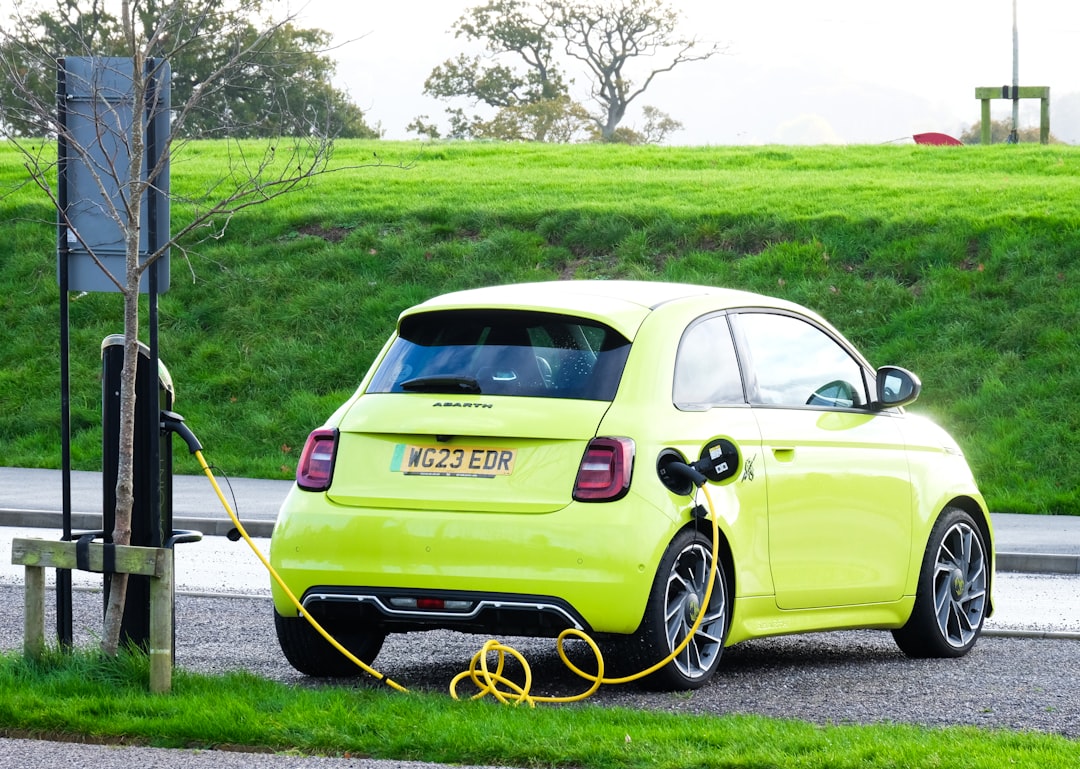
Rising gas prices are prompting more people to consider electric vehicles. Here's how EVs could save money and the factors to consider before buying.
Gas Prices Surge: The Breaking Point for Some Drivers
As gas prices continue to climb across the U.S., reaching as high as $4 per gallon in certain areas, drivers are feeling the strain on their wallets. The result? A growing interest in electric vehicles (EVs) as a potential way to escape these skyrocketing costs. But is buying an EV now truly the best financial decision, or is it better left for those who planned ahead?
In places like California, where high fuel costs are the norm, the idea of filling up a gas tank for $100 or more is increasingly difficult to swallow. Meanwhile, electric vehicle owners routinely spend $20 or less to "fuel" their cars. But while making the switch to an EV looks increasingly attractive on paper, there are practical and financial considerations at play. Here’s what you need to know.
The True Costs of EVs vs. Gasoline Vehicles
Charging Costs vs. Filling Up a Tank
On average, charging an electric vehicle costs significantly less than filling up with gasoline. For example, $7 in electricity might get an EV owner around 180 miles of range, whereas a similar distance in a gas-powered car could cost upwards of $30, depending on fuel prices. However, these savings aren’t realized overnight. Most experts agree that to achieve a true return on investment, buyers should plan to keep their EV for several years.
In contrast, today’s inflated fuel prices make gas guzzlers an economic headache. Regular gasoline is hovering near $4 per gallon, and diesel, even worse, sits above $5 in many areas. Those who drive vehicles with larger fuel capacities—like a 20-gallon family SUV—can expect to spend over $100 per refuel.
| Comparison | Gas-Powered Car | Electric Vehicle |
|---|---|---|
| Fuel/Charging Cost | $50–$100 per tank | $7–$20 per full charge |
| Routine Maintenance | Frequent oil changes, etc. | Minimal required |
| Driving Range | Around 300–400 miles | Varies, 200–350 miles |
Long-term Savings
One of the strongest arguments for going electric is the reduced cost of routine maintenance. EVs lack traditional engines, meaning there’s no need for oil changes, timing belts, or spark plug replacements. Regenerative braking systems also extend the life of brake pads, potentially lasting the lifetime of the car. For those driving significant miles each year, these savings can add up quickly.
However, buying an EV today does come with upfront considerations. The availability of tax incentives, once widely used to lower the cost of purchase, has diminished because EV demand now often outpaces supply. A few years ago would have been an ideal time to buy, financially speaking. Those who act now might face higher demand and fewer financial breaks.
Lifestyle Considerations for EV Ownership
Home Charging vs. Supercharging
The practicality of owning an EV depends heavily on your ability to charge it at home. Charging overnight on a personal station is the most convenient and cost-effective solution, saving owners repeated trips to public charging stations. Without that option, frequenting supercharging stations could feel like a chore—especially given that charging can vary from 30 minutes to several hours, depending on your car and the station’s speed.
Travel and Range Anxiety
For drivers who frequently undertake long road trips, EVs may still present challenges. Unlike gas-powered cars, which can rapidly refuel at any station, EVs require careful trip planning to ensure proximity to charging stations. Additionally, range anxiety—the fear that the battery will run out before reaching a charging point—is a concern among newer users. Weather, HVAC use, and even sitting idle can all impact an EV’s range, as one Tesla owner shared anecdotally in the transcript.
The problem compounds for those without predictable charging access at home or work. For them, the time spent at public chargers could negate any fuel-cost savings.
The Market Implications of High Gas Prices
As gas prices push more buyers to consider EVs, manufacturers like Tesla, Ford, Rivian, and others are likely to see rising demand. Higher fuel costs typically elevate the perceived value of EVs, making them a hot commodity. But with increased interest comes higher sticker prices, and supply chain complications can further limit immediate availability.
During the pandemic era, inflated used car prices were seen across markets, but now, this trend extends to EVs as well. Even with today’s costs, many prospective buyers weigh the pros—environmental impact, reduced long-term expenses—against upfront costs.
Practical Takeaways for Potential EV Owners
If you’re considering a switch to an electric vehicle, here are some key insights:
- Do the math: Calculate how long it would take to break even by comparing your fuel savings to the higher upfront cost of an EV.
- Home charging: If possible, invest in a home charging station for ease of use and long-term savings. Public stations can be less convenient.
- Long-term commitment: EVs make more financial sense for those planning to keep them for several years and drive substantial miles annually.
- Range considerations: Select a vehicle with a range that aligns with your travel habits. Be realistic about charging access during road trips.
- Research incentives: Tax rebates and state-specific incentives are worth exploring.
Are Electric Vehicles Right for You?
The decision to buy an EV is not one-size-fits-all. It depends heavily on your lifestyle, upfront budget, and whether you’re prepared for the long-term commitment needed to reap the financial rewards of going electric. For those living in fuel-price-sensitive areas or driving vehicles with high operating costs, making the switch may feel more urgent. However, savvy buying decisions often emerge from planning, not reacting.
So, while high gas prices have pushed many to consider EVs, it’s important to factor in all costs, from infrastructure needs to vehicle range and lifespan. The underlying message here is clear: EVs can be a fantastic choice for the right buyer, but timing and preparedness are everything.
Staff Writer
Mike covers electric vehicles, autonomous driving, and the automotive industry.
Comments
Loading comments…


