BYD overtakes Tesla as the largest electric vehicle seller
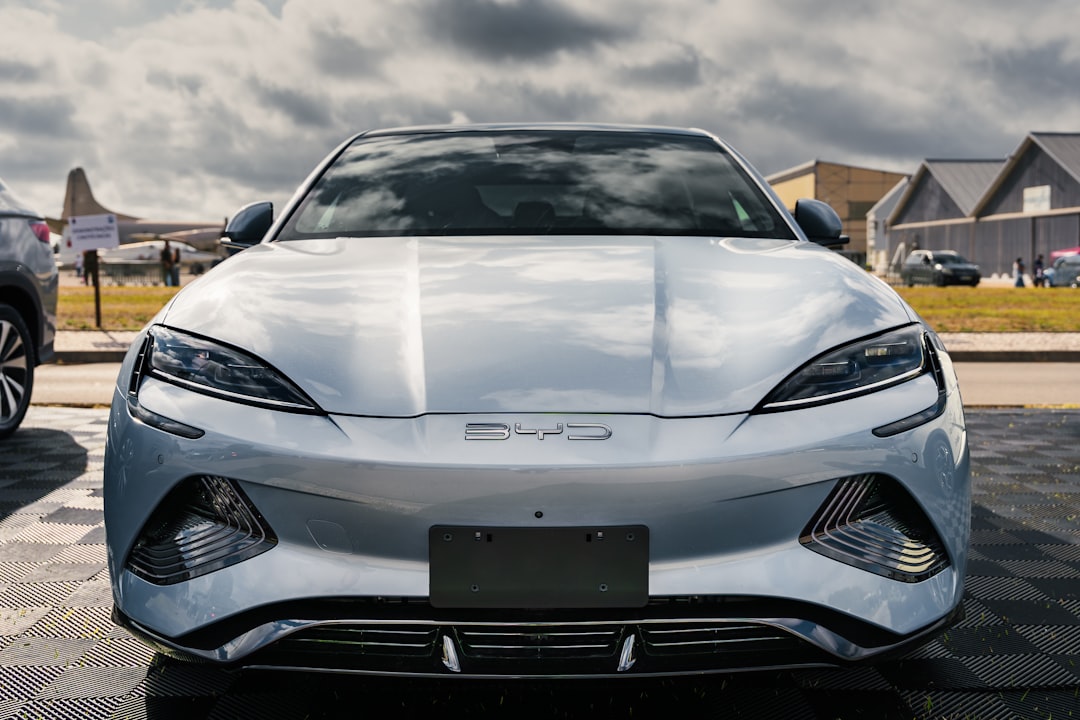
BYD has outpaced Tesla to become the world's top electric vehicle seller, marking a significant shift in the market dynamics.
BYD has surpassed Tesla, claiming the title of the world’s largest seller of electric vehicles (EVs), a significant milestone that signals a shift in the electric car market. According to recent reports, BYD's sales surged nearly 28% last year, reaching a total of 2.2 million vehicles. In stark contrast, Tesla, the well-known American electric car manufacturer founded by Elon Musk, saw its sales decline to 1.6 million during the same period.
BYD's Rapid Ascent
BYD, short for Build Your Dreams, was relatively unknown outside China just a few years back. Now, it has established a substantial presence with over a thousand dealerships across Europe and aims to double that number by year's end. The company is capitalizing on the high demand for electric vehicles by offering advanced models that come at prices that undercut those of European competitors. This competitive pricing strategy has proven appealing to consumers, removing one of the largest barriers to adopting electric vehicles: cost.
Tesla's Declining Market Position
Once the undisputed leader in the electric vehicle market, Tesla’s sales slump can be linked to several factors. Criticism of Elon Musk's controversial political activities has polarised opinions about the brand. More significantly, industry experts note that Tesla has struggled to keep its product lineup fresh. The company has lengthy product cycles and has not introduced new models at the same pace as its rivals, particularly the nimble Chinese competitors.
As the market evolves, Tesla appears to have shifted its focus. Rather than solely optimizing its current vehicle lineup, Tesla is investing heavily in the development of self-driving technologies and humanoid robotics, which could demand long-term capital and attention. While this pivot may seem ambitious, it raises questions about the short-term profitability of Tesla amidst the fierce competition.
The Role of Chinese Subsidies
Critics have pointed out that Chinese automakers benefit from extensive government subsidies, enabling them to offer vehicles at lower prices. This has created an uneven playing field for Western manufacturers, who face challenges in pricing their products competitively. However, this competitive atmosphere has resulted in rapid technological advancements within China, pushing companies like BYD to innovate quickly.
In recent developments, BYD has made headlines with its cutting-edge technology by unveiling a supercar capable of autonomous driving and overcoming physical obstacles. The company has also introduced a rapid charging system, capable of fully charging an EV in just five minutes, a significant advantage in the market.
Tesla's Long Road Ahead
Despite recent setbacks, investor confidence in Tesla remains high. Recently, Tesla's shareholders approved a massive pay package for Elon Musk, reflecting trust in his vision to steer the company toward new horizons. With a vocal share of approval gained during the meeting, Tesla might still be poised for advantageous growth if Musk’s plans, particularly regarding self-driving taxis, come to fruition.
Comparison of BYD and Tesla's EV Sales
| Company | 2023 Sales (Millions) | Sales Growth Rate (%) | Key Innovations |
|---|---|---|---|
| BYD | 2.2 | 28 | Rapid charging, autonomous driving |
| Tesla | 1.6 | - | Self-driving technology, robotics |
Key Takeaways
- BYD's Market Strategy: BYD’s growth stems from strategic pricing and an expanding global network, quickly capturing market share.
- Tesla's Product Cycle: Tesla faces challenges due to long product cycles and lack of new model introductions, impacting its appeal to consumers.
- Innovation Race: Both companies focus on advanced technologies, but BYD has been quicker to implement some groundbreaking developments.
- Investor Sentiment: Tesla's leadership and innovative aspirations continue to sway investor confidence, despite short-term sales struggles.
Conclusion
The shift in electric vehicle sales leadership from Tesla to BYD underscores the rapid evolution of the automotive industry. BYD’s aggressive expansion and appealing pricing models align with current consumer expectations and challenges faced by legacy brands like Tesla. While Tesla, under Musk’s vision, may pursue lofty innovations, the immediate need to adapt to market demands remains critical. In a market that values both technology and affordability, both companies must navigate competitive pressures as they forge their paths forward in electric mobility.
Staff Writer
Mike covers electric vehicles, autonomous driving, and the automotive industry.
Comments
Loading comments…


