NASCAR unveils 1,360-horsepower electric race car prototype in Atlanta
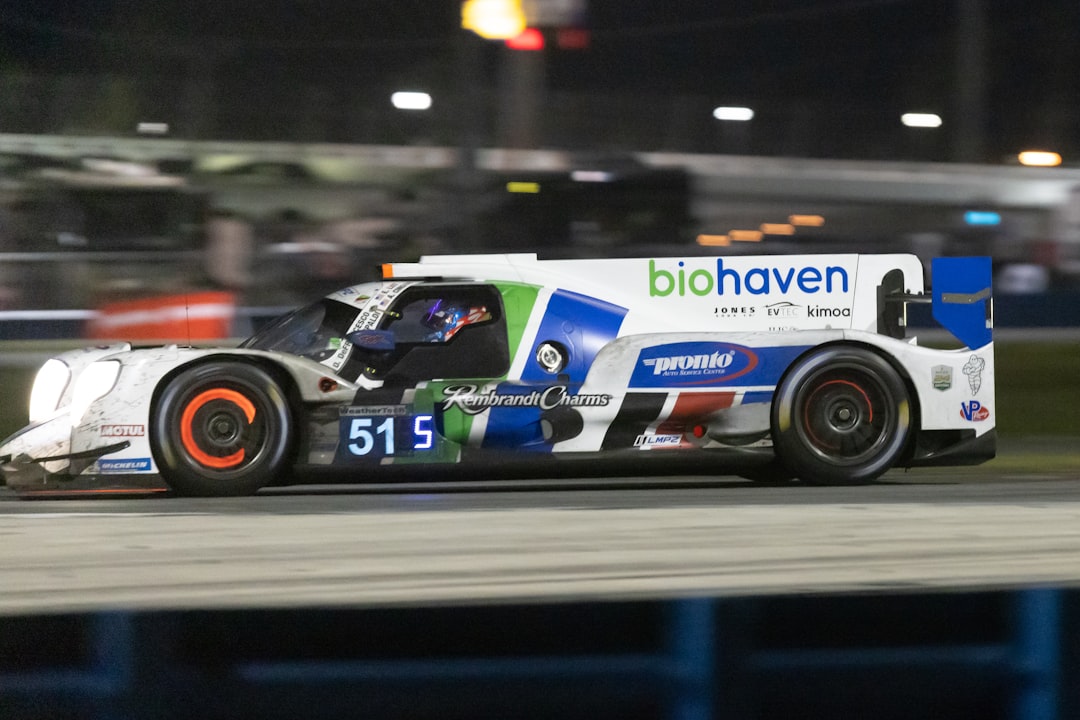
NASCAR showcased its first-ever electric race car prototype in Atlanta, highlighting a 1,360-horsepower powerhouse developed in collaboration with major automakers.
NASCAR took a bold step towards the future of racing by unveiling its first-ever electric race car prototype at Echo Park Speedway in Henry County, Atlanta. The groundbreaking vehicle, a collaborative effort by ABB, Ford, Chevrolet, and Toyota, signals the motorsport’s exploratory journey into incorporating electric vehicles (EVs) into its lineup. While traditional roaring V8 engines are synonymous with NASCAR, this prototype demonstrates that innovation and sustainability can coexist with high-performance driving.
A glimpse of the EV powerhouse
This electric NASCAR prototype boasts an eye-popping 1,360 horsepower, a figure that dwarfs many standard combustion-engine race cars. During its recent showcase, the car reached a top speed of 165 mph during a previous run in Phoenix. According to the vice president of ABB, the vehicle is still in the testing phase, and its top limit has not been fully explored. Its acceleration capabilities are equally impressive, with rapid 0-60 mph performance that has left early testers astounded.
The prototype’s battery can sustain roughly one hour of operation under specific track conditions, a limitation that has prompted further development. This runtime, however, underscores the challenges of adapting electric technology for race-day endurance, especially on longer tracks like Echo Park Speedway, where more laps require significantly higher energy storage efficiency.
Driving the prototype: raw power and challenges
Early trial runs revealed both the electric car’s strengths and the hurdles engineers are tackling. Test drivers noted the immense acceleration and torque, describing the vehicle as a completely different experience compared to traditional gasoline-fueled race cars. However, they also emphasized the challenges posed by the heavier battery packs integrated into the vehicle. These add significant weight, particularly impacting cornering dynamics.
"It’s the first time I’ve driven an electric NASCAR," one driver explained, reflecting on the contrast between this new technology and conventional setups. "It’s quite heavy, but the torque and power are tremendous. The battery weight does change the way it handles, especially through tight corners." Despite the current limitations, the experience illustrates how electric drivetrains are evolving and improving, potentially bringing EV racing technology closer to parity with its combustion-engine competition.
Collaboration among industry giants
The prototype highlights unprecedented collaboration within the automotive and tech industries. ABB, a leader in electrification and automation, has joined forces with Ford, Chevrolet, and Toyota to bring this innovative race car to life. Each company has also been working on its own EV prototypes, with Ford and Chevrolet unveiling electric concepts as part of their respective development programs. Over the summer, the electric NASCAR—along with prototypes from Ford and Chevy—participated in exhibition events in Chicago, where they caught the attention of fans and industry insiders alike.
Is EV racing ready for NASCAR?
While the electric prototype is impressive on paper, there’s still a long road ahead before EVs can join NASCAR’s regular racing series. The biggest hurdle is battery endurance. Unlike traditional race cars, which can refuel quickly during pit stops, EVs rely on batteries that must last an entire race or undergo lengthy recharging times. Achieving the performance consistency needed for a full-length NASCAR race remains an engineering challenge.
Additionally, there’s the question of how fans will respond to an electric future in NASCAR. The thunderous roar of combustion engines is an integral part of the sport’s identity, providing a visceral connection that many enthusiasts hold dear. While the electric prototype delivers plenty of speed and power, some worry it may lack the auditory spectacle that defines the NASCAR experience. However, as EV technology continues to advance, striking a balance between performance and tradition may ultimately broaden the appeal of the sport, attracting younger, eco-conscious fans.
The significance of the prototype
The debut of this electric NASCAR prototype is more than just a flashy tech display—it marks a pivotal moment as the racing world explores pathways toward sustainability. NASCAR’s move into EV testing aligns with broader trends in the automobile industry, where electric vehicles are becoming a cornerstone of long-term product strategies. The exposure from events like the one in Atlanta not only demonstrates the potential of EV technology but also educates fans about the future of motorsport as a whole.
What’s next?
As testing continues at tracks across the U.S., developers will refine the electric NASCAR prototype to address its current limitations. Finding ways to extend battery life, improve weight distribution, and evaluate performance across diverse track conditions are essential steps before the car can be considered for competitive racing. For now, the vehicle remains an innovative prototype designed to showcase what’s possible.
While traditional combustion-engine cars will dominate NASCAR events for the foreseeable future, the electric prototype stands as a statement about where the sport—and the automotive industry—is heading. As electric vehicle technology surges forward, NASCAR is ensuring it won’t be left behind in the race.
Staff Writer
Mike covers electric vehicles, autonomous driving, and the automotive industry.
Comments
Loading comments…


