Rivian Electric Bike Spinoff Partners with DoorDash for Last-Mile Delivery
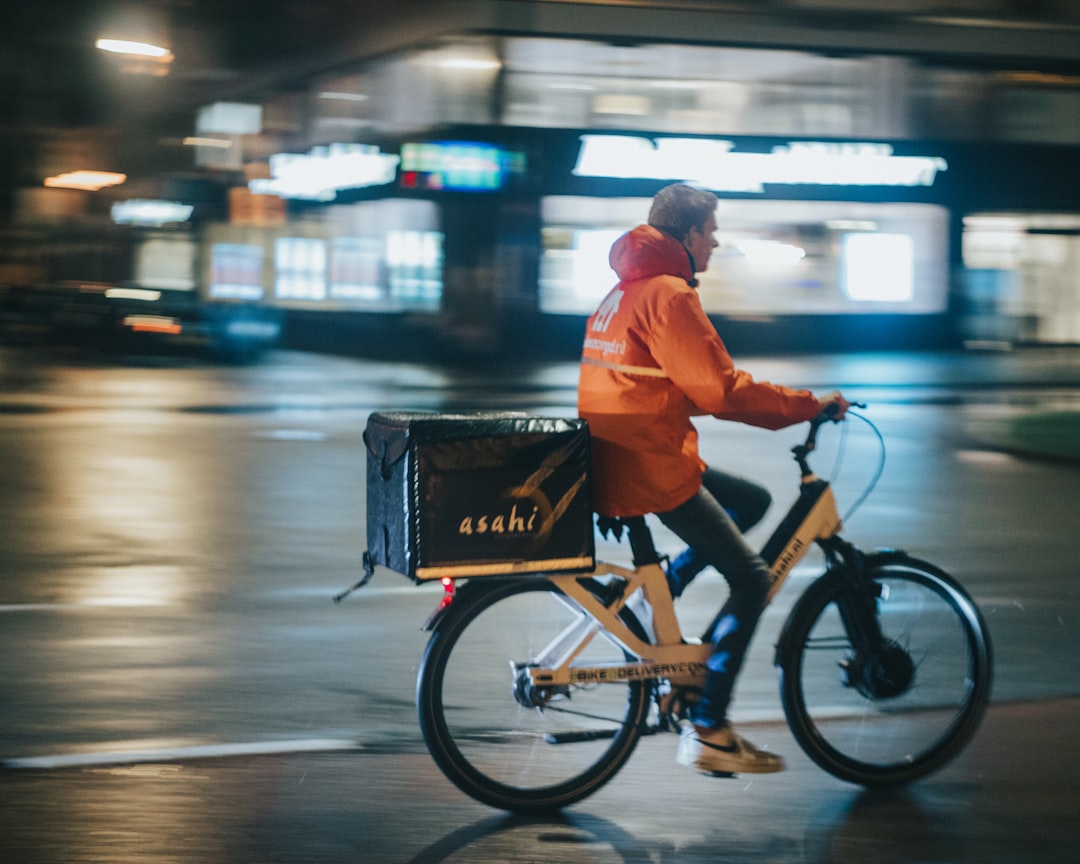
Rivian’s spinoff, Also, partners with DoorDash to deploy smart electric bikes and autonomous EVs for last-mile delivery in urban areas.
Rivian’s foray into the electric bike market has evolved dramatically with its spinoff company, Also, making waves in the last-mile delivery space. In a new partnership with DoorDash, the budding electric vehicle developer aims to reshape urban delivery systems through advanced small-form electric vehicles (EVs), spanning both human-powered and autonomous solutions.
A New Chapter for Rivian’s Spinoff, Also
The company, incubated within Rivian for several years, officially spun off on its own a year ago with a clear thesis: to create the world’s first vertically integrated and software-defined EV platform that prioritizes small-form factors. These vehicles are designed for a wide range of applications, from personal ownership to high-demand commercial use cases.
This mission is underpinned by a recognition of global urban trends. In densely populated suburban and urban areas, the vast majority of trips involve short distances, where compact, cost-efficient vehicles excel. With the rising importance of last-mile delivery in e-commerce and food services, Also’s vertically integrated platform is positioned to capitalize on this growing demand.
The Technology Behind Also’s Small EV Platform
At the heart of Also’s platform is its unique engineering. The company’s first high-profile product, the TMB ebike, launched in October, features a proprietary propulsion system called DreamRide. Unlike conventional ebikes where pedaling directly powers the wheels, DreamRide uses a “pedal by wire” system. This means that when users pedal, they engage a generator that creates pedal force feedback while software simultaneously simulates the natural experience of riding a bike. According to Also, this system allows for an array of customizable riding experiences, offering better stability and precision for both human and autonomous operations.
The TMB ebike is priced starting at $3,500, a cost reflective of its advanced capabilities. While initially aiming to expand options for consumers, Also is also harnessing its engineering breakthroughs for businesses, a logical pivot given the growing appetite for electrified last-mile delivery tools.
DoorDash Aims for Optimized Urban Deliveries
DoorDash’s collaboration with Also signals the delivery giant’s intention to embrace innovative, electrified solutions in its operations. While specific details about deployment scale weren’t fully disclosed, both companies see this as more than a small-scale pilot program. Instead, the partnership is centered on deploying optimized small EVs for the dense, high-churn environments typical of urban and suburban areas.
For DoorDash, the attraction lies not only in the economics of electric vehicles but in the advanced features of Also’s offerings. The spinoff’s products include architectures capable of bridging traditional roadways and adjacent spaces like bike lanes and curbsides. This multi-modal flexibility aligns with the practical challenges faced in last-mile operations, such as traffic congestion and limited parking access.
Interestingly, the partnership extends beyond traditional electric bikes. Also’s platform supports small autonomous delivery vehicles capable of covering car-like distances and payloads while being nimble enough to navigate bike lanes. This expansion into autonomous delivery could prove transformative, especially for repetitive, high-frequency delivery routes in dense urban centers. Such vehicles tackle two pressing issues simultaneously: rising operational costs and concerns over transport-related congestion in cities.
Electrification and Automation: A Strategic Play
By targeting the electrification of smaller, often-overlooked form factors like ebikes and compact EV quads, Also is addressing a significant gap in the market. Globally, most trips for transporting people and goods are already happening in vehicles smaller than passenger cars. Yet, very few of these vehicles have transitioned to electric propulsion. Also believes its purpose-built platform can accelerate this shift, starting with commercial applications like food and package delivery.
The partnership with DoorDash offers a testbed for combining these advances with autonomous EV technology. According to Also, the company envisions a future where delivery vehicles master a hybrid environment, moving fluidly between car lanes, bike lanes, curbs, and other underutilized urban infrastructure. This could reduce delivery times and operational costs while improving sustainability metrics for service providers like DoorDash.
Challenges and Industry Context
While the vision is ambitious, it’s not without challenges. Regulatory frameworks for autonomous delivery vehicles, especially in shared spaces like bike lanes, remain inconsistent. Cities would need to adapt their infrastructure and rules to accommodate these novel vehicles. Similarly, the reliability of autonomous technology in highly dynamic and crowded environments has yet to be proven at scale.
Moreover, competition in the small EV space is heating up. Companies such as Uber, FedEx, and Amazon are also testing electrified and autonomous delivery solutions to streamline operations and meet sustainability targets. Also’s vertical integration strategy—where hardware and software are controlled in-house—offers a potential advantage, particularly in fine-tuning performance for specific delivery scenarios.
The Road Ahead
For Rivian’s spinoff, the partnership with DoorDash represents a decisive first step, but it’s only a fraction of the broader vision. As cities worldwide grapple with congestion and pollution, small and electrified vehicles are poised to play a critical role in urban transit. With autonomous capabilities layered on top, the impact could be far-reaching.
Both companies believe that the future of last-mile delivery lies in smaller, smarter vehicles. As this partnership unfolds, it will be worth watching how these innovations reshape urban networks, potentially setting new standards for transportation and delivery logistics.
Staff Writer
Nina writes about new car models, EV infrastructure, and transportation policy.
Comments
Loading comments…


