BYD Seal 6 Touring: A Plug-In Hybrid Wagon Aiming to Revive the Market
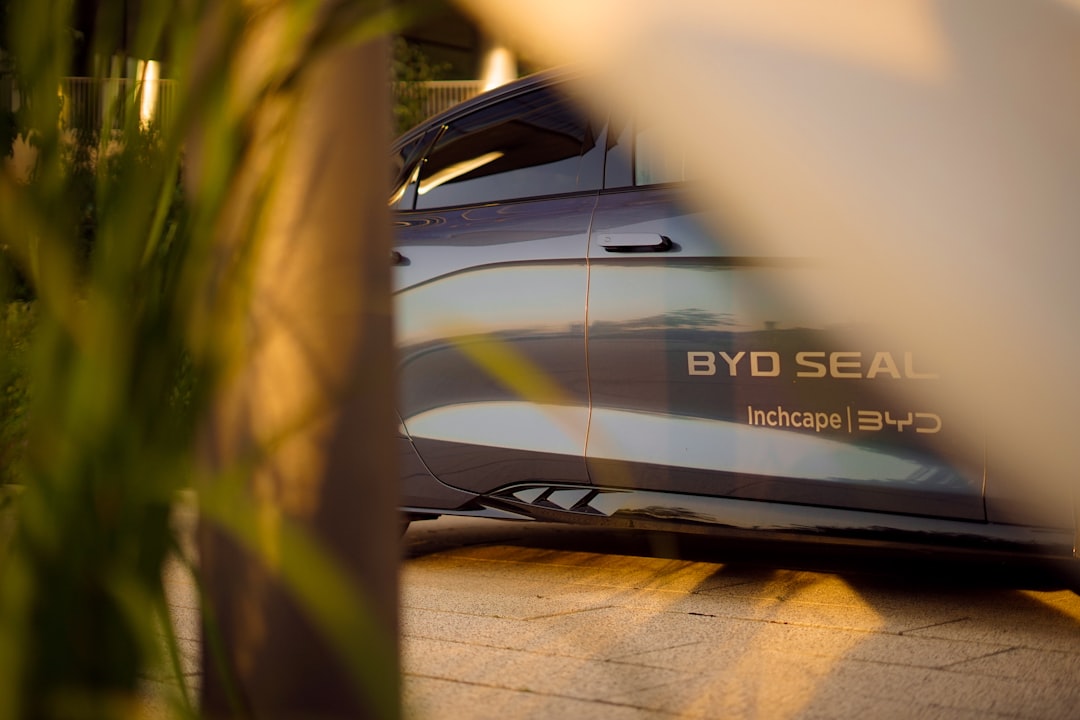
The BYD Seal 6 Touring is a plug-in hybrid wagon with up to 125 km of EV range and a starting price of $39,990, designed to entice Australian buyers.
The wagon, a once-popular vehicle class known for its practical design and family-friendly space, has been sidelined in recent years by the rising dominance of SUVs. Now, BYD is attempting a renaissance in the Australian market, and its tool of choice to achieve this is the newly launched BYD Seal 6 Touring. As a plug-in hybrid wagon with an enticing combination of range and affordability, BYD hopes this vehicle can carve out a niche in a competitive automotive landscape.
The BYD Seal 6 Touring: Key Specs
The BYD Seal 6 Touring is a plug-in hybrid electric vehicle (PHEV) with a headline feature of up to 125 kilometers of pure electric driving range. This figure, however, is measured on the NEDC (New European Driving Cycle) standard—a metric that tends to yield optimistic numbers compared to the newer and more stringent WLTP (Worldwide Harmonized Light Vehicle Test Procedure). For Australian buyers, real-world electric range may end up slightly lower, but the Seal 6 Touring still offers impressive efficiency credentials within its price segment.
Priced from $39,990, the Seal 6 Touring positions itself as an accessible option for drivers interested in electrified motoring without committing to a fully electric vehicle (EV). This price point may attract both existing hybrid users and first-time buyers looking to reduce fuel costs amid rising prices at the pump.
What Makes It Stand Out?
BYD’s attempt to revive the wagon market in Australia is rooted in a mix of practicality, efficiency, and evolving consumer needs. While SUVs and crossover models offer elevated driving positions and off-road aesthetics, wagons like the Seal 6 Touring emphasize aerodynamics, lower centers of gravity, and increased luggage space, catering to buyers who prioritize practicality over trendiness.
The Seal 6 Touring's dual power source—a hybrid drivetrain complemented by its pure electric range—targets consumers who want emission-free driving for short commutes or errands but prefer the assurance of a petrol engine for longer trips. This can be especially important in Australia, where infrastructure for EVs is improving but still inconsistent in rural and regional areas.
Comparison to the Competition
The Seal 6 Touring enters a market that has seen limited action from traditional wagons in recent years. Most automakers have pivoted to SUVs or sedans, leaving few alternatives in this category outside of premium models from brands such as Volvo or Audi.
However, the Seal 6 Touring does face competition from other hybrid and plug-in hybrid options—notably compact SUVs and crossovers that occupy similar price ranges with added appeal to younger, trend-conscious buyers. BYD's edge may lie in providing an EV range that outshines many competing plug-in hybrids, as well as its unique positioning as a modern wagon that balances efficiency and space.
Why Australia?
Wagons have historically enjoyed a loyal following in Australia, even if their success has waned. Australians value vehicles that offer plenty of cargo room for road trips and family outings but are cost-effective to run. The Seal 6 Touring's potential lies in appealing to buyers who feel overserved by hefty SUVs and underserved by smaller EVs with limited range or high price tags.
Additionally, by launching this hybrid wagon, BYD taps into the growing wave of interest in alternative fuel vehicles. As fuel costs rise and environmental awareness grows, Australian consumers are increasingly exploring low-emission vehicle options. The Seal 6 Touring provides an intermediate step for those hesitant to make the full leap into EV ownership.
Challenges to Overcome
Despite its appeal on paper, the BYD Seal 6 Touring faces significant hurdles. For one, wagons remain a niche segment in many markets, including Australia. Much of the car-buying public has already migrated to SUVs, and reversing that trend may prove difficult. BYD’s success will depend on its ability to market the Seal 6 Touring as a better choice—not just a marginally different one—than the average compact SUV or crossover.
Furthermore, perceptions about plug-in hybrid vehicles (PHEVs) can vary. Some critics argue that such models still rely heavily on fossil fuels and are a stopgap solution rather than a true answer to the environmental challenges posed by transportation. Buyers committed to environmental causes may instead gravitate toward fully electric models.
Looking Ahead
The launch of the BYD Seal 6 Touring is a bold move by the Chinese automaker, not just to carve out market share but also to redefine what wagons can offer modern drivers. Its combination of a hybrid platform, substantial EV range, and competitive pricing is designed to appeal to practical-minded Australians who demand performance, flexibility, and value.
Whether the Seal 6 Touring has what it takes to make wagons relevant again remains to be seen. But with a price point under $40,000 and a clear focus on bridging the gap between internal combustion and all-electric vehicles, it could be a sign of what’s possible in a market still figuring out its electrified future.
Staff Writer
Nina writes about new car models, EV infrastructure, and transportation policy.
Comments
Loading comments…


