Car Brands Facing Collapse: Chrysler, Infiniti, Mitsubishi, and More
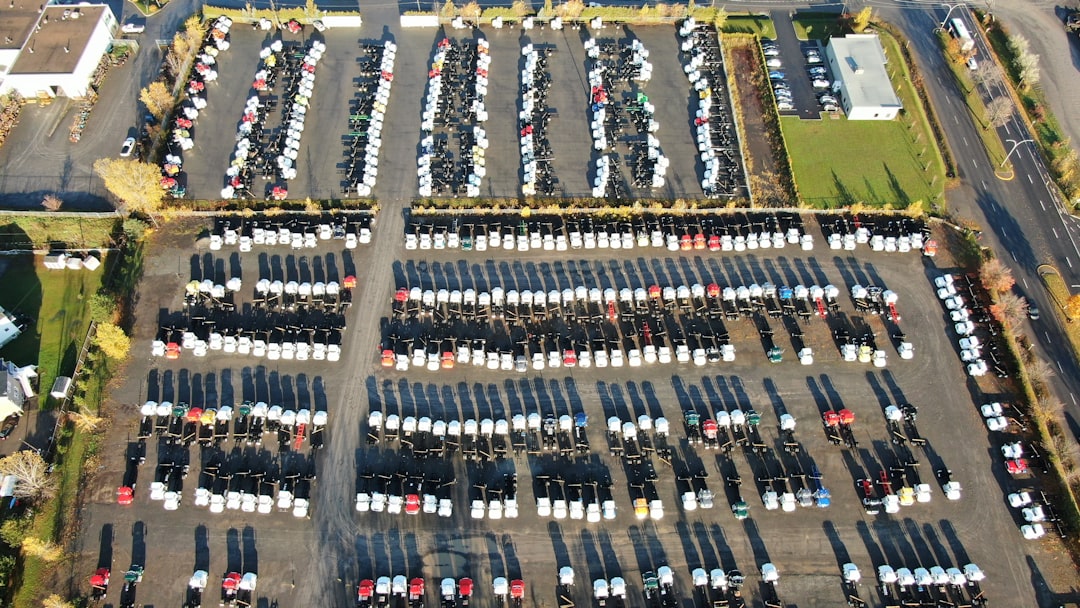
Several iconic car brands like Chrysler, Mitsubishi, and Jaguar are struggling with sales declines, surplus inventory, and dim futures.
The automotive industry is undergoing a seismic shift, and not every car brand is keeping up. While leading brands like Toyota and BMW are thriving, others are grappling with plunging sales, surplus inventory, and diminishing brand power. By 2026, some historically significant carmakers may face collapse. Let’s break down the reasons behind their struggles and what it means for consumers.
Stagnant inventory and falling sales: a buyer's warning
As of today, millions of unsold vehicles are sitting idle at dealerships. Auto loan debt has skyrocketed to $1.65 trillion, surpassing even student loan debt. Coupled with an average monthly car payment of $765 for new vehicles and $525 for used, the situation looks grim for both buyers and manufacturers. This glut in inventory is hurting automakers’ margins, weakening already struggling brands, and leaving buyers with riskier investments when it comes to vehicle depreciation.
Some once-iconic brands are facing the brunt of this crisis, with their dealerships flooded with unsold cars. Here’s a closer look:
Chrysler: a shadow of its former self
Chrysler is a name that resonates deeply with American automotive history. Known for inventing the minivan and producing legendary models, the brand has now dwindled to just two vehicles—the Pacifica and Voyager. However, demand for these has plummeted. Inventory levels for Chrysler vehicles currently stand at a staggering 190+ days of supply—three times beyond what a healthy market would maintain (50-60 days).
Key issues include:
- Ongoing reliability concerns
- A declining reputation linked to rental fleets
- Irrelevance in cross-shopping by buyers
Once a pioneer, Chrysler now faces dwindling consumer interest. If new car buyers ignore the brand, resale values will only continue to drop, creating long-term problems for existing owners.
Infiniti: from aspirational to avoidable
Infiniti was once a competitive brand in the luxury market, producing enthusiast favorites like the G35 and G37. But fast forward to today, and sales have declined by over 60% since 2007, with the brand struggling to break 55,000 annual sales in the U.S. Meanwhile, competitors like Lexus, Genesis, and BMW continue to evolve.
The situation is worsened by decisions like merging Infiniti dealerships with Nissan dealerships, diminishing its luxury appeal. This shift harms the brand's perception—spending $60,000 on a car displayed next to a Nissan Sentra doesn’t scream exclusivity. Reports of Infiniti dealers losing millions of dollars annually underline how deep the brand’s problems run.
Mitsubishi: an identity crisis
Mitsubishi once delivered cultural icons like the Eclipse and the Evolution (Evo), famed for their roles in motorsport and media like "Fast and Furious." However, Mitsubishi’s current lineup is devoid of that charisma. Models like the Eclipse Cross—a name that evokes nostalgia but disappoints in execution—sit unsold for over 200 days on dealership lots.
The brand faces additional challenges:
- A lineup dominated by uninspired budget crossovers
- Dependency on imports for the U.S. market, resulting in higher costs
Without compelling offerings and a unique identity, Mitsubishi struggles to connect with buyers.
Mini: pricing itself out of relevance
Mini was once synonymous with quirky, fun, and affordable small cars. However, today’s Mini models have deviated dramatically from those roots. The Mini Countryman, for example, has bulked up in size and price, now resembling mainstream compact SUVs. With some models exceeding $40,000, buyers are turning to alternatives like the BMW X1 or Audi Q3.
Even devoted fans are questioning Mini’s value. Inventory levels tell the real story: over 215 days of unsold Minis on dealership lots—a sign the brand has lost its core audience.
Alfa Romeo: emotional appeal, practical failures
Alfa Romeo enthusiasts may love the way their cars drive, but real-world issues plague the ownership experience. Average Alfa dealerships sell only five cars per month, an untenable figure for any business. This low dealership activity leads to poor service availability, unreliable parts supply, and increasing customer dissatisfaction.
Reliability continues to be a pain point for Alfa Romeo, with frequent electrical issues and high ownership anxiety. When buyers are spending $50,000 or more on a vehicle, uncertainty about dependability drives them to competitors.
Jaguar: an 80% decline
Perhaps the most dramatic downfall comes from Jaguar. Between 2018 and today, global Jaguar sales have declined by over 80%. Dealers now face an inventory shortage because the company has culled its lineup, shifted toward ultra-luxury EVs, and abandoned its traditional customer base.
The numbers speak volumes: fewer than 50 vehicles sold in a single recent month in Europe. For buyers, this raises a critical question—how reliable will support, service, and parts availability be in the years to come?
Brand collapses: honorable mentions
While the primary focus is on the major brands struggling in the U.S., two others deserve mention:
- Fiat: With a tiny U.S. market presence and vehicles that lack practicality for American needs, Fiat cars have failed to gain traction.
- Maserati: High depreciation (70% after three years on average), excessive ownership costs, and poor long-term value make Maserati another cautionary tale.
What this means for car buyers
If you’re in the market for a new vehicle, understanding the risks tied to struggling brands is crucial. Here's how buyers can protect themselves:
-
Resale value risk: Brands with weak demand see sharper drops in resale value. A heavily discounted model may be tempting but could lead to losses down the road.
-
Reliability concerns: Research brand reliability data. Persistent issues can escalate ownership costs and frustrations.
-
Incentives trap: Large discounts can mask larger problems. Consider the long-term implications, including the availability of parts and service.
Conclusion
While it’s tempting to focus on the deals that underperforming car brands offer, the long-term risks can outweigh short-term savings. Chrysler, Infiniti, Mitsubishi, Mini, Alfa Romeo, and Jaguar are just some of the brands grappling with declining sales, bloated inventories, and murky futures. For buyers, due diligence is key—investing in a vehicle isn’t just about today’s sticker price, but the overall ownership experience and long-term value one can expect.
Comments
Loading comments…


