Dacia Spring vs Ora Funky Cat: The budget EV battle between no-frills and retro tech
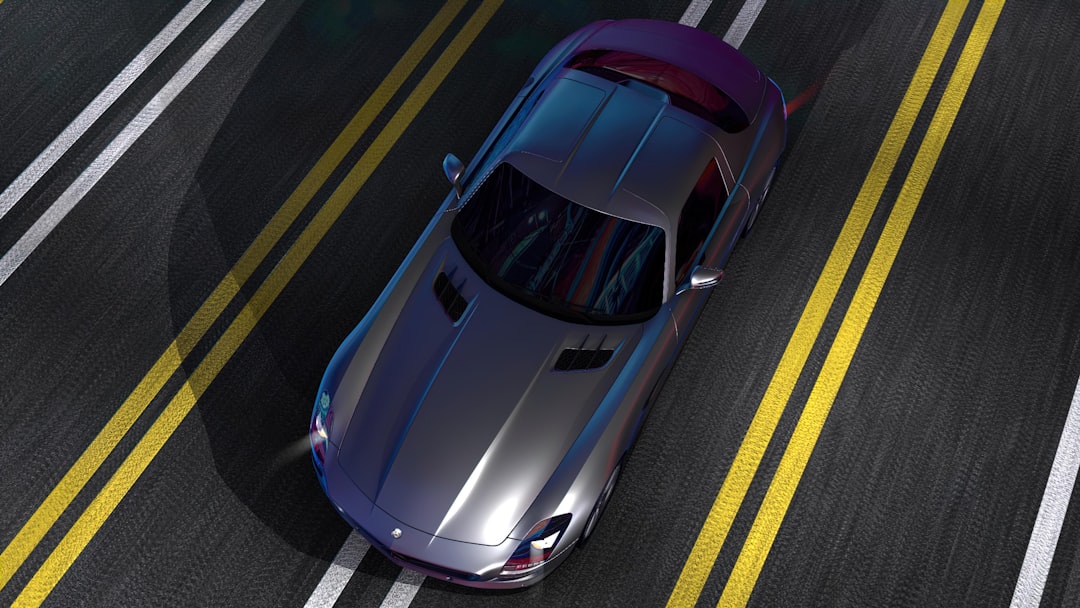
Two small electric cars with wildly different personalities: the no-frills Dacia Spring against the tech-packed Ora Funky Cat. Which one wins?
Electric cars are still too expensive for many buyers, but two small models are trying to fix that from opposite directions. The Dacia Spring is the cheapest EV you can buy in Europe, a no-frills city runabout that strips everything down to the bare minimum. The Ora Funky Cat, a Chinese import from Great Wall Motors, takes the opposite approach: retro styling, a digital cockpit, and a pile of tech features that make the Spring look like a golf cart with doors.
Both fit roughly the same urban niche, but they serve very different kinds of buyers. Here's how they stack up.
Size and urban fit
The Spring is tiny. At 3.7 meters long, it fits into parking spaces that make a Fiat 500 look spacious. That's by design: the Spring was born from a gasoline city car platform, and Dacia kept the dimensions tight for easy city maneuverability. The Funky Cat is a full foot longer at 4.2 meters. It's still compact by modern standards, but the extra length translates into more interior space for passengers and cargo. If you regularly carry adults in the back, the Funky Cat is the more practical choice. If you only need to squeeze into crowded European city centers, the Spring's smaller footprint gives you an edge.
Performance: one gets there, the other arrives with flair
The Spring's electric motor makes a modest 65 horsepower. That's enough to keep up with city traffic, but you won't be winning any stoplight drag races. The 0-100 km/h sprint takes a leisurely 13.7 seconds, and the top speed is limited to 125 km/h. It's fine for urban commuting and shorter highway stretches, but you'll want to plan your merges carefully.
The Funky Cat starts at 171 horsepower, which is a significant step up. It reaches 100 km/h in about 8.2 seconds and tops out at 160 km/h. That's not hot-hatch territory, but it's enough to make highway driving feel relaxed and safe. The Funky Cat has the kind of punch that lets you overtake without holding your breath. Both are fully electric, but the power difference is substantial.
Range: one is a city car, the other a city-plus car
Battery size tells the same story. The Spring packs a 27 kWh battery that delivers around 220 km of range according to the WLTP cycle. That number is honest: in real-world winter driving, you'll see closer to 150-180 km. For a daily city commute under 50 km round trip, that's fine. But forget about weekend trips without careful charging planning.
The Funky Cat's larger battery gives it up to 420 km of range. That's enough for a weekly commute plus a trip to the countryside. It doesn't match a Tesla Model 3, but it's competitive with the best small EVs from European and Korean brands. If you have access to a home charger and occasionally drive beyond city limits, the Funky Cat's range advantage matters.
Features: minimalist vs. overachiever
This is where the two cars reveal their true characters. The Dacia Spring is intentionally bare-bones. You get air conditioning, a basic infotainment screen with smartphone connectivity, and not much else. No driver assistance systems beyond the basics. No frills. Dacia's entire philosophy is affordable mobility, and the Spring delivers that by cutting every cost that doesn't directly affect moving the car. Some buyers appreciate the simplicity. No touchscreen fuss, no subscription services, just a steering wheel, pedals, and a battery.
The Ora Funky Cat throws everything at you. A fully digital cockpit replaces the traditional instrument cluster. Face recognition unlocks the car and adjusts the seat and mirrors to your profile. Voice control handles navigation and climate. The interior has a playful, retro-inspired design with metallic accents and a two-tone dashboard. It's a car that wants to be noticed and enjoyed. The Funky Cat also includes a comprehensive suite of safety features, including adaptive cruise control, lane-keeping assist, and automatic emergency braking.
Design and heritage
The Spring looks like what it is: a cheap, functional box on wheels. The styling is distinct but not pretty. Dacia, a Romanian brand owned by Renault, makes cars for buyers who see transportation as a tool, not a statement. The Spring follows that same pragmatic tradition.
The Funky Cat is a deliberate head-turner. Its round headlights, curvy silhouette, and chrome accents borrow heavily from 1970s Volkswagen Beetle and 1990s Mini Cooper nostalgia. The brand, Ora, is a sub-brand of China's Great Wall Motors, and this model is part of their push into European markets with affordable yet premium-feeling EVs. The Funky Cat makes no secret of its ambitions: it wants to offer the style of a retro coupe at a price that undercuts the Honda E and Mini Electric.
Price: the real dividing line
The Dacia Spring is one of the cheapest EVs on sale. In many European markets, after incentives, it costs less than a mid-range scooter. That low price is the Spring's only weapon, but it's a powerful one. For drivers who want to go electric on a tight budget, nothing else comes close.
The Ora Funky Cat costs significantly more. Exact pricing varies by country, but it lands somewhere between the Honda E and the Renault Zoe. It competes on features and range, not rock-bottom price. The Funky Cat is for buyers who want a small EV that doesn't feel compromised or cheap, without stepping up to a full-size car.
Who should buy which
If your commute is short, you have a garage or driveway for charging, and your absolute priority is paying as little as possible for an EV, the Dacia Spring is the obvious choice. You accept its limitations in performance, range, and refinement in exchange for the lowest possible entry price. It's a second car for city errands or a first car for new drivers who don't need highway speed.
If you want a small EV that feels modern, performs well, and can handle occasional longer trips, the Ora Funky Cat justifies its higher price. You get real driving range, enough power to merge onto highways without fear, and a cabin that doesn't feel like a punishment. The retro design is a bonus if you appreciate it, but the real value is in the usable range and comprehensive tech features.
Broader context
Both cars represent the two competing strategies in the small EV segment. Dacia shows that absolute affordability still works when you're willing to sacrifice everything non-essential. Ora shows that Chinese automakers can match or exceed European small cars on features and range while undercutting them on price. Neither car is perfect, but together they demonstrate that there is no single right answer in the budget EV race. The right car depends entirely on what you're willing to give up and what you insist on keeping.
Staff Writer
Nina writes about new car models, EV infrastructure, and transportation policy.
Comments
Loading comments…


