Electric vehicles face a systemic transition, not a simple tipping point, LSE research finds
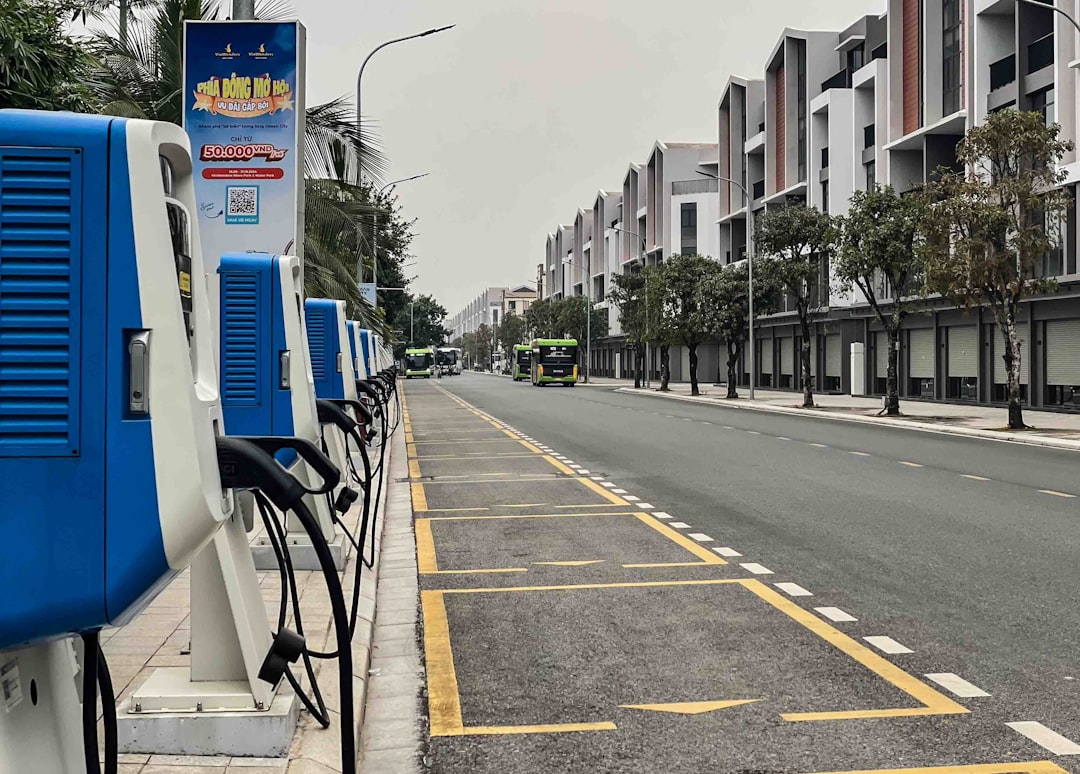
New LSE research argues the EV transition is systemic and path-dependent, not driven solely by oil prices. The tipping point concept oversimplifies a complex shift.
Rising oil prices tied to Middle East instability are pushing more drivers to consider electric vehicles. Some commentators see this as the moment EVs finally cross a critical tipping point into unstoppable growth. But new research from the London School of Economics, published in March 2025, argues that framing the transition as a simple tipping point misses what is actually happening. The shift to electric mobility is not a straightforward technology swap. It is a systemic, path-dependent transformation that can accelerate or stall depending on policy, infrastructure, and industrial strategy — not just the price of crude.
The LSE paper challenges the popular narrative that once EV adoption reaches a certain threshold, it becomes self-sustaining. That idea has been circulating for years. It appeals to climate-conscious audiences who want to believe the transition is inevitable. The researchers instead draw a more nuanced picture. They argue that the switch from internal combustion to electric drivetrains involves far more than swapping one powerplant for another. EVs sit at the center of a larger system that includes battery manufacturing, charging networks, electricity grids, software platforms, global supply chains, and government policy. All these elements interact. A change in one part of the system affects the others, which means the transition behaves very differently from a simple product replacement.
The paper points to earlier technology shifts — from film to digital cameras in the 1990s, or from feature phones to smartphones in the 2000s — as examples of what a rapid, self-accelerating transition looks like. Those were primarily information technology transitions. Once the core technology crossed a threshold in cost and performance, adoption exploded because the infrastructure already existed. Switching costs were low, and the benefits were immediately obvious to consumers. EVs do not enjoy that environment. A new charging station does not automatically appear when someone buys an EV. Grid capacity must be upgraded, supply chains for critical minerals must be developed, and consumer behavior must adapt to a different refueling rhythm.
This is where the concept of path dependence becomes central. The LSE researchers argue that the direction of the transition today is heavily shaped by decisions made yesterday. Early investments in charging infrastructure, early policy choices, and early industrial strategies determine what becomes possible later. China made those early bets aggressively and is now reaping the rewards. The country dominates battery manufacturing, has built a dense charging network, and has pushed EV adoption to levels that seem self-sustaining. Norway, using a sovereign wealth fund built on oil and gas revenue, subsidized EV purchases to the point where the transition is effectively complete. Other parts of Europe are moving quickly. But in many regions, progress is still slow, and in some places it has barely begun.
That geographic unevenness undermines the idea of a single global tipping point. The LSE paper argues there are multiple regional transitions happening at different speeds, each with its own conditions. Momentum can be fragile. EV adoption has historically occurred in waves that stalled and revived. The current surge is impressive, but history suggests that assuming inevitability is a mistake. Policy makers should not take continued growth for granted.
So what are the forces driving the transition, if oil prices are not the dominant factor? The paper identifies several. Cost matters, but not just the upfront price. Total cost of ownership — cheaper electricity per mile, lower maintenance — is increasingly attractive as EV prices fall and fuel prices fluctuate. Network effects are critical: more EVs justify more charging infrastructure, and better infrastructure reduces barriers for new buyers, creating a positive feedback loop. Complementary technologies like smart charging, grid management software, and digital platforms support the wider system. Policy — subsidies, regulations, industrial strategy — plays a crucial role, especially in the early stages of market disruption. Oil prices are one element among many, not the primary driver.
The LSE paper also addresses a long-standing criticism of EVs: reliance on geographically concentrated critical minerals like lithium, cobalt, and nickel. Critics have argued that swapping oil dependence for mineral dependence does not solve the geopolitical problem. The paper appears to treat this as a continuing risk. But developments since the paper was written may already be rendering that argument outdated. Battery chemistry is evolving faster than most analysts predicted.
Lithium iron phosphate (LFP) batteries are now widely used, especially in Chinese EVs. They contain no cobalt and typically no nickel, relying instead on iron and phosphate — abundant and widely available materials. LFP cells have lower energy density than nickel-manganese-cobalt (NMC) chemistries, which means slightly reduced range, but they are cheaper, safer (far less prone to thermal runaway), and last longer. For most use cases, that trade-off makes sense.
Beyond LFP, sodium-ion batteries are emerging as a viable alternative for urban EVs, commercial fleets, and stationary energy storage. Sodium is vastly more abundant than lithium and evenly distributed across the planet. Energy density is lower still, which limits long-range applications, but the technology demonstrates that the industry is not locked into a single set of materials. When one pathway hits constraints, engineers adapt. The system is showing the ability to respond to its own limitations.
That adaptability is the central insight of the LSE paper, even if the paper does not fully capture how fast battery chemistry is evolving. Systems adapt. When constraints appear, new technologies emerge, supply chains diversify, and innovation accelerates. The transition is not simply about scaling what already exists. It is about redefining what is possible.
So where does that leave the tipping point idea? The LSE researchers suggest thinking in terms of tipping dynamics rather than a single tipping point. Positive feedback loops are forming. Costs are falling. Infrastructure is expanding. Technology is improving. Key milestones are being reached in some regions. The system is becoming more resilient. But the shift is not yet self-sustaining everywhere, and it will not run on autopilot. It requires continued investment, policy support, and institutional attention.
The transition from a fossil-fuel-based transport system to an electrified, networked system is fundamentally different from swapping one product for another. Fuel-based systems are constrained by resource extraction and global supply chains — constraints made painfully visible by conflicts in the Middle East. Electrified systems are constrained by infrastructure and technology, and those constraints can be minimized through innovation. That is why the EV transition, while not inevitable, has genuine momentum that goes beyond a knee-jerk reaction to oil prices. The conditions for acceleration are falling into place in enough parts of the world to suggest the shift is becoming more durable.
The LSE paper offers a sobering but ultimately constructive framework. It warns against complacency while acknowledging real progress. For anyone watching the Middle East and wondering whether high gas prices will finally push EVs over the edge, the answer is more complicated than a simple yes or no. Oil prices can boost interest, but the transition will sustain itself only if the broader system — policy, infrastructure, supply chains, technology — continues to evolve. The foundation is being built. Whether it holds depends on what happens next.
Staff Writer
Nina writes about new car models, EV infrastructure, and transportation policy.
Comments
Loading comments…


