Dutch RDW’s cautious stance on Tesla's Full Self-Driving system
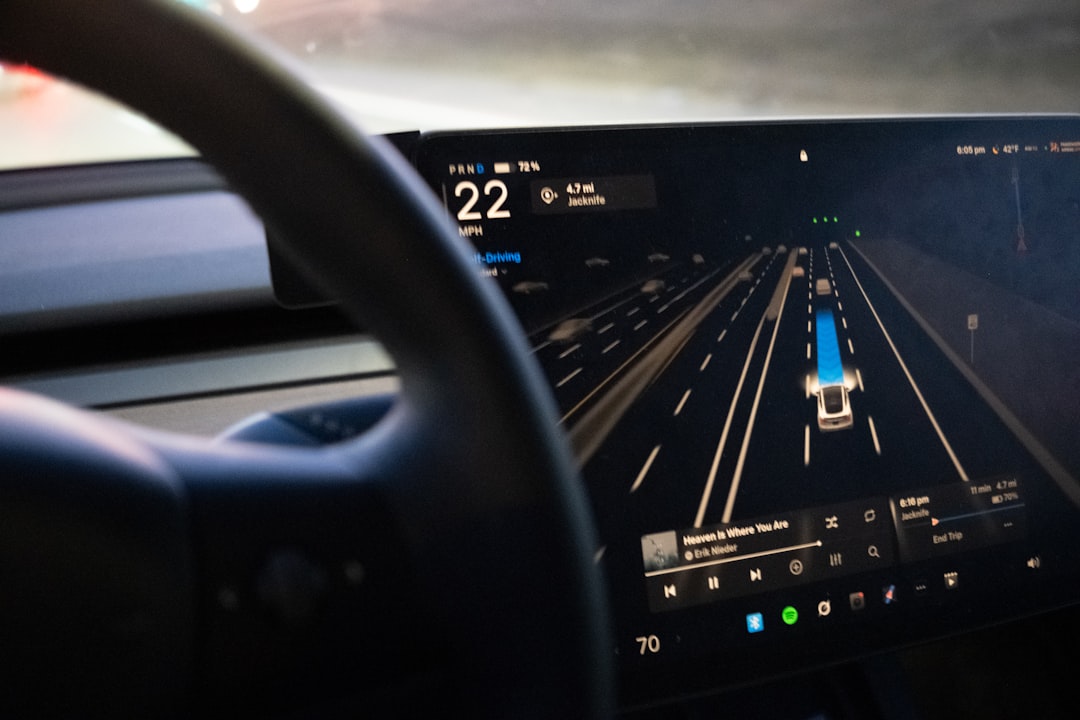
The Dutch RDW responded to Tesla's claims about Full-Self Driving approval, emphasizing the need for thorough testing and measured progress.
Tesla's ambitious plans for its Full Self-Driving (FSD) technology in Europe have once again drawn attention, with a recent response from the RDW, the Dutch vehicle authority responsible for automotive regulatory oversight. The RDW's carefully worded statement highlighted their measured approach while responding to Tesla's public timeline for European FSD approval. Here’s how the situation has unfolded.
RDW's response to Tesla’s claims
On March 20, 2026, Tesla Europe released a message on X (formerly Twitter), indicating that its FSD system was in the “final phase” of the approval process in Europe. The announcement sparked widespread interest and media inquiries, prompting the RDW to issue a formal response. This marked the second time the RDW has stepped in to clarify their stance regarding Tesla's public claims—a break from their usual practice of withholding commentary on ongoing approval processes.
The RDW acknowledged the high level of interest surrounding the topic. In their statement, they confirmed two key points: the extensive testing program for Tesla's FSD had indeed entered its concluding phase, but no specific timeline had been established for final approval. The RDW emphasized their commitment to thoroughly reviewing the collected data and test results before making any decisions.
Key milestones in the approval process
The Tesla FSD evaluation has been underway for 18 months, involving a rigorous joint testing program. The RDW stressed the importance of this step-by-step assessment process, which is designed to leave no room for rushed decisions. Throughout this period, Tesla submitted data and test results for review, working closely with European regulators to meet the requisite safety standards.
The stakes are high for all parties involved. For Tesla, the ability to offer FSD capabilities in Europe represents a significant step forward. Meanwhile, the RDW must balance technological advancements with the paramount importance of public safety. This tension underlies some of the friction between the two entities.
Why the RDW issued a response
In a notable departure from its standard procedure, the RDW deemed it necessary to publicly address Tesla's statement. Generally, the authority does not comment on ongoing regulatory applications, considering such processes "market-sensitive." However, Tesla’s decision to release public information about its progress has placed the RDW under a spotlight, compelling them to clarify the status of the evaluation.
The RDW's concern may stem from the risk of creating misunderstandings among potential Tesla customers. A misinterpreted timeline, or the presumption of immediate regulatory approval, could unfairly influence consumer expectations and market dynamics. In their roles as regulators, the RDW appears firm in its commitment to temper such hasty conclusions.
Tesla’s FSD claims: optimism vs. caution
Tesla is known for its bold assertions and aggressive timelines when promoting advancements in its autonomous technology. By stating that the FSD assessment process is in its “final phase,” Tesla effectively projected confidence in its progress. However, the RDW appears less willing to commit to similar optimism, refraining from endorsing firm timelines.
A particularly contentious element in Tesla's message was the suggestion of a potential April 10 approval date. The RDW did not validate this date, instead reiterating that decisions would be made only after thoroughly analyzing the submitted data. This discrepancy further highlights the contrasting approaches of Tesla’s open marketing style and Europe’s traditionally cautious regulatory environment.
The broader European context
Unlike the U.S., where some regulatory authorities and states have provided Tesla with the flexibility to trial FSD, Europe’s approval process functions under more stringent guidelines. European authorities, including the RDW, prioritize incremental and transparent testing to ensure that no safety concerns arise.
Tesla’s decision to engage the public and disclose progress reflects its strategy of maintaining customer interest and confidence. Over the past 18 months, FSD system testing in Europe has reportedly accumulated 1.8 million kilometers of operational data—a promising statistic in the context of validating the technology's real-world performance. Still, this figure does not guarantee automatic approval, as the final months of evaluation remain crucial.
Practical takeaways
- No confirmed date: Despite Tesla’s suggestion of an April 10 timeframe for FSD approval in Europe, the RDW has not committed to any specific deadlines.
- Thorough testing continues: The RDW emphasized that all submitted data, encompassing performance, safety measures, and comprehensive testing, must pass rigorous evaluation before any decisions are made.
- Public safety first: Throughout the process, the RDW underscored its priority of safety above all else, mirroring the cautious regulatory approach prevalent across Europe.
Conclusion
Tesla’s FSD system might be closer than ever to European rollout, but regulatory hurdles remain. While the RDW acknowledged significant progress in the approval process, they also highlighted the need for careful scrutiny of all submitted data before issuing an official verdict. With no endorsement of Tesla’s proposed timeline, the conversations between Tesla and European regulatory bodies underscore the complexity of bringing autonomous driving technology to new markets.
As of now, European Tesla customers eager to explore FSD will need to remain patient. Given the RDW's detailed, safety-focused review, a rushed conclusion seems unlikely. The final decision will hinge on whether Tesla can convincingly prove the reliability and safety of its system, setting an essential precedent for broader adoption across Europe.
Staff Writer
Mike covers electric vehicles, autonomous driving, and the automotive industry.
Comments
Loading comments…


