Electric cars vs. the cold: How freezing temperatures challenge EV performance
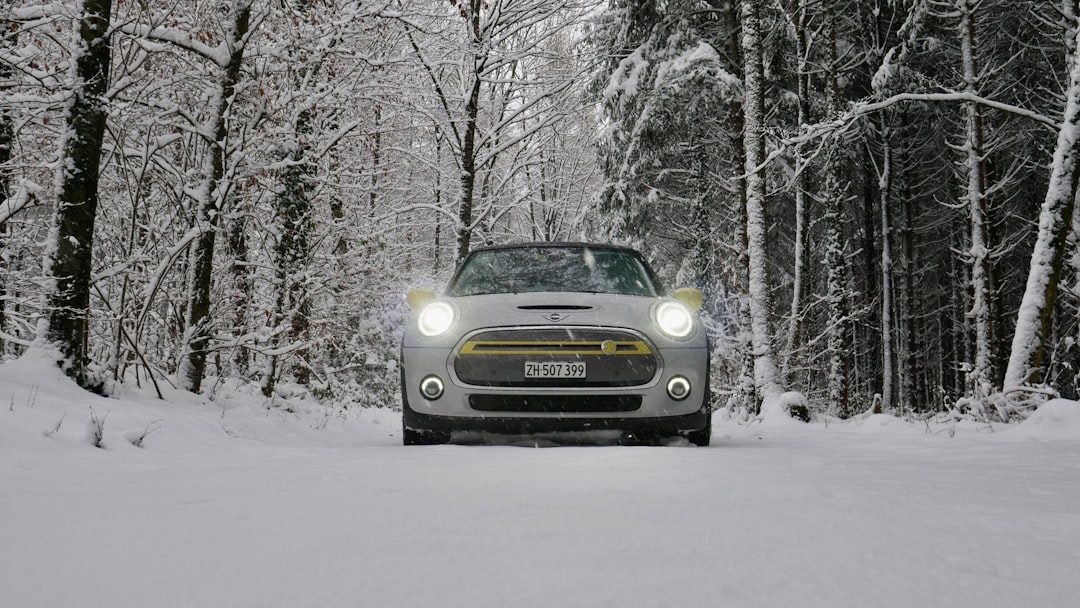
Cold weather zaps EV battery life, raising questions about reliability and what buyers should expect in winter conditions.
As electric vehicles (EVs) become more common on the roads, winter has emerged as an unexpected adversary for their batteries. Recent reports reignite debate over whether EVs can maintain their reliability in extreme cold. Unlike gas-powered cars, which rely on internal combustion engines that tend to perform consistently across temperatures, EVs face specific challenges when the mercury drops. From diminished range to charging station woes, winter exposes the weaknesses in today’s EV technology—but also the opportunities for improvement.
How cold weather affects EV performance
At temperatures of 20°F (around -6°C) or below, EVs experience noticeable performance drops. According to data from the American Automobile Association (AAA), the driving range of an electric vehicle may decrease by as much as 41% when the heater is in use. Imagine setting out on a trip expecting your car’s stated range of 100 miles, only to discover that you can go just 59 miles before needing a recharge. This decline presents a stark contrast to internal combustion engine (ICE) vehicles, which don’t lose significant operational efficiency in winter conditions.
Why does this happen? Cold weather impacts lithium-ion batteries, the power source for most EVs. These batteries operate via chemical reactions that slow down when temperatures drop, reducing their efficiency. Simultaneously, the need for cabin heating places additional stress on the car’s energy reserves. Unlike gas cars, where heat is a byproduct of the engine, EVs must actively use their battery power to heat the cabin. This creates a perfect storm of diminished range and increased demand.
Real-world cases highlight the challenge
EV manufacturers are aware of these issues, but recent high-profile cases have reminded the public of their severity. Ford CEO Jim Farley recently took a road trip in the company’s electric F-150 Lightning pickup. During his journey, he encountered challenges finding reliable charging stations, which were compounded by the cold weather's impact on the truck’s range. Farley’s experience underscored the point that even EV drivers who meticulously plan charging stops can face obstacles, particularly in areas with underdeveloped charging infrastructure.
The struggles aren’t limited to Ford. Tesla, one of the most recognizable names in the EV industry, has also been the subject of scrutiny during cold waves. Reports from EV drivers across the country describe their frustration as winter temperatures cut their range, leaving some stranded between charging stations. The issue is particularly concerning in regions with harsh winters, where EV adoption might be slower to gain traction unless manufacturers address cold-weather performance.
Heating up a cool debate
While the physical science behind EV performance drops in the cold is well understood, the public discourse around it continues to divide opinions. Critics argue that these challenges highlight the unreliability of electric cars compared to their gasoline-powered counterparts. For those used to the ubiquity of gas stations and the dependability of combustion engines, EVs may seem like a gamble, especially in extreme climates.
On the other hand, EV proponents note that the technology is still evolving rapidly. Automakers are investing heavily in battery research to improve energy efficiency, cold-weather tolerance, and charging speeds. For example, next-generation solid-state batteries promise better cold-weather performance, although they remain a few years away from mass production.
The bigger context: EVs and the auto industry’s transition
These cold-weather challenges come at a pivotal juncture for the EV market. The United Auto Workers (UAW) union is preparing for a possible strike, with the transition to electric vehicles serving as a key sticking point in negotiations. Automakers are pouring billions of dollars into EV development to comply with stricter emissions regulations and meet consumer demand for greener vehicles. However, this shift has caused tensions between manufacturers and unionized workers, who fear job losses as EV production requires fewer parts and, by extension, fewer labor hours.
For consumers, the transition raises another question: Are EVs ready to replace ICE vehicles on a mass scale? The answer depends heavily on continued improvements in battery technology and charging infrastructure. Cold-weather performance is one area where tangible progress could significantly affect public perception.
EV buyers: What you need to know
If you’re considering an EV purchase, winter performance should weigh into your decision, especially if you live in colder climates. Here’s what you can do to mitigate the challenges:
- Plan your routes carefully: In areas with limited charging stations, it’s vital to map out your stops, especially during long trips.
- Precondition your vehicle: Many EVs allow you to heat the car’s interior and battery before driving, which can help maintain performance.
- Be realistic about range: Assume your car will lose some range in cold weather and plan accordingly.
- Choose models with proven winter capabilities: Some EVs fare better in winter than others. Look for reviews and tests specific to cold-weather performance.
The road ahead
As the auto industry pivots towards electric vehicles, winter performance will remain a key area of development. Automakers face the dual challenge of improving battery technology and expanding charging networks to make EVs a viable option in all climates. While today’s EVs may falter in freezing weather, they pave the way for innovations that could one day make such concerns a thing of the past.
For consumers, understanding the limitations and opportunities of EVs is essential. There’s no denying the environmental and long-term economic benefits of going electric, but cold-weather reliability remains a critical factor that companies must address to win over hesitant buyers.
Staff Writer
Mike covers electric vehicles, autonomous driving, and the automotive industry.
Comments
Loading comments…


