Electric resurgence? Tesla and the question of zero-plan confidence
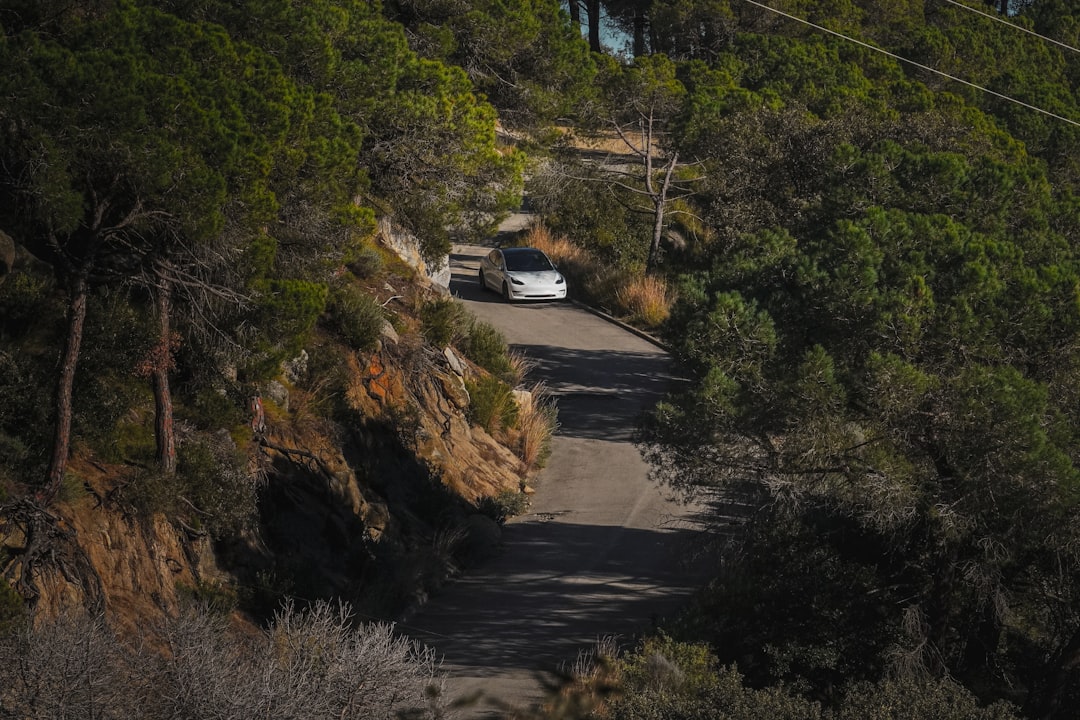
As EV demand rebounds amid global tensions, Tesla faces scrutiny over stock value and innovation in an uncertain market.
Tesla, the iconic electric vehicle (EV) manufacturer, is in a moment of contrasts. The brand is often associated with cutting-edge design, autonomous driving technology, and bold promises about the future of transportation. But if recent developments and conversations among enthusiasts are any indication, the company is navigating rocky terrain amid global challenges.
Stock struggles amid market complexities
Tesla’s stock value has reportedly halved, leaving investors in a state of shock. Once a symbol of near-limitless potential, the company's valuation is now seen as a cautionary tale about market volatility and the challenges of sustaining exponential growth. While the specific causes are open to interpretation, the broader economic climate paints a worrying picture. Ongoing geopolitical tensions, such as conflicts that impact crude oil supply chains, are undoubtedly influencing not only energy markets but also investor confidence in related industries.
Gas prices driving EV reconsideration
One of the most striking aspects of the conversation around Tesla is the irony of how global conflicts have renewed attention on electric alternatives. High gas prices, particularly in regions like California, remind many consumers of the vulnerabilities tied to fossil fuel dependency. The enthusiasm behind returning to EV options, as highlighted in recent social chatter, showcases a growing realization: while gas-powered cars are consistent with the "status quo," they are increasingly impractical as market forces and global politics create destabilizing ripple effects.
The "zero-plan confidence" approach
An intriguing phrase emerging from Tesla circles lately is "zero-plan confidence." This seemingly paradoxical mindset reflects a shared optimism about the brand’s ability to innovate, even when plans seem less than concrete. For example, enthusiasts have pointed to projects that remain dormant—a Tesla vehicle sitting for over a year, or promises that linger on the horizon—yet there’s a sense of trust in the company’s capacity to "turn things around."
In a viral moment, an incomplete Tesla vehicle was revived after long periods of inactivity and likened to a spontaneous rebirth. The emotional resonance of watching such a car "come alive" metaphorically mirrors the faith some stakeholders continue to have in Tesla overcoming its challenges. "We’ll finish next weekend"—statements like these highlight the casual, almost improvisational confidence some feel toward restoring not only old vehicles but the brand’s larger promise.
Apocalypse-ready: The survival mindset
When discussing Tesla's potential, the dramatic takes are never far behind. Another recurring theme is the idea of preparing Tesla vehicles for "apocalyptic times." It’s not entirely clear whether this sentiment stems from genuine prepper ideology or simply reflects consumer fascination with Tesla’s advanced technology—like its software-first design—that could conceivably maintain high functionality in extreme scenarios.
Enthusiasts often emphasize the need for ongoing revisions: tuning, upgrading, and optimizing old Tesla models for newer challenges. This extends beyond mere functionality into a broader philosophy of adaptability. For an automobile that’s "everything computer," as some have noted, the possibilities of what you can do—even in strained or chaotic contexts—carry a particular allure.
What’s next for Tesla?
Part of Tesla's enduring fascination is its unpredictability. While no official announcements or plans directly align with the "zero-plan confidence" sentiment, the broader EV industry appears energized by rising demand as consumers reconsider their energy choices. Could Tesla’s current stock struggles be short-lived? That depends on the company’s ability to innovate—and re-ignite consumer interest—in a way that delivers real-world usability at a sustainable price point.
The road forward must balance accessibility with groundbreaking utility. If recent buzz about vehicles being repurposed and "revived" is any sign, part of Tesla’s appeal will continue to lie in its perceived flexibility. The belief that these vehicles are built not just for today but equipped for unforeseen futures drives Tesla loyalists to double down even during downturns.
While Elon Musk and Tesla remain tight-lipped about how they will combat shifts in their stock value and broader industry skepticism, the appetite for reinvention remains high. With global tensions increasing demand for alternatives to fossil fuels, the pressure is on Tesla—not just to meet market demand, but to do it with the same audacity that brought the world to its doorstep in the first place.
Staff Writer
Mike covers electric vehicles, autonomous driving, and the automotive industry.
Comments
Loading comments…


