Ferrari Prioritizes V12 Engines Over Full Electric Vehicles
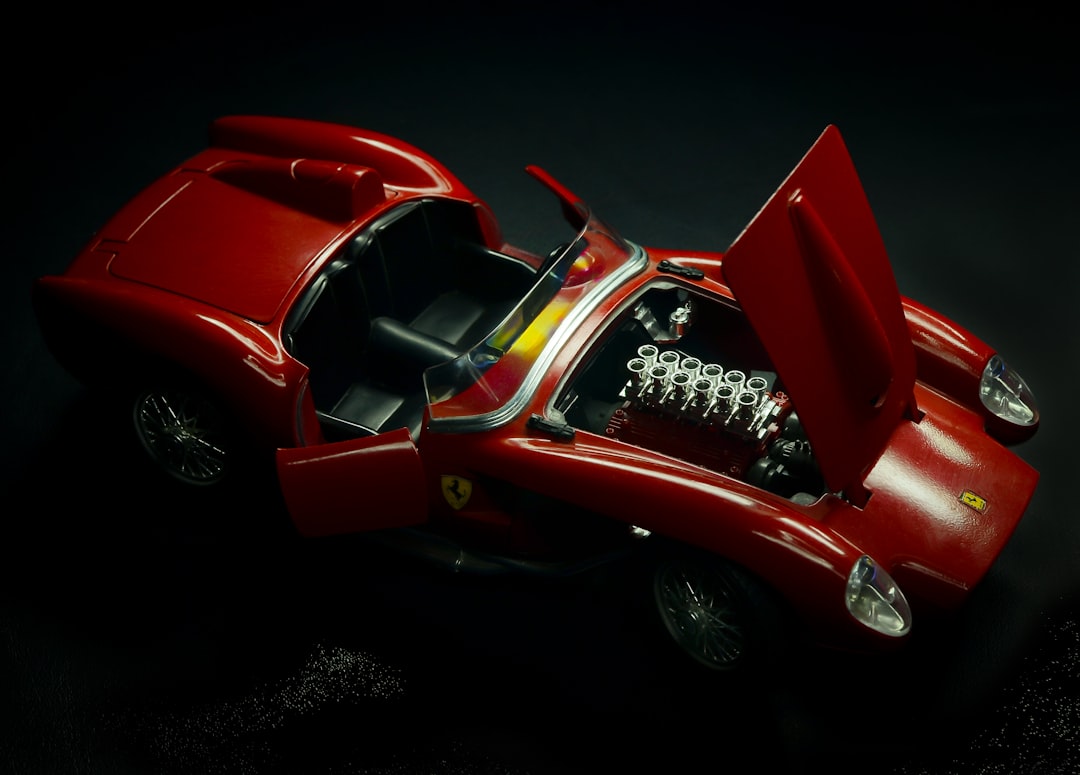
Ferrari is shifting focus away from all-electric vehicles to preserve their iconic V12 engine. Is this a bold move or resistance to change?
Ferrari has made a striking decision to steer away from the all-electric vehicle trend, choosing to focus instead on preserving the legacy of its iconic V12 engine. This decision, highlighted in a recent video titled "Ferrari Just SAVED the V12 (by killing their EVs)," signals a major divergence from the broader auto industry, which has largely pivoted towards electrification.
A Move to Protect the V12 Engine
The legendary Ferrari V12 engine has been a hallmark of the brand’s identity for decades. Known for its unmatched power, visceral sound, and engineering excellence, the V12 is central to Ferrari’s reputation as a purveyor of high-performance sports cars. By stepping back from fully committing to electric vehicles, Ferrari is signaling its intent to preserve and sustain this engine format, which has come to define their brand in the automotive world.
This move is notable given the growing push for electric vehicle adoption across the auto industry. Governments worldwide are implementing stricter emissions regulations, automakers are rushing to debut fully electric lineups, and public consciousness around environmental sustainability is at an all-time high. Against this backdrop, Ferrari’s decision places a spotlight on its prioritization of tradition and a commitment to the enthusiast community that values the classic combustion engine experience.
Ferrari vs. Industry Trends
While leading automakers hasten to transition their fleets to include electric vehicles, Ferrari’s approach may seem counterintuitive. Companies like Tesla, Porsche, and other high-performance automakers have invested heavily in innovation to combine speed and eco-friendliness. Electric supercars are no longer theoretical; they are fast, efficient, and increasingly popular.
Ferrari’s decision to prioritize the V12 over a full EV lineup might place the company at odds with broader market trends. Yet, it also solidifies Ferrari’s focus on catering to purists who view the combustion engine as an integral part of the authentic supercar experience.
Questions About the Future
Ferrari’s move to dial back its electric ambitions raises numerous questions about how it plans to navigate a rapidly changing automotive landscape. Can the company continue to refine its V12 engines while adhering to increasingly stringent emissions laws? Will luxury performance car buyers continue to demand traditional engines as global infrastructure increasingly supports EVs?
One could argue that Ferrari’s strategy is rooted in creating vehicles that stand apart from the competition, leaning on its heritage in a way that draws customers for whom the V12’s performance and emotional impact outweigh the growing allure of electrification.
Bold or Risky?
Ferrari's decision shows a clear stance—it values the inherent performance and heritage tied to its V12 engines. But this brings both risks and rewards. On the one hand, Ferrari preserves its authenticity for the die-hard enthusiasts who have powered its global success. On the other, it slows the brand's alignment with cleaner, electric-powered technologies that are becoming critical in public and regulatory discussions.
In an industry dominated by rapid innovation and transformation, Ferrari’s decision challenges the mainstream electrification narrative. Whether this will secure a loyal, niche market or lead to missed opportunities in the larger EV revolution remains to be seen. According to the video description, the debate continues: are Ferrari’s top minds adapting ingeniously to preserve its legacy, or resisting change at their peril?
The automotive world will certainly be watching to see how this decision impacts Ferrari’s future in the years ahead.
Staff Writer
Nina writes about new car models, EV infrastructure, and transportation policy.
Comments
Loading comments…


