Fuel Crisis, Chinese Car Crackdown, and Renault EV Ban: What Australians Need to Know
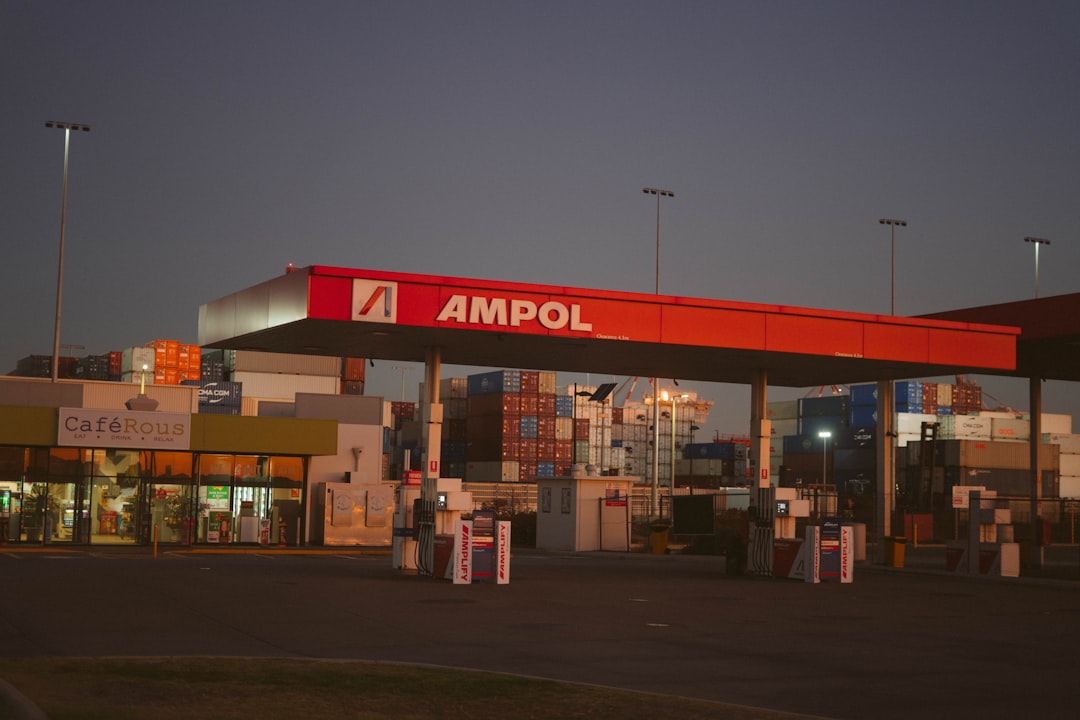
Australia faces a fuel crisis, scrutiny of Chinese car brands, and the banning of the Renault EV. Here's how it might impact drivers and the automotive market.
Fuel crisis fuels tension in Australia
Australia finds itself at a crossroads between rising fuel costs and government intervention as the global market grapples with supply uncertainties. With the ongoing conflict in Iran disrupting oil shipments, the Australian government has admitted that fuel rationing could soon become a reality—a notion last seen nearly 50 years ago during the 1970s oil shock. Panic among motorists is already visible, with long lines at petrol pumps and stores selling out of jerry cans. What’s driving this alarming behavior? According to government officials, it’s partly due to fear-driven panic buying, which only adds to the supply issues.
Efforts to manage the situation include releasing 20% of Australia's fuel reserves and temporarily relaxing fuel quality standards to allow higher sulphur content fuel. This move raises questions about potential impacts on vehicle performance. Currently, the nation has about 30 days of fuel reserves, and shipments from refineries in Asia, like in Singapore and China, keep the supply chain moving—though for how long remains uncertain. Motorists might want to brace for not just rising fuel prices but also changes in vehicle shopping habits. Electric vehicles (EVs) and hybrids, often viewed as a buffer against surging petrol costs, are surfacing as viable alternatives. This shift ties directly to another issue capturing headlines.
Prime Minister targets Chinese car brands
In the midst of the fuel supply shortfall, Prime Minister Anthony Albanese has set his sights on the influx of Chinese car brands entering Australia. Speaking at the Australian Automotive Dealer Association (AADA) conference, he issued a clear message to these brands: comply with Australia’s regulatory standards or face consequences. Over the past five years, 28 new car brands have entered the Australian market, most originating from China. Their appeal lies in affordability, especially during times of high fuel prices, but these brands are reportedly straining under their own rapid expansion.
Some Chinese manufacturers are struggling to provide adequate parts and service networks to support their booming sales, and this has led to customer dissatisfaction. For instance, BYD, one of the leading Chinese brands, is managing nearly 1,000 vehicles per dealership—a stark contrast to Toyota’s 850 vehicles per dealership after decades of building its network. The Australian government plans to address these issues by urging Chinese brands to stockpile parts locally and to improve transparency in their operations. New legislation aimed at protecting dealerships and, by extension, consumers, is expected to roll out by 2026.
However, the sudden shift in government policy has been met with skepticism. Critics argue that the government had previously welcomed these affordable EVs to help meet emissions targets and provide relief from high living costs. The backlash now seems more like damage control than long-term planning.
Mazda’s uneasy reliance on China for EVs
As the government scrutinizes Chinese automakers, legacy brands are also making calculated moves in this dynamic market. Mazda, typically associated with Japanese-built reliability, is set to introduce two EV models—the Mazda 6E sedan and CX-6E SUV. However, these electric vehicles will be manufactured in China through a partnership with Changan Auto, raising eyebrows among loyalists.
Mazda’s top management admits that consumer attitudes toward Chinese-built vehicles have softened, largely due to China’s dominance in EV manufacturing. The collaboration provides Mazda with access to advanced EV technology and cost-effective production, enabling competitive pricing. Still, the question remains: Can Mazda, long associated with Japanese quality, convince Australians that its Chinese-made EVs uphold the brand's legacy? The answer will hinge on whether these models meet customer expectations when they arrive in showrooms.
Renault EV: Banned by design regulations
Another EV entry making waves for all the wrong reasons is the Renault 5. Touted as an exciting addition to Australia's EV market, it has been blocked from sale due to an unconventional roadblock—design compliance. Australian Design Rule 34 requires passenger cars to have a top tether anchor for the middle rear seat’s child restraint system. The Renault 5 lacks this feature, and fixing the issue would reportedly cost the company $5 million—a hefty price tag for a niche product in a limited market.
The absence of this critical feature means Renault has decided against entering the Australian market for now. The brand's hesitation signals that stringent domestic regulations might deter other niche EVs from arriving, slowing the push for widespread EV adoption.
Key takeaways for Australian drivers
-
Fuel conservation may become critical: With only 30 days of reserves, rationing is a possibility. Motorists should consider carpooling, reducing non-essential trips, and exploring vehicle alternatives.
-
EVs might gain traction despite challenges: Rising petrol costs and fuel supply shortages could boost interest in electric and hybrid vehicles, even as market entrants face greater scrutiny.
-
Support networks matter for new car buyers: Whether you’re buying a vehicle from a new Chinese brand or a long-established company, verify the availability of parts and after-sales service.
-
Government policies could reshape the market: With tougher regulations on automakers and protections for dealers in the works, buyers can expect shifts in vehicle availability and pricing structures by 2026.
Conclusion
Australia’s automotive landscape is undergoing significant changes fueled by rising petrol prices, growing interest in EVs, and government regulations. While debates continue over the nation’s preparedness for a fuel crisis, it’s clear that these shifts will influence consumer behavior, dealership operations, and market dynamics in the years to come. Motorists and car buyers would do well to stay informed and adapt to these evolving trends.
FAQ
Why might Australia face fuel rationing? Australia’s fuel supply has been affected by the conflict in Iran, reduced imports, and panic buying, leaving only 30 days of reserves for petrol, diesel, and jet fuel.
What are the new regulations for Chinese car brands? The Australian government is pushing Chinese automakers to stockpile spare parts, ensure better servicing networks, and comply with stricter standards to remain in the market.
Why is the Renault 5 EV banned in Australia? The Renault 5 does not comply with Australian Design Rule 34, which requires a top tether child seat anchor for the middle rear seat. Resolving the issue is cost-prohibitive for Renault at this time.
Are EVs from China reliable? China leads in global EV manufacturing, but concerns about after-sales service, parts availability, and quality may still arise for new entrants to the Australian market.
How is the Australian market reacting to higher fuel prices? Higher fuel prices are prompting buyers to consider EVs and hybrids, which could permanently shift preferences away from traditional petrol-powered vehicles.
Staff Writer
Mike covers electric vehicles, autonomous driving, and the automotive industry.
Comments
Loading comments…


