Honda's $15.7 Billion Loss Marks First Annual Deficit in Nearly 70 Years
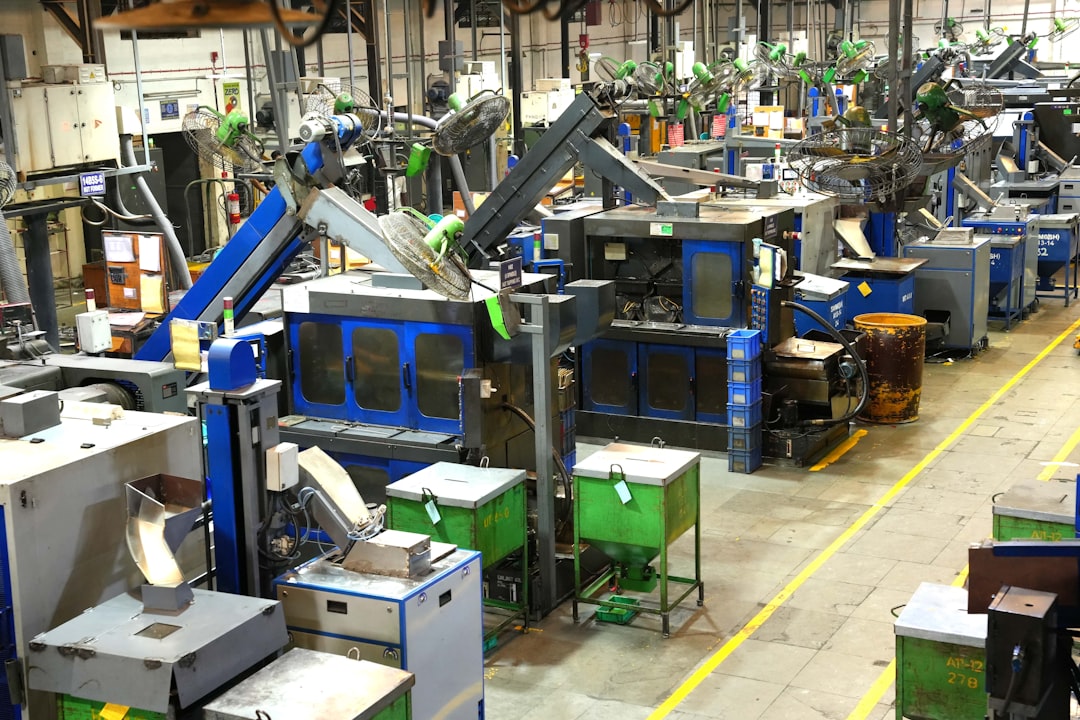
Honda cancels three planned electric vehicle models, leading to its first annual loss since 1957, citing weak EV demand and stiff competition.
Honda Motor Company has reported its first annual loss in 69 years, with a staggering $15.7 billion write-down. On March 12, 2026, the Japanese automaker announced that it was canceling three planned electric vehicle (EV) models intended for the U.S. market, marking a significant shift in its EV strategy. This financial loss breaks Honda's profitability streak dating back to its stock market debut in 1957.
Honda's EV Strategy Reversal
The three canceled EV models are the Honda Zero SUV, the Honda Zero Saloon, and the Acura RSX. These vehicles were slated for production at Honda’s dedicated EV hub in Ohio later this year. However, sharp drops in EV demand, combined with an increasingly competitive global market, have caused Honda to reevaluate its plans.
Honda CEO Toshihiro Mibe cited several reasons for this decision. “EV demand has fallen sharply, making it very difficult to sustain profitability,” he noted during a press conference. The presence of well-funded emerging automakers has created intense competition, particularly in China, where local companies such as BYD have surged ahead with advanced, software-driven EVs.
Global Challenges in the EV Sector
Honda’s troubles are set against a backdrop of wider industry challenges. The automaker is not alone in struggling with EV write-downs. Other major car manufacturers have also been forced to adjust their strategies, leading to an estimated $70 billion in global EV-related write-offs in recent years. Key losses include:
- Stellantis: $26 billion
- Ford: $19.5 billion
- General Motors: $7.6 billion
Analysts have described these write-offs as “the single biggest capital allocation mistake in automotive history.”
U.S. Policy Shifts and Competitive Pressures
The EV market has been distinctly affected by the repeal of government incentives for electric vehicles under President Donald Trump’s administration. The rollback of subsidies, combined with relaxed fossil fuel regulations, left automakers struggling to justify investments in mass-market EV production. Weak consumer interest in EVs in the U.S. and competition from Chinese manufacturers have only added to the pressure.
Honda’s difficulties in China also contributed to its significant losses. The company admitted that it struggled to compete with advanced EV technologies coming from local competitors in the Chinese market. As a result, it is projecting a $3.6 billion loss for the fiscal year ending March 2026, a sharp reversal from the earlier forecast of a $3.5 billion profit.
Strategic Shifts at Honda
Facing these challenges, Honda has outlined changes to its future strategy. The company has shifted its focus from purely electric vehicles to a more balanced lineup, emphasizing hybrid models in markets where EV demand remains uncertain. Honda also plans to focus on India as a market for growth, where vehicle demand is expected to rise steadily in the coming years.
In terms of leadership, CEO Toshihiro Mibe and Executive Vice President Seiji Kihara announced they would voluntarily forfeit 30% of their compensation over the next three months as a gesture of responsibility for the losses.
Future Outlook
Honda plans to announce a revamped long-term strategy in May 2026. While details remain scarce, the company emphasized that adapting quickly to market demands and competitive dynamics will be key to its recovery.
For the broader automotive sector, Honda’s situation raises serious questions about the pace of the global EV transition. As automakers recalibrate their strategies amid muted demand and regulatory uncertainties, the industry may need to navigate a more cautious path toward electrification.
Key Takeaways
- First Annual Loss Since 1957: Honda’s $15.7 billion write-down marks its biggest financial hit in nearly seven decades.
- Canceled EV Models: The Honda Zero SUV, Honda Zero Saloon, and Acura RSX will not move forward as planned.
- Industry-wide Challenges: Global automakers, including Ford and GM, have collectively written down $70 billion in EV investments.
- Shift in Focus: Honda aims to strengthen hybrid offerings and target growth in markets like India.
- Leadership Accountability: Executive pay cuts highlight the company’s acknowledgment of its strategic missteps.
Conclusion
Honda’s massive write-down and strategic pivot underline the tough realities of operating in today’s automotive industry. With fluctuating EV demand, stiff global competition, and changing regulatory landscapes, automakers face significant hurdles. Honda’s experience serves as a reminder that while the transition to electrification is inevitable, the pace and execution of that transition must be carefully managed to ensure long-term sustainability.
Staff Writer
Mike covers electric vehicles, autonomous driving, and the automotive industry.
Comments
Loading comments…


