Iona: A New Collaborative EV Charging Network Aims to Improve Accessibility
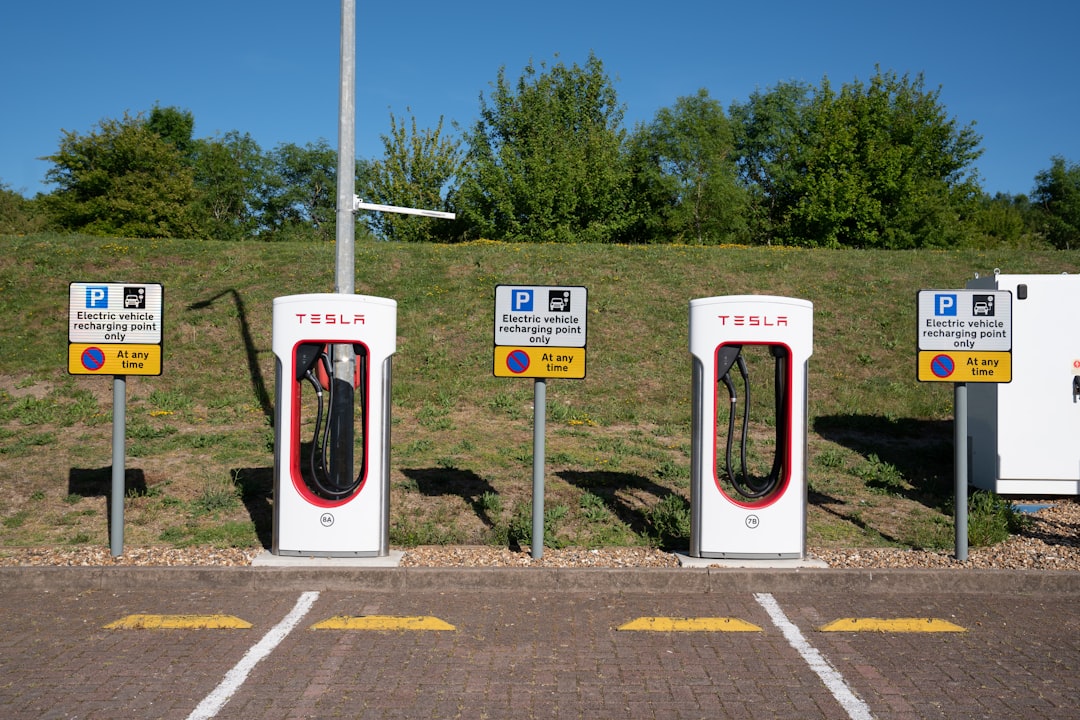
The Iona EV charging network, formed by eight major automakers, plans to reshape the US charging infrastructure by focusing on scale, reliability, and customer experience.
The electric vehicle (EV) market in the United States is expanding rapidly, but until now, charging infrastructure has struggled to keep up with demand. A lack of reliable connectors, broken charging stations, and minimal customer amenities have frustrated EV owners, highlighting the gaps in the current landscape. Recognizing this issue, eight leading automakers have joined forces to create Iona, a unique EV charging network dedicated to improving access and quality of EV charging infrastructure across the U.S.
What Is Iona, and How Did It Begin?
Founded just two years ago, Iona is a collaborative project led by BMW, General Motors, Honda, Hyundai, Kia, Mercedes-Benz, Stellantis, and Toyota. These major automakers came together to form the new charging network, pooling their expertise and capital to address longstanding issues in the EV charging industry. Seth Cutler, the CEO of Iona, described the initiative as a "joint venture" unique in its approach and scale.
Although Iona is a relatively new player, its ambitious goals are already taking shape. The company opened its first office in February 2024 and launched its first charging site only nine months later. Within two years, Iona now operates over 100 live sites across the United States and has contracted close to 5,000 high-powered charging bays. Some 1,500 of these are actively under construction or already available for public use. Iona has cemented its name as the fifth-largest high-power charging network in the U.S., providing chargers with a capacity of 150 kW or more.
Collaborators and Investment
Each of the eight automakers involved has an active role in Iona’s development. While the specific financial investments of each company remain undisclosed, Iona is described as "well-capitalized" to meet its lofty goals. Toyota joined the venture a year after its initial formation, earning the collective nickname "the Elite 8." A management board comprised of executives from each of the partners oversees the operations, with Seth Cutler responsible for executing the day-to-day vision.
Rapid Growth and Challenges
Building a massive EV charging network from the ground up in just two years is no small feat. Iona's beginnings are particularly striking: its first office was in a repurposed Honda building, and within months, the team had relocated to Raleigh, North Carolina. Choosing Raleigh as a headquarters location reflects Iona's strategic balance of affordability, available tech talent, and operational efficiency.
Cutler recounted the complexity of adapting older sites for modern charging needs, including remediating a century-old gas station for its first North Carolina location. Despite these challenges, the company set a new bar in speed and effectiveness.
Quality at Scale: Iona’s Unique Selling Proposition
When many think of EV chargers, Tesla's Supercharger network is usually the benchmark. Iona’s strategic aim, however, is somewhat different. While Tesla has over 38,000 chargers globally (about 9,500 of which are high-power stations), Iona’s focus is on differentiating itself through customer experience and quality at scale. Seth Cutler describes this as both a technical and experiential upgrade—ensuring that EV owners have a smoother, more comfortable stop.
Here’s what sets Iona apart:
- Site Features: Around 30% of Iona’s charging sites are equipped with protective canopies, shielding users from weather. Roughly 10% of locations also offer 24/7 access to amenities like bathrooms.
- Partnerships: Collaborating with other major entities, such as Amazon's "Just Walk Out" retail tech, makes for seamless access to on-the-go shopping.
- Reliability: Unlike many older networks, Iona prioritizes reducing downtime, focusing on charger functionality, and station upkeep.
One significant mention was the continual nightmare of old EV chargers, such as outdated CCS connectors or faulty card readers. Iona hopes to eliminate these headaches entirely by designing sites that last and are straightforward to use.
CCS Vs. NACS: Dual Compatibility
Another hallmark of Iona's strategy is its commitment to accommodating both North American Charging Standard (NACS) and Combined Charging System (CCS) connectors. The move acknowledges the growing support for Tesla's NACS handle, while also catering to the variety of EV models from its automaker partners. Currently, chargers are set up as 60% CCS and 40% NACS, with future adaptability built into the design.
Cutler noted that while some feared compatibility issues or adapter-related frustrations, having both connector types has proven far smoother than anticipated. Equipment reliability is high, and the network can adjust as more EV drivers shift to one standard or the other.
Scaling Ambition: What’s Next?
Iona’s long-term objective is to become the largest and most reliable EV charging network in the country. By 2030, Iona plans to have 30,000 high-powered chargers installed across the United States. While Tesla's Supercharger holds an impressive lead, recent metrics suggest new players like Iona are gaining momentum.
The network is also aiming for a broader market role by directly servicing the fleets of its founding automakers. By ensuring reliability and user-friendliness, Iona represents not just an investment in infrastructure but a rethinking of the role of charging networks in promoting EV adoption.
Bridging Industry Issues
Why did it take until 2024 for a collaborative charging network like Iona to emerge? One possible answer: EV market maturity. Traditional automakers may have initially believed that standalone charging networks—such as Electrify America or EVgo—could handle demand. However, as EV sales skyrocket and gaps in usability persist, automakers have become much more proactive in solving the charging problem themselves.
Cutler summed it up: "The carmakers don’t build or operate gasoline stations, but the EV industry has different needs. It’s time for us to act." Iona signals a shift where automakers are as focused on maintaining an end-to-end EV ecosystem as they are on the vehicles themselves.
Conclusion
Iona's rapid rise in the EV charging world demonstrates that collaboration can reshape an industry's shortcomings. With its focus on quality at scale, dual-charger compatibility, and enhanced customer amenities, Iona offers a more user-friendly solution to EV owners. By combining automaker backing with on-the-ground logistical expertise, Iona looks set to play a transformative role as the EV revolution unfolds.
As it moves forward, the question will not simply be whether Iona can close the gap with Tesla but whether it can redefine what drivers expect from charging stations altogether.
Staff Writer
Nina writes about new car models, EV infrastructure, and transportation policy.
Comments
Loading comments…


