Ohio announces 64 new electric vehicle charging stations
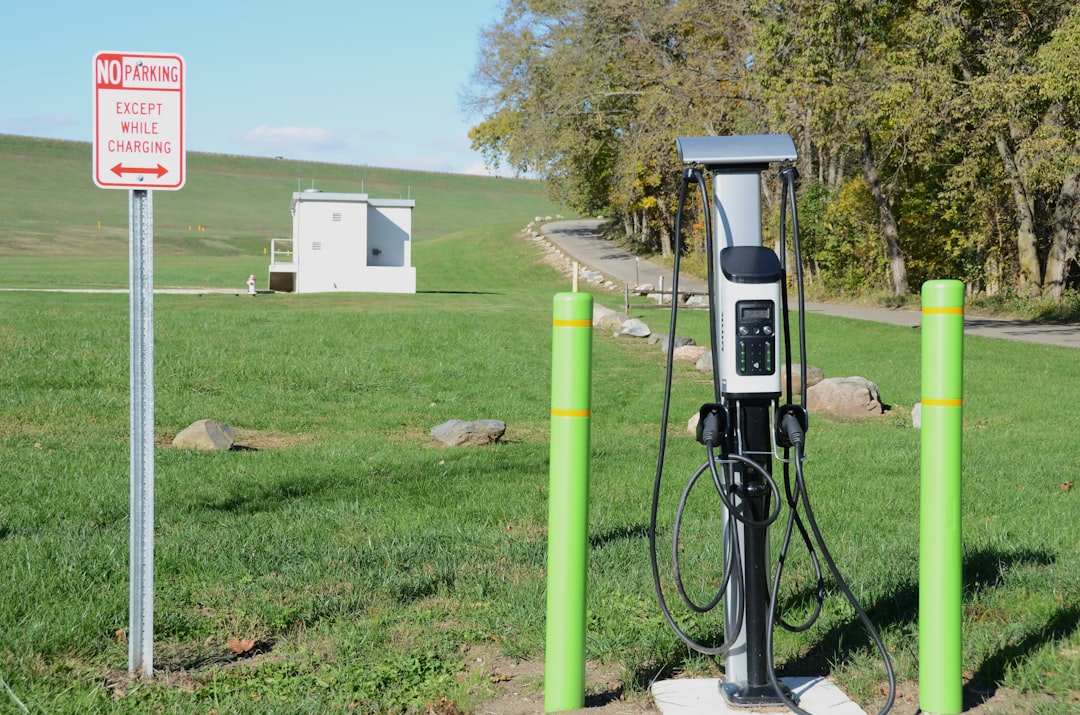
Ohio is set to add 64 electric vehicle charging stations with $51 million in funding. Locations like Finley, Rossford, and Perrysburg are included.
Ohio is making significant steps toward bolstering its electric vehicle (EV) infrastructure. The Ohio Department of Transportation (ODOT) announced the development of 64 new EV charging station locations across the state. This initiative comes with an allocation of $51 million to fund developers tasked with installing and operating these stations. Notably, among the confirmed locations for the stations are Finley, Rossford, and Perrysburg, indicating a spread across both urban and suburban areas.
The funding and development plan aligns with the growing demand for EV infrastructure in the U.S., driven by increasing EV adoption. As automakers expand their electric vehicle offerings and federal incentives encourage consumers to transition to cleaner energy options, access to reliable charging infrastructure will be pivotal for the success of these efforts. While specific timelines for the station rollouts were not disclosed, this funding signals a readiness to prioritize electric vehicle users’ needs statewide.
Filling Ohio’s Infrastructure Gaps
The announcement highlights Ohio's commitment to supporting EV adoption by addressing one of its leading barriers—range anxiety. Range anxiety reflects concerns that EV drivers may face challenges finding functional charging stations outside major metropolitan areas. With the new charging locations, ODOT aims to extend EV accessibility and convenience through a wider geographic reach.
While three of the cities named—Finley, Rossford, and Perrysburg—have been confirmed, the locations of the remaining stations remain unspecified. However, ODOT’s broader plan likely involves strategic placement to bridge gaps in high-traffic corridors and underserved areas. This strategy is crucial for building a seamless statewide network and attracting more drivers to electric vehicles.
Financial Backing for a Greener Future
The $51 million in funding allocated to this project reflects significant investment in sustainable infrastructure. While these funds will be directed toward developers responsible for the stations’ implementation and operation, the financial support underscores ODOT’s recognition of electric vehicles as essential to the state’s environmental and economic objectives.
These stations are expected to attract private partnerships and investments beyond the initial $51 million. Private industry often plays a key role in long-term maintenance and innovation within public EV networks. Similarly, the collaboration between state agencies, developers, and independent contractors could foster innovation in station design, energy efficiency, and user experience.
The Nationwide Shift to EV Infrastructure
Ohio’s announcement isn’t happening in a vacuum. Across the U.S., states are increasingly investing in expanded EV charging capacity as part of broader zero-emission goals. This movement gains further momentum thanks to federal incentives under the Bipartisan Infrastructure Law and projects like the National Electric Vehicle Infrastructure (NEVI) program, which Ohio may be leveraging.
With this development, Ohio joins numerous other states taking strides to meet the Biden administration’s goal of building 500,000 public EV chargers nationwide by 2030. The EV infrastructure race is not just about reducing emissions; it also positions states as attractive locations for electric manufacturing jobs. Companies like Honda, based in Ohio, benefit from local charging capabilities aligning with their EV production goals.
The Road Ahead
Although this announcement is promising, there are still open questions. Without concrete timelines or details on charging speeds and station capabilities, residents and potential EV adopters lack key information to gauge how this rollout directly affects them. High-speed chargers, such as Level 3 DC fast chargers, are preferable for reducing charging times but require more substantial investment and planning. ODOT will need to clarify these specifications as plans advance to encourage public buy-in.
The absence of a firm timeline also reflects the complexity of the project, as developers must navigate permitting, zoning regulations, and supply chain challenges. However, announcing such a large-scale initiative suggests that Ohio is prepared to face these hurdles.
Why This Matters for Drivers
For current and future EV owners, the project could directly improve daily life. More charging stations also reduce congestion at existing ones, encourage long-distance travel in EVs, and provide peace of mind that reliable charging is readily available. These charging stations will not only serve daily commuters but may also become critical for travelers passing through the state.
Contextualizing Ohio’s Progress
While this move is a step forward, Ohio remains in the middle of the pack nationally in terms of EV infrastructure. States like California, New York, and Florida currently lead the way. However, Ohio’s $51 million project could narrow that gap significantly—especially if it opens pathways for future investment.
ODOT’s announcement reflects increasing competition among states to develop EV-friendly infrastructure and take advantage of federal funding opportunities. The next steps in this process will be worth watching, given the broader implications for both Ohio's economy and the national push for sustainability.
Staff Writer
Nina writes about new car models, EV infrastructure, and transportation policy.
Comments
Loading comments…


