Rising gas prices push Maritime drivers to consider electric vehicles
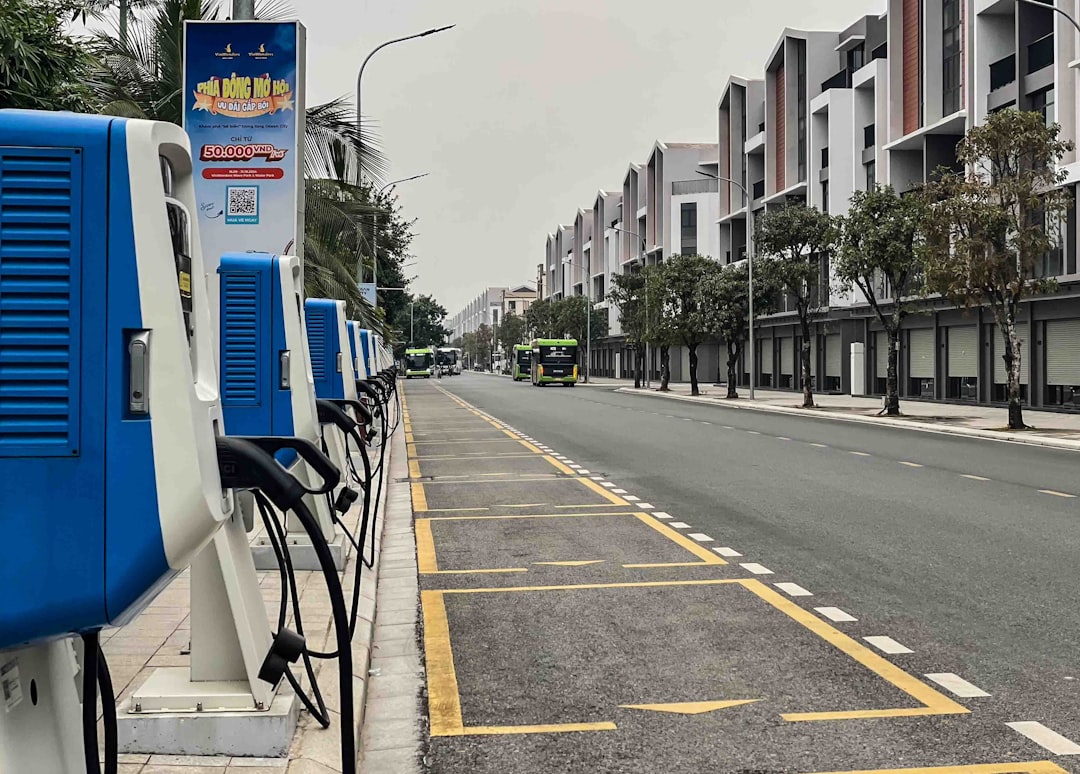
As gas prices continue to climb, some drivers in the Maritimes are exploring the switch to electric vehicles for financial and environmental benefits.
As gas prices in the Maritimes skyrocket due to an ongoing crisis in the Middle East, drivers are facing mounting costs at the pump. This financial pressure has prompted some to explore electric vehicles (EVs) as an alternative mode of transportation. Recent data and anecdotal evidence suggest a growing interest in EV adoption among Canadians in the region, though obstacles like cost and infrastructure remain significant considerations.
Increased interest in electric vehicles
Drivers across the Maritimes are feeling the pinch as fuel prices continue to climb. For many, owning and operating a gas-powered vehicle has become one of the most burdensome household expenses. Some residents are now rethinking their options, contemplating whether an electric vehicle could offer a reprieve from fluctuating fuel costs.
According to a report from Vanessa Wright of CTV News, many potential buyers are drawn to EVs because electricity remains significantly cheaper than gasoline. "When prices go up so much like they have been the last few weeks, that’s usually just that extra incentive," noted a local expert during Wright's segment.
Yet, beyond cost, environmental factors also weigh on consumers’ minds. One Maritime resident explained, "It would be better if all cars were electric... you’re saving money and also helping the environment." However, for some, the financial leap required to purchase an EV poses a considerable barrier.
Cost considerations remain a barrier
While operating an electric vehicle might save money in the long term, the high upfront costs continue to deter many potential buyers. New electric vehicles are frequently priced beyond the budget of average consumers, even with government incentives intended to lessen the financial burden. One local commentator remarked, "When I win the lotto, I’ll buy one," reflecting the perceived financial inaccessibility of these vehicles.
Moreover, while some drivers are eager about EVs, others are still hesitant. The transition isn't just about dollars and cents—there’s a learning curve. Switching from internal combustion to electric technology requires an understanding of charging requirements, maintenance differences, and lifestyle adjustments. A common piece of advice shared on the segment was to seek feedback from current EV owners to better understand the practical implications of ownership.
The pros and cons of EV adoption
Below, we compare the potential benefits and challenges associated with switching to an electric vehicle for those living in the Maritimes.
| Aspect | Advantages | Disadvantages |
|---|---|---|
| Fuel cost | Electricity costs less than gasoline | A lack of widespread fast-charging infrastructure |
| Environmental impact | Reduced emissions contribute to a cleaner environment | The environmental impact of manufacturing batteries |
| Upfront cost | EV purchase incentives available | Higher initial cost compared to internal combustion cars |
| Maintenance | Fewer moving parts result in lower maintenance requirements | Specialized repair facilities may be harder to access |
| Range and charging | Adequate for daily commutes | Long-distance travel remains less convenient |
What’s fueling the shift?
While rising gas prices are undoubtedly a motivator, they’re not the only factor driving interest in EVs. Climate concerns are pushing more Canadians to consider switching to sustainable travel options. The province’s gradual enhancements in charging infrastructure are also helping make the idea of EV ownership less daunting.
However, not all Maritimers are ready to jump on the EV bandwagon. Many residents still lean toward hybrid vehicles, which provide a middle ground by combining traditional engines with electric functionality. This transition step appeals to those who want to reduce reliance on gasoline but are hesitant to go fully electric.
"Hybrids feel like safer ground," said one driver. Another stressed that readiness plays a pivotal role in decisions, noting, "I’m not ready to switch yet."
Tips for potential electric vehicle buyers
EV adoption isn’t a decision that can be made hastily. Here are a few recommendations for those pondering the switch:
- Do your research. Learn about available makes and models and compare them by factors like range, cost, and charging requirements.
- Speak with current EV owners. Local owners can offer insight into what to expect in terms of daily usage and long-term benefits.
- Explore charging infrastructure. For residents of the Maritimes, understanding local charging availability is critical before making the switch.
- Utilize incentives. Government grants and tax credits can help offset purchase costs, so research what’s offered in your province.
The road ahead for EVs in Canada
Although electric vehicles aren't a widespread choice in the Maritimes yet, the trajectory suggests growing adoption over the next decade. Declining battery costs, along with increased availability of charging stations and broader acceptance of EVs, will likely tip the scales. For many consumers, the breaking point may come when gas prices rise to intolerable levels.
Ultimately, while EVs are a compelling option to combat high fuel prices, their adoption will hinge on affordability, infrastructure, and consumer education.
Staff Writer
Mike covers electric vehicles, autonomous driving, and the automotive industry.
Comments
Loading comments…


