Tesla Full Self-Driving Faces Regulatory Challenges in Europe and the U.S.
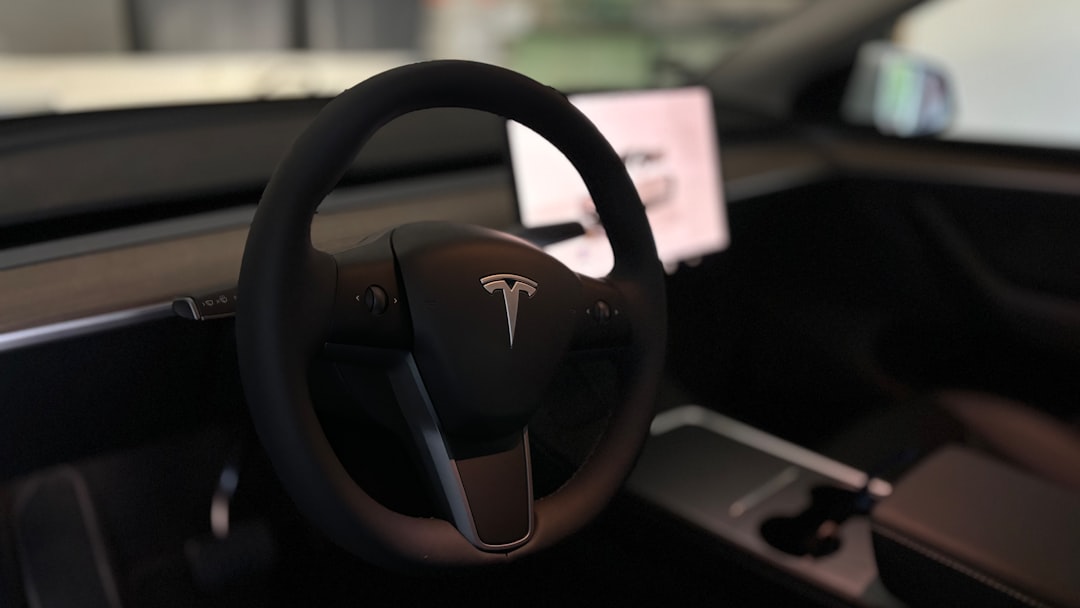
Tesla's Full Self-Driving approval in the Netherlands faces delays, while U.S. authorities escalate their investigation into FSD's safety concerns.
Tesla's Full Self-Driving (FSD) system remains a source of both excitement and frustration for its community of enthusiasts and customers. In the Netherlands, the approval process for Tesla’s FSD has dragged on for 18 months, while in the United States, safety concerns regarding the system's performance have led to escalated investigations by the National Highway Traffic Safety Administration (NHTSA). With developments on both sides of the Atlantic, Tesla finds itself stuck in regulatory limbo.
Tesla's Push for FSD Approval in the Netherlands
The Dutch regulator RDW recently issued a cautious response to Tesla’s ongoing push for the approval of its Full Self-Driving driver assistance system in the Netherlands. Tesla had announced via its social media platforms that it was nearing the final stages of the FSD approval process, even suggesting that approval could come by April 10. However, RDW did not confirm this date, and its statement emphasized the priority of "road safety" during this review.
Eighteen Months of Rigorous Testing
Tesla began its collaboration with RDW approximately 18 months ago. The process included a joint intensive testing program to examine FSD’s roadworthiness and safety. While such a timeline may seem excessive to some, RDW has cited the complexity of evaluating autonomous driving systems.
During the evaluation period, Tesla has faced criticism for its habit of promoting specific approval dates, which ultimately fosters unrealistic expectations within its community. The RDW clarified that it does not typically comment on ongoing applications, but the media frenzy around Tesla’s announcements prompted it to address the situation. Regulatory agencies in Europe, the RDW included, prioritize thorough evaluations over rapid approvals.
Why Approval Remains Elusive
The RDW has reiterated that it is analyzing all data and test findings before making a decision. The debate about the lengthy approval process in the EU also raises questions as to whether such delays are due to the challenging nature of autonomous driving systems or simply the nature of European regulations.
Some Tesla supporters have even questioned whether Tesla's public marketing strategy is beneficial. By frequently suggesting imminent milestones, the company risks frustrating customers and regulators alike when dates are missed.
NHTSA’s Investigation in the U.S.
While Tesla grapples with approvals in Europe, scrutiny is intensifying in its home market. The NHTSA recently escalated its investigation into Tesla’s FSD system, transforming a preliminary evaluation into a “technical analysis.” This deep-dive will include approximately 3.2 million vehicles across various Tesla models equipped with FSD. The agency’s focus appears to be on how the system performs in low-visibility conditions, among other safety concerns.
Potential Implications of the Investigation
Although the upgrade to a technical analysis does not guarantee a recall, it is a step closer to compelling Tesla to make changes via an over-the-air software update or, in a worst-case scenario, a physical recall. What makes this development more notable is that the vehicles being investigated make up a significant proportion of Tesla’s U.S. fleet.
The results of this investigation could influence other regulatory bodies, including RDW, which might look to the findings as it makes its own determination. In particular, the RDW is likely monitoring how U.S. regulators are approaching FSD performance and safety.
Tesla’s Community Reacts
Tesla’s enthusiastic customer base is feeling the wear and tear of these repeated cycles of hope and disappointment. For them, the promise of FSD approval holds significant meaning, but the lack of concrete results over the past year and a half has led to a growing sense of skepticism. Each new announcement by Tesla seems to raise the question of whether the company’s marketing tactics are doing more harm than good by building anticipation only to leave it unfulfilled.
Key Takeaways and the Road Ahead
For Tesla, the delays in Europe and increased scrutiny in the U.S. highlight the ongoing challenges of gaining regulatory approval for advanced autonomous systems. Here’s a recap:
- The RDW in the Netherlands emphasizes road safety above all else, with no confirmed timeline for approval.
- Tesla’s 18-month regulatory journey in Europe reflects both the high stakes and complexities of FSD deployment.
- The NHTSA investigation in the U.S. affects 3.2 million Tesla vehicles, focusing on safety concerns in certain conditions.
- Tesla’s community remains engaged but frustrated by missed deadlines and unclear outcomes.
Regulatory approval, whether in Europe or elsewhere, is not just a technical hurdle but also a test of trust—both for regulators and consumers. For Tesla to move forward effectively, aligning its public communications with realistic expectations might prove as vital as completing the technological and safety requirements.
FAQs
Why is Tesla's FSD not yet approved in the Netherlands? The RDW’s process is focused on ensuring road safety and engaging in a thorough analysis of test data. Tesla and RDW have been working together for 18 months on this evaluation.
What is the new development with the NHTSA and Tesla in the U.S.? The NHTSA has escalated its investigation into Tesla FSD’s safety into a technical analysis, focusing on its performance in low-visibility conditions. This could lead to further scrutiny or even recalls.
When will approval decisions be made? While Tesla suggested April 10 for European approval, RDW has not confirmed this date. For the NHTSA, ongoing investigations do not yet have a set timeline.
How do these developments impact Tesla owners? For now, Tesla owners are waiting for clarity on both fronts. Their vehicles remain operational, but the future of FSD’s capabilities depends on regulatory outcomes.
Staff Writer
Nina writes about new car models, EV infrastructure, and transportation policy.
Comments
Loading comments…


