Tesla Introduces a Car Without a Steering Wheel: What You Need to Know
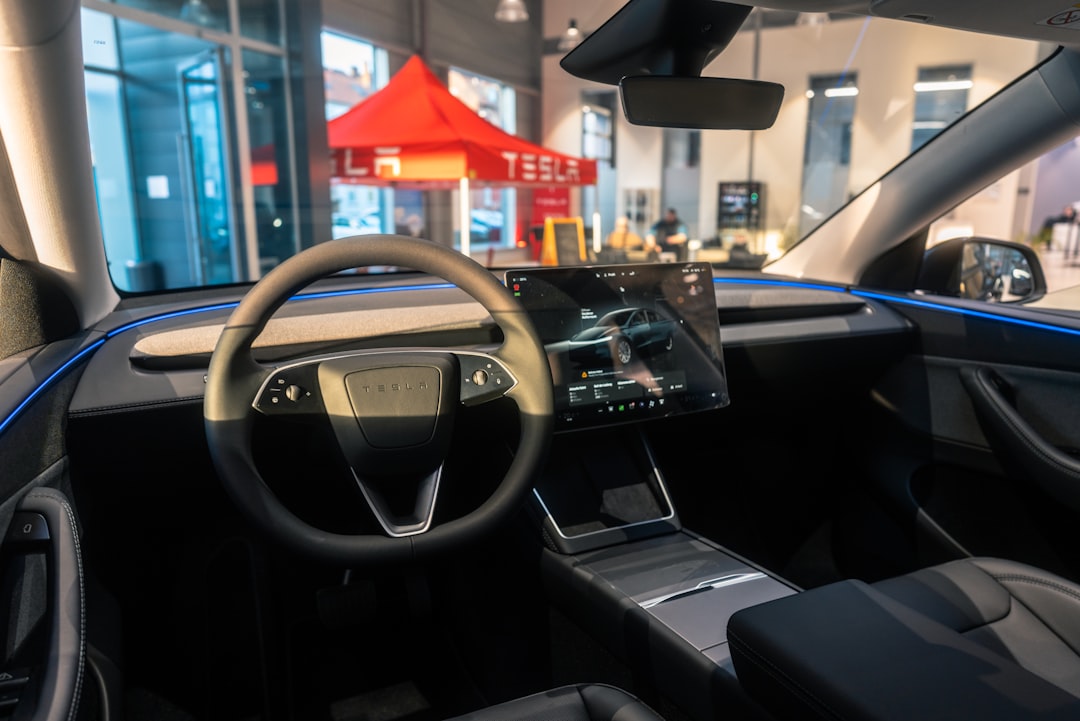
Tesla unveils its new Cyber Cab, a fully autonomous vehicle with no steering wheel or pedals. Here's how it could change ride-sharing and car ownership.
Tesla Unveils the Cyber Cab: A Car Without a Steering Wheel
Tesla is pushing the boundaries of autonomous driving with the introduction of the Cyber Cab, a fully self-driving vehicle designed without a steering wheel, pedals, or even side mirrors. The car, which is currently in production and set for mass production next month, represents a significant evolution in the automotive industry. But along with its futuristic design, the Cyber Cab raises significant regulatory, safety, and practical questions.
A Ride-Sharing Revolution in the Making
Tesla’s Cyber Cab could be the cornerstone of a new ride-sharing and ride-hailing fleet that the company aims to roll out. Tesla is betting big on this vehicle to compete with industry giants Uber and Lyft. The Cyber Cab will also be marketed to taxi fleet operators and individuals seeking fully autonomous vehicles. CEO Elon Musk has set an ambitious target for the car, hoping to sell 2 million units annually at a starting price below $30,000.
By removing the steering wheel and pedals, Tesla is signaling its confidence in its self-driving technology. The vehicle operates entirely autonomously, which means it is not designed to be manually driven. However, this design creates significant challenges when the car encounters obstacles or emergency situations. Without traditional controls, resolving such issues might require external assistance, such as a tow truck.
Federal Regulations Pose a Challenge
While the Cyber Cab’s design is innovative, it clashes with existing U.S. Federal Motor Vehicle Safety Standards. Federal regulations mandate that cars must have basic control interfaces like steering wheels and pedals to be street-legal. Additionally, cars must have side mirrors. As it stands, the Cyber Cab’s design does not comply with these requirements.
The U.S. National Highway Traffic Safety Administration (NHTSA) has the authority to grant exemptions to such regulations. However, these exemptions are capped at 2,500 vehicles annually, a far cry from Tesla’s ambitious sales target. According to reports from the Wall Street Journal, Tesla has not yet applied for an exemption, even though the car’s production is already underway.
Can Tesla Navigate the Regulatory Roadblocks?
The lack of an exemption application raises questions about Tesla’s strategy. Will the company attempt to challenge existing regulations, or is it betting on governmental leniency, given its significant economic and technological influence? Elon Musk’s close working relationship with federal agencies might also lead some to speculate that Tesla is expecting regulatory flexibility.
The NHTSA has been known to adapt its rules to accommodate new technologies, but relaxing safety standards for millions of vehicles may be a stretch. Critics argue that rolling back safety measures for self-driving cars without proven national-scale reliability could have serious consequences.
Practical Hurdles for the Cyber Cab
The promise of a $30,000 steering wheel-free car is certainly enticing, but several practical questions linger:
- Reliability in Emergency Situations: Without traditional controls, how will passengers respond if the car malfunctions? Relying solely on autonomous systems raises the stakes for seamless operation.
- Public Acceptance: Even in areas like Los Angeles, where autonomous vehicles such as Waymo’s fleets are becoming more common, many people remain skeptical about riding in cars without manual controls.
- Maintenance and Repairs: Fully autonomous vehicles are bound to require specialized maintenance. Who will be responsible for repairs in the event of a system failure?
Is the Market Ready for the Cyber Cab?
Tesla is attempting to lead the charge into a future where cars are truly driverless, but this vision depends on overcoming significant obstacles. Public acceptance, regulatory approval, and technological reliability are key hurdles. There’s also the matter of competition; companies like Waymo and Cruise are already operating autonomous fleets, albeit in limited markets.
If Tesla can deliver the promised $30,000 price point and secure the necessary regulatory green lights, the Cyber Cab could be a disruptor in both the ride-sharing and personal vehicle markets. However, the current regulatory limits on sales and the absence of a government exemption leave much uncertain about the car's immediate future.
Conclusion
The Tesla Cyber Cab is an audacious attempt to redefine automotive and ride-sharing experiences. With no steering wheel, pedals, or side mirrors, it leans entirely on advancements in autonomous driving. While the vehicle is impressive in concept, significant regulatory and safety hurdles remain. Whether Tesla can clear these hurdles and bring the Cyber Cab to the mainstream remains to be seen, but the vehicle has sparked an important conversation about the future of transportation.
FAQ
1. What is the Tesla Cyber Cab? The Cyber Cab is Tesla’s new autonomous vehicle, designed without a steering wheel, pedals, or side mirrors. Its fully self-driving technology eliminates the need for manual control.
2. What is the starting price for the Cyber Cab? Tesla aims to sell the Cyber Cab for under $30,000, though achieving this price point remains a question.
3. Is the Tesla Cyber Cab legal in the U.S.? Current U.S. regulations require cars to have steering wheels, pedals, and side mirrors. Tesla would need an exemption from the NHTSA to sell the Cyber Cab in its current form.
4. When will Tesla begin selling the Cyber Cab? Tesla plans to start mass-producing the Cyber Cab next month, with sales anticipated shortly afterward, depending on regulatory approval.
5. Who is the target market for the Cyber Cab? Tesla intends to market the Cyber Cab to ride-sharing fleets, taxi operators, and individuals seeking a fully autonomous car.
Staff Writer
Mike covers electric vehicles, autonomous driving, and the automotive industry.
Comments
Loading comments…


