Tesla Stock Outlook: Impact of Geopolitical Tensions and Market Predictions
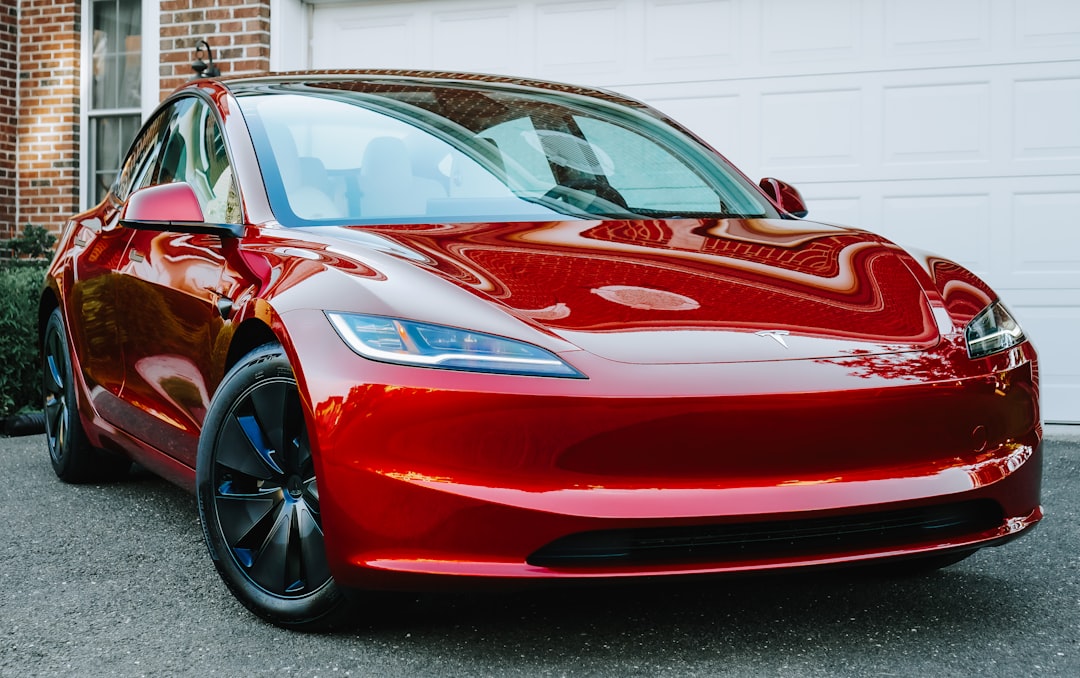
Tesla stock faces market volatility driven by geopolitical tensions and economic concerns. Positive catalysts could trigger a rebound soon.
Tesla’s stock has faced significant market turbulence recently, driven by escalating geopolitical concerns and broader economic factors. With Tesla’s shares seeing a 3% decline on Friday, followed by an after-hours rebound, investors are keen to understand what’s next for the electric vehicle giant. Key takeaways from recent developments suggest that while short-term volatility persists, there could be upward momentum in the near future as markets recalibrate.
Geopolitical Factors at Play
The ongoing conflict in the Middle East has been a dominant factor shaping market sentiment over the past few weeks. Former President Donald Trump’s comments on Truth Social hinted at potential de-escalation, stating, “We’re getting very close to meeting our objectives as we consider winding down our great military efforts in the Middle East.” This has sparked speculation about when the conflict might conclude and how that could impact global markets.
Currently, Wall Street anticipates a prolonged duration for the conflict, with assessments incorporating higher oil prices extending through 2027. The uncertainty has led to pricing in various outcomes, ranging from Federal Reserve rate hikes to heightened recession risks. However, if the conflict were to resolve sooner than expected, markets might quickly adjust by tapering inflation fears and reassessing the economic outlook.
The Broader Market Impact
Recent market trends reveal a concentrated sell-off in risk assets, including tech stocks, cryptocurrencies, and semiconductors. This downturn has been particularly intense, with sectors like consumer cyclicals and technology posting significant losses. Conversely, areas such as energy and utilities have outperformed amid heightened geopolitical uncertainty.
- Consumer cyclicals: Down 11% over the past three months
- Technology: Down approximately 2.5%
- Energy: Up an impressive 35% during the same period
Tesla, as a key player within consumer cyclicals, has mirrored this sectoral trend. Its performance has been weighed down by broader market fears, overshadowing positive company developments like the anticipated launch of Tesla’s robo-taxi operations in cities such as Dallas, Orlando, and Las Vegas.
A Potential Turning Point
The presenter of the video suggests that markets may be at or near a bottom, with a rebound possible if the conflict in the Middle East shows signs of resolution. Historically, the S&P 500 has bottomed out roughly 15 trading days following the onset of a geopolitical event. With this timeline in mind, the current downward trajectory in stocks could soon reverse.
Key triggers for a rally include:
- De-escalation in the Middle East conflict: This could alleviate fears of prolonged supply disruptions in the energy market, thus reducing inflationary pressures.
- Federal Reserve policy recalibration: Markets have recently swung from expecting rate cuts in 2026 to pricing in imminent rate hikes. Resolution of the conflict could restore expectations for rate cuts, boosting investor confidence.
- Positive earnings reports and sector rotation: Underperforming sectors like consumer cyclicals and technology could lead the charge in a market rebound.
Tesla's Role in the Recovery
As the second-largest weighting within the consumer cyclical sector, Tesla stands to benefit significantly from a broader market recovery. A reversal in sentiment toward risk assets could act as a strong tailwind for Tesla’s stock performance. While economic headwinds such as potential interest rate hikes loom, the resolution of the conflict could shift market dynamics in Tesla’s favor.
In the worst-case scenario, if markets experience another leg lower due to unforeseen developments, Tesla’s stock might dip further, potentially into the $330 range. However, long-term investors might view this as an opportunity to accumulate shares at a discount, based on optimistic projections for the company’s performance in the latter half of the year.
Predictions for Tesla Stock
Looking ahead, the video presenter predicts that Tesla’s stock could reach $900 by the end of the year, with a more immediate target of $500 to $600 by midyear. Factors supporting this optimistic outlook include:
- Post-conflict rally: Consumer cyclicals are expected to outperform as investor sentiment improves.
- Strong fundamentals: Tesla’s leadership in the EV market and continued innovation positions it well for long-term growth.
- Seasonal trends: Historically, stocks experience an aggressive rally following midterm elections, which could further boost Tesla’s performance.
Practical Takeaways for Investors
- Monitor geopolitical developments: Keep a close eye on updates regarding the Middle East conflict. A resolution could serve as a major catalyst for Tesla and the broader market.
- Assess sector trends: Understand how sector rotation may impact Tesla’s stock. A shift away from energy and utilities to consumer cyclicals and technology could provide tailwinds.
- Focus on long-term potential: While short-term volatility remains, Tesla’s strategic initiatives and market leadership suggest a favorable outlook for patient investors.
- Be prepared for further dips: If market fears escalate temporarily, it may create additional buying opportunities.
Conclusion
Tesla’s stock is navigating a complex landscape shaped by geopolitical tensions, economic uncertainties, and sector-specific challenges. However, key indicators suggest that the current cycle of fear and pessimism could give way to optimism sooner than Wall Street anticipates. For Tesla, this shift could translate into significant gains as market dynamics improve. Investors should remain vigilant, focusing on long-term opportunities while preparing for potential short-term market fluctuations.
What are your thoughts on Tesla’s outlook? Share your perspective in the comments below.
Staff Writer
Mike covers electric vehicles, autonomous driving, and the automotive industry.
Comments
Loading comments…


