Tesla Stock vs. Robo Taxi Investment: Which Offers Greater ROI?
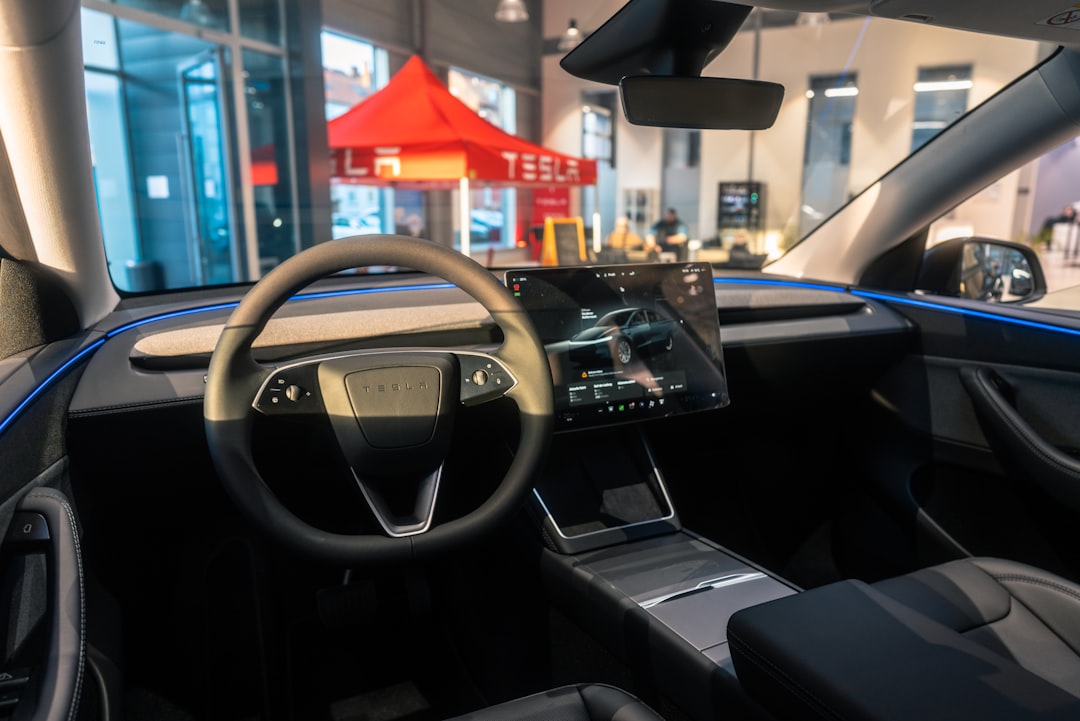
Tesla's robo taxi and Optimus projects could redefine its valuation, posing the question: is it better to own Tesla stock or invest in the upcoming Cyber Cab network?
Tesla has long been a hot topic for investors, but the automaker’s forward-thinking ventures have taken the spotlight recently. With projects like the robo taxi network and Optimus humanoid robots, Tesla investors are reconsidering whether the traditional stock market is the best route to ROI. Alternatively, Tesla's vision for new streams of income—such as through its Cyber Cab—presents intriguing opportunities for direct investment. Let’s break down the numbers and ask the big question: stock or asset?
Tesla’s Business Today: A Snapshot
Tesla’s current revenue heavily comes from its global factories and vehicle sales. By 2025, projections show Tesla's annual revenue by factory:
- Giga Shanghai: $25-27 billion, as the most productive manufacturing site.
- Fremont Factory: Around $20 billion, poised for future growth with Optimus production.
- Giga Texas: $15 billion, scaling up its operations for both vehicles and other projects.
- Global Service Network: Approximately $14 billion, supporting supercharger and vehicle maintenance services globally.
These numbers might seem significant now, but they pale in comparison to what Tesla is aiming to achieve with Optimus and robo taxis. According to financial analyst and wealth advisor Cern Basher, Optimus and robo taxis have the potential to dwarf current revenue models.
The Massive Potential of Optimus and Robo Taxis
Tesla's Optimus and robo taxi plans are expected to radically transform the company’s financial landscape. Consider what happens when Tesla redirects production capacity:
- Transitioning from the Model S and X lines, which generate $5 billion annually, to manufacturing 1 million Optimus robots annually could increase revenue to $75 billion (even at a conservative sales price of $75,000 per unit).
- Scaling up to 10 million Optimus units per year at Giga Texas could generate $750 billion annually. Leasing these robots instead of selling them would push profitability even higher.
Robo taxis also present a massive revenue opportunity. For instance, a future with 10 million Tesla robo taxis is estimated to bring in revenue vastly exceeding current metrics.
The Stock Market Perspective: Why Tesla’s PE Ratio is Misleading
Tesla’s high price-to-earnings (PE) ratio often makes it look overpriced to traditional investors. Currently, Tesla’s forward PE ratio for the next 12 months hovers around 200—a figure many see as staggering. However, this perspective overlooks Tesla’s long-term growth potential.
Here’s how it works: Traditional PE ratios consider only short-term earnings. Tesla, on the other hand, is on track to achieve exponential growth in earnings over the next 5-10 years. By 2035, if Tesla meets expectations for Optimus and robo taxis, today’s PE values could drop significantly, reflecting a forward valuation of Tesla’s brighter future. Analyst Cern Basher notes that future cash flows from Tesla's ventures could push its share price past $3,000.
Comparison: Traditional PE vs. Future PE
| Metric | Tesla Today PE | Tesla Future PE (Expected) |
|---|---|---|
| Revenue Projections | $400/share | Up to $3,000/share |
| Time Horizon | 1-2 years | 5+ years |
| Growth Factor | Stagnant | Exponential growth |
This high future valuation depends heavily on Tesla achieving success in these futuristic ventures, particularly the robo taxi network.
Cyber Cab: Tesla's New Asset Class?
Rather than just investing in Tesla stock, the Cyber Cab introduces a new direct investment route. Tesla envisions “Cyber Cabs” as part of its autonomous robo taxi fleet, allowing individuals to buy in and earn steady income from the network. Although the plan is still in developmental stages, investors are curious about two key questions:
- How much would a Cyber Cab cost to buy?
- What would the net income look like for Cyber Cab owners participating in Tesla’s network?
Robo Taxi Ramp-Up: Scenarios and Projections
Tesla's growth in the robo taxi sector is already under way, albeit gradually. The early rollout of robo taxi prototypes in Austin and the Bay Area has shown slow but measurable progress. Fleet size updates suggest the following:
- Austin Fleet: Currently at 92 supervised vehicles.
- Bay Area Fleet: Ramp to 385 vehicles, showcasing more aggressive scaling versus Austin.
Tesla might expand its fleet to cities like Dallas in the coming quarters, gradually building each city's capacity. For instance, at a conservative estimate:
- Launching in a new city would start with 200 vehicles in seven months (supervised).
- Scaling eventually to 1,000 vehicles per city over several years.
Such slow but consistent scaling shows Tesla’s methodical approach to ensure the technology is safe and market-ready.
Comparing Stock Ownership to Cyber Cab Income
One important aspect to consider is direct revenue generation versus value appreciation. Here's a basic comparison:
Stock Ownership:
- Upside: Long-term exponential growth in share price if Tesla succeeds with robo taxis and Optimus.
- Downside: Sensitive to quarterly delays or missed earnings reports.
Cyber Cab Ownership:
- Upside: Passive income via lease or ride shares directly linked to Tesla’s autonomous network.
- Downside: Initial costs, maintenance, uncertain ramp timelines.
Tesla envisions the Cyber Cab as creating a new asset class. For passive income seekers, owning part of a robo taxi fleet might trump speculative stock trading.
Key Takeaways
- Stock Growth Potential: For long-term investors, Tesla stock remains attractive due to its exponential growth potential from future revenue streams like Optimus and robo taxis.
- Cyber Cab Prospect: For those interested in consistent, passive income, Cyber Cabs could be a game-changer—though operational uncertainties remain.
- Robo Taxi Expansion: Tesla's cautious rollout, while slow, highlights safety and scalability as priorities. Increased deployment in urban hubs will be the real inflection point.
Investors must weigh whether Tesla's future vision aligns with their own financial goals. Stockholders are betting on high future valuations, whereas Cyber Cab stakeholders could experience tangible monthly income.
Staff Writer
Nina writes about new car models, EV infrastructure, and transportation policy.
Comments
Loading comments…


