Tesla's Full Self-Driving System Under Expanded Federal Investigation
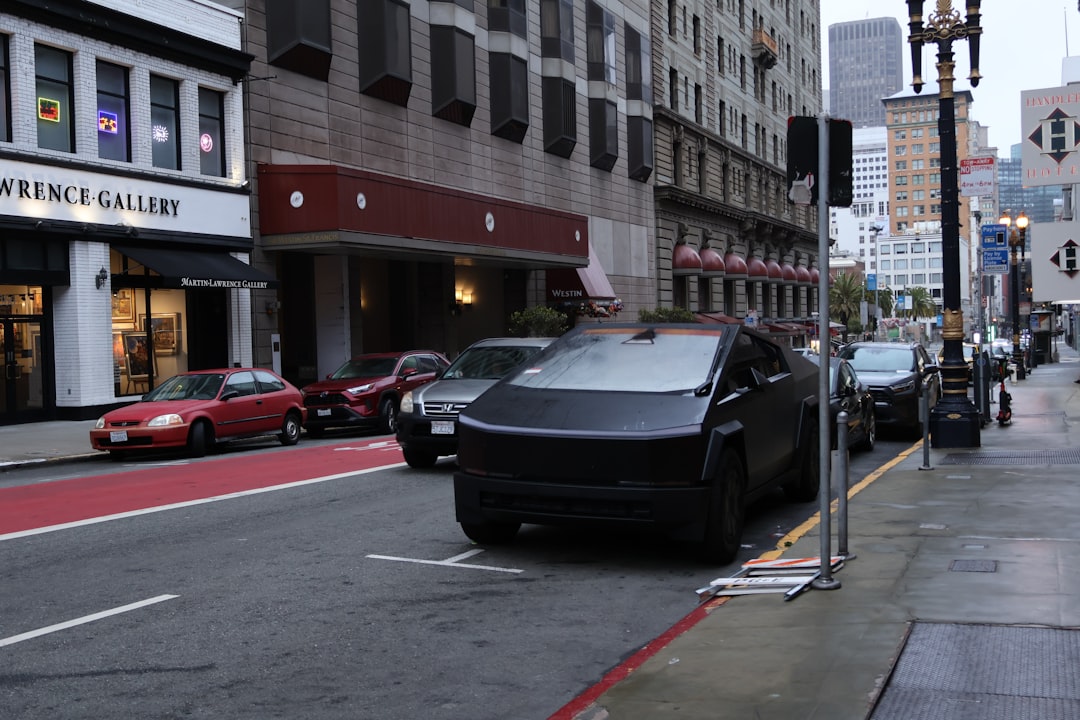
Tesla's Full Self-Driving system, used in over 3.2 million vehicles, is facing intensified scrutiny after crashes raise performance concerns.
Federal auto regulators have widened their investigation into Tesla's Full Self-Driving (FSD) system, a technology powering millions of vehicles and a key component of the company's autonomous vehicle efforts. According to recent reports, the probe now affects over 3.2 million cars worldwide. This intensified scrutiny arises after several incidents linked to the system's performance, including crashes in low visibility conditions and one fatal collision involving a pedestrian.
Why Tesla's Full Self-Driving System Is Under Scrutiny
The National Highway Traffic Safety Administration (NHTSA) is spearheading the investigation into Tesla's FSD system. Specific concerns have arisen about how the system performs in real-world scenarios, especially during challenging conditions like poor visibility. A fatal crash involving a pedestrian reportedly played a significant role in prompting federal regulators to focus more closely on the safety of Tesla’s self-driving technology.
Tesla's FSD system, designed to enable vehicles to navigate roads autonomously with minimal human intervention, has been a focal point for both innovation and criticism. While it represents a step toward fully autonomous driving, critics have argued that the technology’s limitations can result in severe safety hazards.
The Role of FSD in Tesla's Robotaxi Service
Tesla's FSD software isn’t limited to privately-owned vehicles. It also serves as the backbone of the company's robotaxi service, which has been operating in limited capacities since its launch. In Austin, Texas, Tesla runs a small fleet of under 40 robotaxis equipped with the FSD system. These vehicles typically come with human safety monitors to oversee their operations. Even with these precautions, the service has been involved in 15 reported crashes since its debut in June.
The spate of incidents surrounding Tesla’s robotaxis is a major point of concern for regulators. The combination of a relatively small fleet and numerous crashes has amplified questions about the reliability of Tesla's autonomous technology in both individual and commercial applications.
Previous and Current Investigations into Tesla Technologies
This expanded probe is not the first time Tesla's FSD and driver-assistance technologies have come under regulatory scrutiny. The company has faced criticism and lawsuits over how it markets—and perhaps overstates—the capabilities of its autonomous driving systems. Advertisements for FSD often suggest near-complete autonomy, which may not align with current technological realities.
NHTSA’s broader investigation joins ongoing concerns regarding Tesla's Autopilot system, a feature that assists drivers but requires their full attention on the road. Critics argue that Tesla's systems can lead drivers to become over-reliant, creating dangerous situations when human intervention is delayed.
Specific Case of a Fatality
One of the more sobering incidents under review is the pedestrian fatality linked to Tesla’s self-driving feature. Though details surrounding the crash remain sparse, it highlights the potential stakes associated with advanced driver-assistance programs. This incident represents the combined challenges of urban environments like Austin and the limits of current autonomous vehicle systems.
The Implications for Tesla and the Broader Auto Industry
Tesla does not operate in a vacuum; challenges with its self-driving technologies cast a spotlight on the feasibility of autonomous systems across the automotive industry. Federal investigations such as this one could lead to new regulations aimed at improving the safety of semi-autonomous and autonomous driving systems. Automakers may face increased pressure to ensure their technology is both effective and transparent in its limitations.
Furthermore, Tesla’s leadership in the electric and autonomous vehicle sectors means the company’s legal and regulatory troubles can set a precedent for its competitors. While Elon Musk and his team have largely championed FSD as a transformative technology, public trust and investor confidence could waver if investigations continue to reveal substantial issues.
What Happens Next?
The deepened federal probe could result in several outcomes, ranging from fines and recalls to legally mandated software improvements. The NHTSA’s findings may also push Tesla to revise its marketing materials to ensure they accurately reflect the system's capabilities and limitations.
In the meantime, Tesla drivers and passengers in robotaxis should remain alert and cautious. Despite the promise of Full Self-Driving, it remains clear that the technology is far from flawless, particularly in real-world scenarios involving unpredictable variables like inclement weather or busy urban streets.
Key Takeaways for Consumers
- Be Aware of FSD Limitations: Tesla’s Full Self-Driving system is not foolproof and requires human oversight. Drivers need to remain vigilant and prepared to take control at all times.
- Understand the Regulatory Landscape: Ongoing investigations highlight the evolving nature of autonomous driving regulations, which could impact Tesla’s operations and the automotive industry as a whole.
- Expect Further Updates: With the NHTSA’s intensifying scrutiny, future data or outcomes from the investigation may solidify what Tesla and consumers must change.
Tesla has repeatedly emphasized that the path to fully autonomous driving is complex, and the controversies surrounding its self-driving technology reinforce the importance of balancing innovation with accountability. For now, regulators, consumers, and the automotive industry will be closely following any new developments from this expanded probe.
Staff Writer
Mike covers electric vehicles, autonomous driving, and the automotive industry.
Comments
Loading comments…


