The impact of oil pricing on EV and gas vehicle owners in South Korea
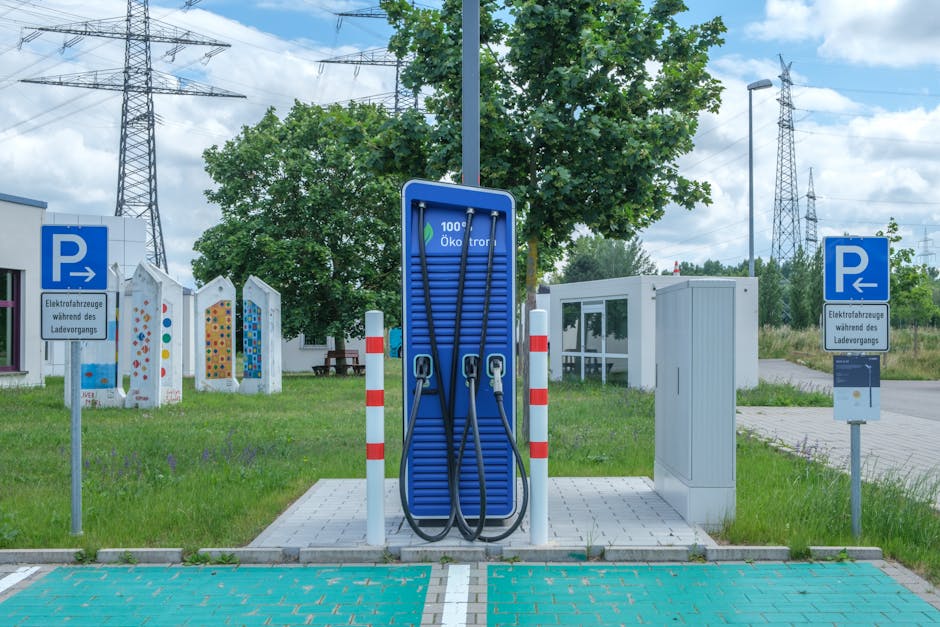
Rising oil prices are affecting South Korean drivers differently, with EV owners less impacted as the gap between WTI and Dubai crude widens.
Oil prices are once again in focus globally, but the situation in South Korea is particularly nuanced. While many discuss oil price shifts based on the West Texas Intermediate (WTI) benchmark, South Korea sources most of its crude oil from Dubai. This creates a unique dynamic for the country as fluctuations in the Dubai crude price have a more direct impact than movements in WTI prices.
WTI vs Dubai crude: Understanding the difference
The WTI benchmark is often used in media reports, but South Korea’s oil imports are predominantly tied to Dubai crude. Before the current geopolitical tensions, the price gap between WTI and Dubai crude was approximately $2 per barrel, with Dubai crude being slightly more expensive. However, since the onset of recent conflicts, the spread has widened significantly to $12 per barrel. This has led to a sharper increase in effective oil prices for South Korea compared to nations more reliant on WTI.
This shift in the price gap has ripple effects throughout the economy. It affects everything from consumer fuel prices to inflation rates, given the crucial role energy costs play in any economy. For South Korean drivers, this translates immediately to higher costs at the gas station.
How rising fuel costs impact gas vehicle owners
Gasoline car owners in South Korea are hit directly by rising oil prices. Gas stations tend to adjust their prices promptly following significant changes in global crude prices. As such, with the post-war increase in Dubai crude prices, South Korean gas station prices have surged more markedly. This phenomenon is felt acutely during geopolitical upheavals or supply chain disruptions.
When prompted with the question of how people typically react to such price hikes, the conversation humorously noted that drivers rush to fill up their tanks at the first sign of a price increase. This behavior underscores the sensitivity of gas vehicle owners to oil price volatility and its immediate impact on their wallets.
EV owners: A different reality
Electric vehicle (EV) owners, however, face a different economic reality. EVs do not run on gasoline or diesel and are thus insulated from the immediate swings in oil prices. For instance, one participant in the discussion revealed that they drove an EV, humorously brushing off concerns about rising fuel costs.
Yet, it is important to note that electricity generation in South Korea still relies significantly on fossil fuels, including oil. Therefore, while EV owners might not feel an immediate impact at the pump, broader energy market dynamics and potential rises in electricity costs could eventually affect them indirectly.
Practical takeaways for South Korean drivers
- Gas Car Owners: Stay alert to price signals and consider strategies to reduce fuel consumption, such as consolidating trips or carpooling. Monitoring the WTI-Dubai price spread can provide an early warning for potential price hikes.
- EV Owners: While less vulnerable to oil price shifts, EV drivers should remain informed about trends in electricity costs, especially if fossil fuels continue to play a significant role in energy generation.
- Future Transition: The rising spread between Dubai and WTI crude underscores the importance of South Korea accelerating its shift to renewable energy. Reducing dependence on imported oil could lessen the country’s exposure to external price shocks.
Conclusion
The widening gap between WTI and Dubai crude oil prices has a significant impact on South Korean drivers—gasoline car owners bear the brunt of these changes, while EV owners are relatively sheltered from immediate price hikes. However, with South Korea’s energy infrastructure still partially reliant on fossil fuels, the transition to renewables and energy diversification remains critical. For now, drivers, whether they use gas or electric vehicles, should pay close attention to energy market dynamics to make informed decisions about their transportation needs.
Staff Writer
Mike covers electric vehicles, autonomous driving, and the automotive industry.
Comments
Loading comments…


